
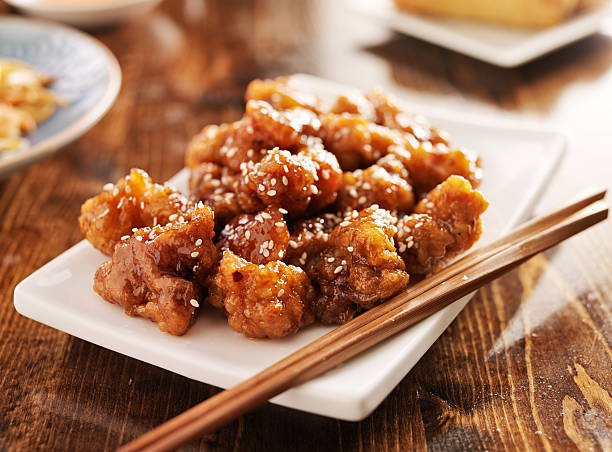
Sesame chicken is one of the most popular dishes found in Chinese-American cuisine. It combines tender chunks of battered and fried chicken enveloped in a glossy, sweet-savory sauce, garnished generously with toasted sesame seeds. This dish has become an iconic staple at Chinese restaurants across the United States and has made significant cultural and culinary impacts beyond its origins. In this comprehensive article, we dive into the history, explore useful tips for preparing and enjoying sesame chicken, examine various regional and contemporary variations, and discuss why people love this dish so much.
—
The Historical Roots of Sesame Chicken
# Origins in Chinese-American Cuisine
Sesame chicken as it is known today largely evolved in the United States rather than in China. While traditional Chinese cooking has long utilized sesame seeds and chicken in numerous forms, the sweet and sticky glaze characteristic of American sesame chicken is an adaptation to local tastes and ingredients.

Chinese immigration to the United States in the 19th and early 20th centuries laid the foundation for American-Chinese cuisine. Early immigrants originally made dishes that reminded them of home, but they soon had to adapt to the availability of ingredients and the palates of American customers. This gave birth to many dishes now recognized as staples such as General Tso’s chicken, orange chicken, and sesame chicken.
Combining fried chicken with a sauce that is sweet, tangy, and fragrant with sesame led to the creation of the sesame chicken we know today. It is believed that sesame chicken emerged as a popular dish from the 1970s onward, paralleling the growth of Chinese restaurants in the U.S. and the increasing desire for dishes with balanced flavors that were approachable to American diners.
# The Influence of Chinese Culinary Traditions
Sesame seeds have been a vital ingredient in Chinese cooking for centuries. Often used as a garnish or an ingredient in sauces, these tiny seeds lend flavor, texture, and visual appeal to a range of dishes from stir-fries to pastries.
The cooking technique of deep-frying chicken to achieve a crispy texture is also deeply rooted in various regional Chinese cuisines. However, the heavy coating and sweeter sauce are more Westernized adaptations. Traditional Chinese recipes featuring sesame seeds usually involve light usage and less sugary sauces.

—
Why People Love Sesame Chicken
# A Perfect Balance of Flavors and Textures
Sesame chicken captivates the palate by offering a harmonious blend of tastes and textures. It combines:
- Crispy chicken: The tender interior contrasts perfectly with the golden, crunchy exterior.
- Sweet and savory sauce: A sticky glaze that melds soy sauce, sugar, vinegar, and sometimes honey or hoisin sauce.
- Nutty aroma: The toasted sesame seeds add an irresistible nutty fragrance and crunch with every bite.
- Subtle heat (optional): Some versions add a slight spicy undertone, appealing to lovers of complex flavors.
This balance provides comfort food that is indulgent yet satisfying, making it a repeat favorite at many dinner tables.
# A Crowd-Pleaser for All Ages
Sesame chicken is a **universal favorite**. Its mildly sweet yet savory flavor works well with children who often prefer less spicy dishes, while adults appreciate the layers of flavor and satisfying mouthfeel. It is often a go-to choice at family dinners, gatherings, and takeout meals.
# Versatility and Accessibility
Many appreciate sesame chicken for its **versatility**. It pairs beautifully with steamed white rice or fried rice, can be accompanied by vegetables, or used as a filling in wraps or lettuce cups. Its wide availability in local eateries and ease of making at home also make it highly accessible.
—
Tips for Making and Enjoying Sesame Chicken
# Choosing the Right Cut of Chicken
The type of chicken used greatly impacts the texture and overall eating experience. Boneless, skinless chicken breasts are popular for their lean texture and ease of preparation, but **chicken thighs** are often preferred by chefs for their additional flavor and juiciness. When preparing sesame chicken, cutting the chicken into bite-sized, uniform pieces helps ensure even cooking and better sauce adherence.
# Perfecting the Coating
Achieving the optimal crispy coating is key. A light, crispy batter that does not become soggy after sauce application is ideal. Common coatings include cornstarch or a mix of flour and cornstarch which provide a delicate crunch.
Many cooks recommend frying in small batches to maintain consistent oil temperature, preventing greasy or undercooked pieces.
# Mastering the Sauce Thickness
Getting the right glaze consistency can be tricky. The sauce should be thick enough to cling to the chicken, creating a shiny coating without pooling at the bottom of the plate. This is usually managed by adjusting the amount of cornstarch slurry used to thicken the mixture. Taste and balance the sweetness and saltiness carefully, as each ingredient impacts the final flavor profile significantly.
# Toasting Sesame Seeds Properly
Properly toasting sesame seeds intensifies their nutty flavor and releases aromatic oils. This step is easy to overlook but critical for authentic taste. Simply toast the seeds in a dry pan over medium heat until golden brown and fragrant—this takes just a few minutes.
—
Exploring Variations of Sesame Chicken
# Regional Differences in the United States
While the classic sesame chicken remains a staple, various regions put their own spins on the dish:
- California-style sesame chicken might incorporate fresh vegetables like bell peppers and broccoli for added nutrition and color.
- In the Southern U.S., some versions use spicier sauce bases or add chili flakes to create a balance of sweet and heat.
- East Coast interpretations sometimes include cashews or almonds along with sesame seeds for added texture.
# Asian-Inspired Variants
Certain chefs have experimented with infusing traditional Asian ingredients to transform sesame chicken into an innovative dish:
- Sesame Chicken with Black Sesame Seeds: Offering an earthier flavor and more visual interest.
- Honey Sesame Chicken: Uses honey to achieve a natural sweetness and sticky texture.
- Sesame Chicken Stir-Fry: Incorporates fresh vegetables and less frying, catering to health-conscious diners.
# Vegan and Vegetarian Alternatives
With rising demand for plant-based options, sesame chicken has inspired mock-meat and tofu versions. These replicate the same crispy texture and rich glaze using ingredients such as:
- Fried tofu cubes coated in sesame seed batter.
- Plant-based chicken substitutes that fry well.
- Cauliflower bites, offering a naturally absorbing base for the sauce.
Such variations retain the spirit of the classic dish while accommodating dietary preferences.
—
The Cultural and Social Impact of Sesame Chicken
# Gateway to Chinese Cuisine
For many Americans and Westerners, sesame chicken represents a gentle introduction to Chinese flavors. Its approachable sweetness and crispy texture can be less intimidating than more exotic or spicy dishes, making it a popular entry point to exploring broader Chinese culinary traditions.
# Role in Social Gatherings and Communal Dining
Sesame chicken is often featured in shared meals and celebrations, symbolizing abundance and enjoyment. Its vibrant appearance and inviting aroma naturally foster appetites and joyful conversations.
# Influence on Culinary Innovation
The popularity of sesame chicken has sparked creativity among chefs who experiment by blending traditional Chinese flavors with international ingredients and cooking methods. It plays a part in the evolving identity of fusion cuisine, serving as a bridge between cultures.
—
Conclusion: The Lasting Appeal of Sesame Chicken
Sesame chicken’s enduring popularity stems from its **delicious balance of flavor and texture**, **cultural adaptability**, and **universal appeal**. While rooted in Chinese culinary traditions, it beautifully exemplifies how food evolves through migration and cultural exchange.
This dish’s versatility allows it to continuously reinvent itself while holding on to the core qualities that make it so satisfying. Whether enjoyed as a classic takeaway meal or elevated by a creative chef, sesame chicken remains a beloved comfort food that brings people together, celebrating taste and tradition in every bite.
—
Sesame chicken is more than just a casual dining favorite—it’s a cultural symbol, a culinary bridge, and a testament to how food connects us all. Whether you savor its crispy texture, the glossy glaze, or the nutty crunch of toasted sesame seeds, it’s clear why this dish continues to capture hearts worldwide.
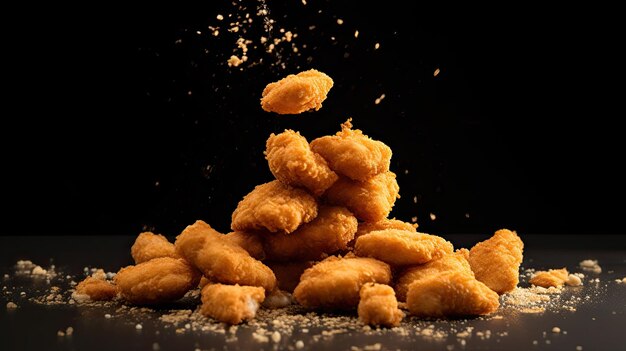
Sesame Chicken
Ingredients
Method
- In a medium bowl, whisk the eggs until smooth.
- In a separate shallow dish, combine cornstarch, salt, and black pepper.
- Dip each piece of chicken first into the eggs, then coat thoroughly with the cornstarch mixture.
- Set coated chicken aside on a plate.
- In a small bowl, whisk together soy sauce, honey, rice vinegar, sesame oil, brown sugar, garlic, ginger, and red pepper flakes until well combined.
- Set sauce aside.
- Heat about 2 inches of vegetable oil in a deep skillet or wok to 350°F (175°C).
- Carefully fry the chicken pieces in batches until golden brown and crispy, about 4-5 minutes per batch.
- Remove the chicken and drain on paper towels.
- Remove excess oil from the skillet, leaving about 1 tablespoon.
- Pour the prepared sauce into the skillet and cook over medium heat, stirring frequently, until the sauce thickens slightly, about 3-4 minutes.
- Add fried chicken pieces to the skillet and toss to coat evenly with the sauce.
- Transfer to a serving dish and sprinkle with toasted sesame seeds and sliced green onions.
- Serve hot with steamed rice or vegetables.