
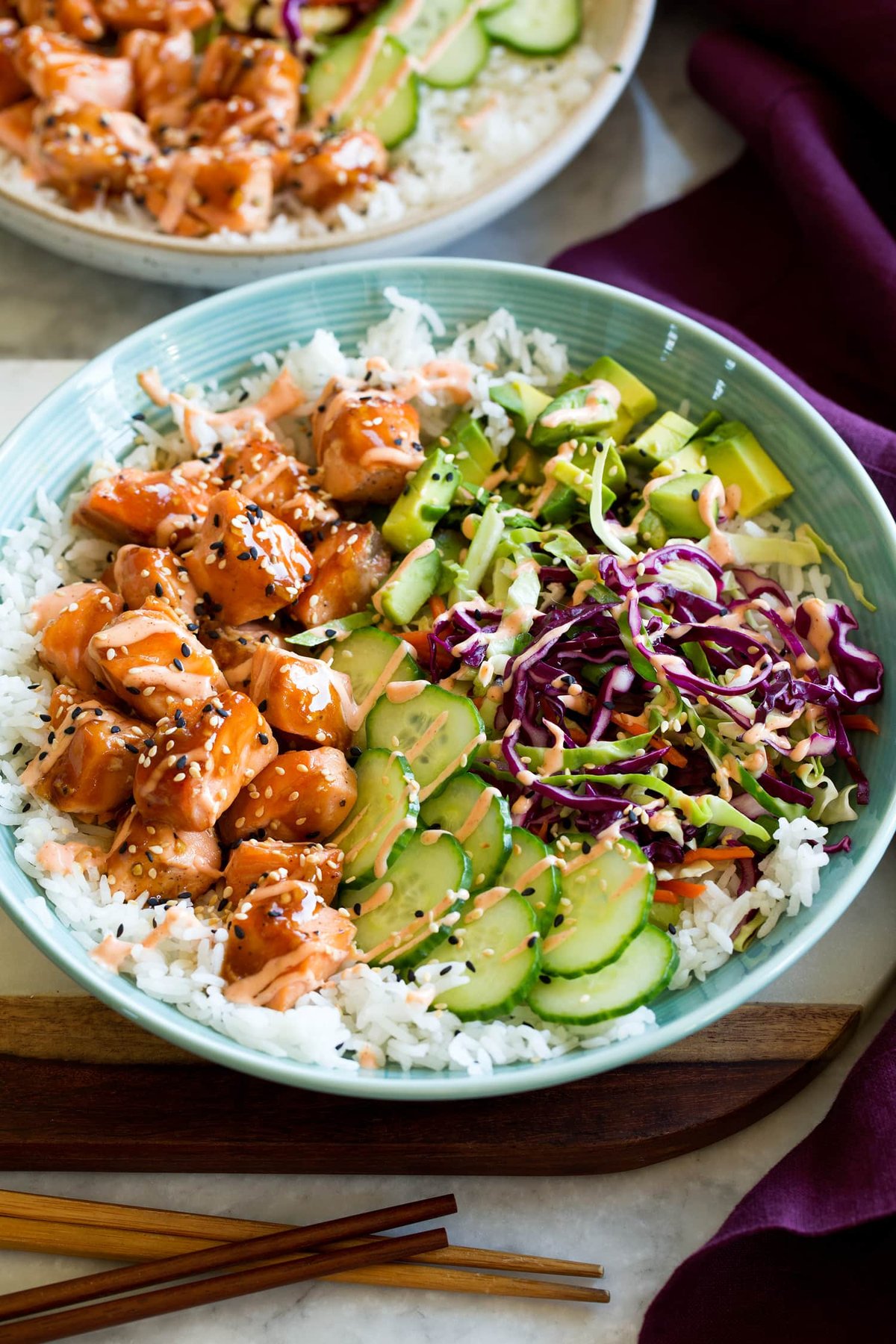
In the fast-paced world we live in, finding a meal that strikes the perfect balance between nutrition, flavor, and convenience can feel like searching for a needle in a haystack. Enter the Salmon Rice Bowl: a vibrant, texturally diverse, and incredibly satisfying dish that has rightfully earned its spot as a staple in modern home cooking. Whether you are browsing social media feeds filled with aesthetic food photography or looking for a quick post-workout dinner, the salmon rice bowl is ubiquitous—and for good reason. It is the culinary equivalent of a “little black dress”: versatile, reliable, and always appropriate, whether for a solo lunch or a casual dinner party.
This dish is more than just ingredients thrown into a bowl; it is a symphony of flavors. You have the rich, buttery, umami-packed salmon, which provides a luxurious mouthfeel. This is contrasted by the fluffy, neutral canvas of steamed rice, which soaks up sauces and juices perfectly. Then comes the crunch of fresh vegetables—crisp cucumbers, creamy avocados, and perhaps the snap of edamame or carrots. Finally, it is all tied together with a sauce—often a spicy mayonnaise or a soy-ginger glaze—that brings heat, acidity, and depth. It is a meal that leaves you feeling energized, not weighed down, making it the perfect fuel for a busy lifestyle.

In this comprehensive guide, we will dive deep into every aspect of making the ultimate Salmon Rice Bowl. We will explore the best types of salmon to buy, the science of cooking rice to perfection, how to customize your toppings for maximum nutrition, and the secret to that addictive spicy sauce that brings it all together. By the time you finish reading, you will be an expert in assembling a bowl that rivals any high-end poke shop or Japanese cafe.
Why You Will Love This Recipe
There are countless reasons why this recipe deserves a permanent spot in your weekly rotation. First and foremost is its speed. In less than 30 minutes, you can go from a raw fillet of fish to a restaurant-quality meal. This makes it a lifesaver for weeknights when the idea of spending hours over a stove is unappealing.
Secondly, it is a nutritional powerhouse. Salmon is one of the best sources of omega-3 fatty acids, which are essential for brain health and reducing inflammation. Paired with fiber-rich brown rice (if you choose) and a rainbow of vegetables, you are getting a complete meal with protein, healthy fats, and complex carbohydrates.

Thirdly, it is infinitely customizable. Do you hate cucumbers? Swap them for radishes. Love spice? Add jalapeños. Trying to cut carbs? Use cauliflower rice. The bowl format is forgiving and encourages creativity. It is a fantastic way to use up leftover vegetables in your fridge, reducing food waste while creating something delicious.
Finally, there is the visual appeal. We eat with our eyes first, and a well-assembled rice bowl is a thing of beauty. The contrast of the pink salmon, green avocado, and white rice makes for a dish that looks as good as it tastes. It is a meal that makes you feel like you are taking care of yourself.
The Origins of the Rice Bowl
The concept of serving fish over rice is ancient, deeply rooted in East Asian cuisine. In Japan, donburi (literally “bowl”) dishes consist of fish, meat, vegetables, or other ingredients simmered together and served over rice. Chirashi, a type of sushi where raw fish is scattered over vinegared rice, is a direct ancestor of the modern salmon bowl.
However, the specific iteration of the “Salmon Rice Bowl” that is popular today—often featuring cooked salmon, mayonnaise-based sauces, and avocado—is a more recent fusion evolution. It draws heavy inspiration from the Poke Bowl, a Native Hawaiian dish that traditionally features raw marinated fish. As poke moved to the mainland United States and became a global trend, it evolved. People started adding cooked toppings, mayonnaise (a Japanese staple itself), and ingredients like corn and edamame.
Another influence is the viral TikTok trend from a few years ago, popularized by creator Emily Mariko, which featured leftover salmon, rice, an ice cube (to steam the rice in the microwave), soy sauce, sriracha, and mayonnaise, eaten with seaweed snacks. This viral moment catapulted the cooked salmon bowl into the mainstream consciousness of Gen Z and Millennials, proving that simple, comforting ingredients often make the best meals.
Today’s Salmon Rice Bowl is a melting pot of these influences: the structure of a Japanese donburi, the fresh toppings of a Hawaiian poke bowl, and the convenience of modern meal prep culture.
Ingredient Deep Dive
To make a truly spectacular bowl, you need to understand your ingredients. Let’s break down each component.
The Salmon
The star of the show. You have several options here:
* Atlantic Salmon: Farmed Atlantic salmon is generally fattier and more forgiving to cook. It has a rich, buttery texture that melts in your mouth. This is often the most accessible option in supermarkets.
* Sockeye Salmon: Wild-caught Sockeye has a deep red color and a more intense, “fishier” flavor. It is leaner than Atlantic salmon, so you must be careful not to overcook it, or it can become dry.
* King (Chinook) Salmon: The gold standard. High fat, incredible flavor, but expensive. Use this for a special occasion.
* Canned Salmon: Don’t turn your nose up at this! For a budget-friendly lunch, high-quality canned salmon is excellent. It requires no cooking—just drain and flake.
The Rice
The foundation.
* Short-Grain White (Sushi) Rice: This is the best option for texture. It is sticky and chewy, making it easy to eat with chopsticks. The starchiness pairs perfectly with the fatty fish.
* Jasmine Rice: Aromatic and slightly less sticky. A good everyday option.
* Brown Rice: Nutty and chewy. It adds more fiber and keeps you full longer, though it takes longer to cook.
* Cauliflower Rice: For the low-carb or keto crowd. Sauté it well to remove excess moisture so your bowl doesn’t get soggy.
The Fresh Toppings
This is where you add texture and color.
* Avocado: Essential. Its creaminess mimics the fatty mouthfeel of tuna belly or mayonnaise. Look for one that is ripe but firm enough to slice neatly.
* Cucumber: Use English or Persian cucumbers. They have thinner skins and fewer seeds, making them crunchier and less watery than standard field cucumbers.
* Edamame: Shelled soybeans add a wonderful “pop” texture and a boost of plant-based protein. Buy them frozen and just run them under warm water to thaw.
* Scallions (Green Onions): They provide a sharp, fresh bite that cuts through the richness of the mayo and salmon.
* Sesame Seeds: Toasted seeds add a nutty aroma and a professional finish.
The Spicy Mayo
The sauce that binds the galaxy together.
* Mayonnaise: Use Kewpie mayo if you can find it. It is a Japanese mayonnaise made with egg yolks and rice vinegar, giving it a richer, more savory flavor (MSG is naturally present) than American mayo. If using regular mayo, add a splash of rice vinegar and a pinch of sugar.
* Sriracha: The classic chili-garlic heat. Adjust the amount to your spice tolerance.
* Soy Sauce: Adds the salt and umami.
Essential Equipment
You don’t need a professional kitchen, but a few tools make this easier:
* Rice Cooker: If you eat rice often, buy one. It guarantees perfect, fluffy rice every time with zero effort. No burnt bottoms or mushy grains.
* Heavy Skillet (Cast Iron or Non-Stick): To get a good sear on the salmon, you need a pan that holds heat well. Cast iron creates a beautiful crust, while non-stick is easier for cleanup and prevents the delicate fish skin from sticking.
* Sharp Knife: For slicing the avocado and cucumber thinly and beautifully. Presentation matters!
* Fish Spatula: A thin, flexible metal spatula is the best tool for flipping fish fillets without breaking them.
Step-by-Step Instructions
Step 1: The Rice
Start your rice first, as it takes the longest. Rinse your rice under cold water until the water runs clear. This removes excess surface starch and prevents the rice from becoming a gummy block. Cook according to your package or rice cooker instructions. Chef’s Tip: Season your cooked rice with a splash of rice vinegar, sugar, and salt (sushi seasoning) for an extra layer of flavor.
Step 2: Prep the Salmon
Pat your salmon fillets completely dry with paper towels. Moisture is the enemy of browning. If the fish is wet, it will steam instead of sear. Rub the fillets with a little olive oil and season generously with salt, pepper, garlic powder, and paprika. The paprika adds a lovely smoky flavor and contributes to a beautiful red color.
Step 3: The Sear
Heat your skillet over medium-high heat. Add a tablespoon of oil. When the oil shimmers (but isn’t smoking like a chimney), carefully lay the salmon in the pan, skin-side down if skin-on. Press it down gently for 10 seconds to prevent the skin from curling. Don’t touch it! Let it cook for about 4-5 minutes. You will see the opacity of the cooked fish moving up the side of the fillet. When it releases easily from the pan, flip it. Cook for another 2-4 minutes on the second side depending on thickness. You want the center to be just slightly translucent for maximum moistness.
Step 4: The Sauce
While the salmon rests (always let meat rest!), make your sauce. Whisk together the mayonnaise, sriracha, and a teaspoon of soy sauce or sesame oil. Taste it. Too spicy? Add more mayo. Too bland? Add a splash of lime juice.
Step 5: Assembly
Fluff the warm rice and scoop it into bowls. Place the salmon fillet (or flake it into chunks) on one side. Arrange the avocado slices, cucumber rounds, and edamame in separate quadrants. Drizzle everything generously with the spicy mayo. Sprinkle with sesame seeds and chopped green onions.
Step 6: The Final Touch
Serve with a side of roasted seaweed sheets (nori). You can use them to scoop up bites of rice and fish, adding a salty, oceanic crunch that takes the experience to the next level.
Tips for Success
- Don’t Overcook the Salmon: This is the #1 mistake. Overcooked salmon is dry, chalky, and sad. Remember that the fish continues to cook from residual heat after you take it out of the pan. Pull it off the heat when it looks almost done.
- Cold vs. Warm: This dish is best served with warm rice and warm fish, but cool toppings (cucumber/avocado). The temperature contrast is part of the pleasure.
- Leftovers: If you are using leftover cold rice, sprinkle a little water over it and microwave it covered. This re-steams the grains and makes them fluffy again.
- Marination: If you have time, marinate the salmon cubes in soy sauce, ginger, and garlic for 30 minutes before cooking for a deeper flavor profile.
Variations to Try
- Teriyaki Glaze: Instead of spicy mayo, brush the cooked salmon with a sweet and sticky teriyaki sauce.
- The “Canned” Hack: If using canned salmon, mix it directly with the spicy mayo before putting it on the rice. It creates a creamy “salmon salad” texture similar to a spicy tuna roll.
- Mediterranean Twist: Swap the soy and sriracha for lemon and dill. Swap rice for quinoa. Add chickpeas, feta cheese, and cherry tomatoes instead of edamame and avocado.
- Vegan Version: Replace the salmon with crispy tofu cubes or marinated tempeh. Use vegan mayonnaise.
Storage and Reheating
Storage: Store the components separately if possible. The rice and salmon can be stored in the fridge for up to 3 days. The avocado should be cut fresh, as it browns quickly (oxidation). If you must store cut avocado, press plastic wrap directly against the surface or submerge it in water.
Reheating: Reheat the rice and salmon gently in the microwave or on the stovetop. Do not reheat the cucumber or avocado—remove them from the bowl before heating if you pre-assembled it.
Frequently Asked Questions
Is this recipe healthy?
Yes, it is very balanced. It provides high-quality protein, healthy monounsaturated fats (avocado), and omega-3s. To make it lower in calories, use less mayonnaise or swap it for Greek yogurt mixed with sriracha.
Can I make this ahead of time?
Yes, it is a meal prep favorite. Cook a big batch of rice and salmon on Sunday. Portion them into containers. Add the fresh veggies each morning or keep them in a separate compartment of your bento box.
What if I don’t like spicy food?
Omit the sriracha! A simple drizzle of soy sauce and sesame oil is delicious on its own. Or try a “yum yum” sauce made with mayo, tomato paste, and paprika.
Can I eat the salmon raw?
Only if you buy “sushi-grade” fish. “Sushi-grade” is an unregulated term, but it generally means the fish has been frozen at very low temperatures to kill parasites. Unless you trust your fishmonger implicitly, it is safer to cook supermarket salmon.
Why is my rice sticking to the pot?
You likely didn’t rinse it enough, or you cooked it at too high a temperature. Using a heavy-bottomed pot or a rice cooker solves this. Also, never stir rice while it is cooking—this releases starch and makes it gummy.
Conclusion
The Salmon Rice Bowl is a testament to the idea that simple ingredients, treated with respect, can create a meal that is greater than the sum of its parts. It satisfies our craving for comfort, our need for nutrition, and our desire for beautiful, flavorful food. Whether you stick to the classic recipe or branch out with your own creative toppings, this is a dish that will never let you down. So, rinse your rice, heat up your skillet, and get ready to enjoy one of the most satisfying meals you can make in your own kitchen.
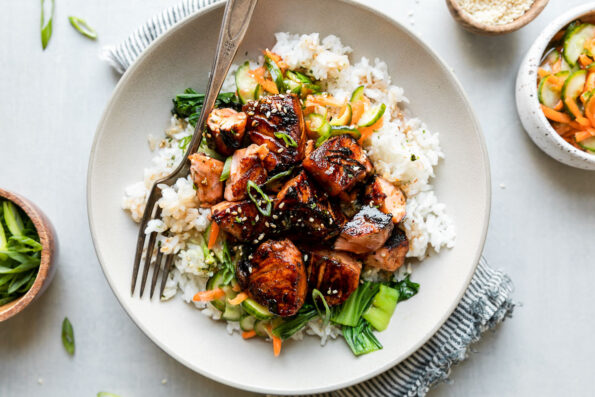
Salmon Rice Bowls a Flavorful and Satisfying Meal
Ingredients
Method
- Season salmon fillets with paprika, garlic powder, salt, and pepper.
- Heat oil in a skillet over medium-high heat. Cook salmon for 4-5 minutes per side until cooked through.
- Divide rice into two bowls.
- Top with salmon, avocado, cucumber, and edamame.
- Mix mayo ingredients and drizzle over the bowls.
- Sprinkle with sesame seeds.