
Sourdough Cinnamon Rolls is a delicious recipe that combines amazing flavors and textures.
Sourdough Cinnamon Rolls represent the perfect marriage of traditional fermentation techniques with classic American baking. The natural leavening from sourdough starter creates a complex flavor profile that commercial yeast simply cannot match, with subtle tanginess that cuts through the sweetness of the cinnamon filling. These rolls have a superior texture – slightly chewy with a tender crumb that stands up to the rich cream cheese frosting.

The Magic of Sourdough Fermentation
Sourdough fermentation is an ancient technique that relies on wild yeast and lactobacillus bacteria rather than commercial yeast. This natural leavening process takes longer but develops deeper flavors through organic acid production. The lactobacilli break down phytic acid in the flour, making nutrients more bioavailable and potentially easier to digest for those with mild gluten sensitivities.
The sourdough starter is a living ecosystem that requires regular feeding with flour and water to maintain activity. An active, bubbly starter is essential for proper rising in these cinnamon rolls. The fermentation time allows enzymes to break down complex carbohydrates, resulting in a final product that may have a lower glycemic impact than traditionally leavened baked goods.

Developing Flavor Through Slow Fermentation


The extended rise time (6-8 hours or overnight) allows for maximum flavor development. During this slow fermentation, the yeast and bacteria produce compounds that create the characteristic tang of sourdough. The length of fermentation can be adjusted to control the sourness – a shorter rise produces milder flavor while longer fermentation increases tanginess.

Temperature significantly affects fermentation speed. In warmer environments, the dough may rise more quickly, while cooler temperatures slow the process. The overnight rise in the refrigerator is an excellent option for developing flavor while fitting into a busy schedule. This slow, cold fermentation often produces the most complex flavor profile.
Ingredients Selection for Optimal Results
Using high-quality ingredients makes a noticeable difference in sourdough baking. Organic flour often contains more diverse microorganisms that can enhance the fermentation process. European-style butter has a higher fat content that creates richer dough and filling. Freshly ground cinnamon has more volatile oils and thus more flavor than pre-ground spices.

The type of flour affects the final texture. Bread flour produces chewier rolls with more structure, while all-purpose flour results in a softer texture. Whole wheat flour can be substituted for up to one-third of the all-purpose flour for added nutrition, though the rolls will be denser.
Shaping Techniques for Perfect Spirals
Rolling the dough evenly is crucial for uniform spirals in the baked rolls. Using a pastry brush to distribute the softened butter ensures coverage without tearing the dough. The sugar-cinnamon mixture should be sprinkled evenly, leaving a small border at the far edge to seal the roll properly.
When cutting the rolls, use dental floss or a sharp serrated knife to avoid compressing the layers. The dental floss method involves sliding it under the roll, crossing the ends over the top, and pulling to create a clean cut. This technique preserves the spiral shape better than pressing down with a knife.

Baking Science for Sourdough Goods
Sourdough baked goods often benefit from slightly higher baking temperatures than their commercial yeast counterparts. The 375°F temperature creates sufficient oven spring (the final rise in the oven) while caramelizing the sugars in the filling. Steam in the oven during the first few minutes of baking can improve oven spring and create a crispier exterior.
The rolls are done when they reach an internal temperature of 190-200°F and the tops are golden brown. The filling may bubble out slightly – this is normal and creates delicious caramelized edges. Avoid overbaking, as sourdough products can become dry due to their lower fat content compared to enriched doughs made with commercial yeast.
Frosting Chemistry and Application
The cream cheese frosting provides a tangy contrast that complements the sourdough base. The fat in cream cheese and butter creates emulsion that holds the sugar in suspension. Bringing these ingredients to room temperature before mixing is essential for a smooth, lump-free frosting.

Applying frosting to warm (not hot) rolls allows it to melt slightly and seep into the layers while maintaining its structure. For neater presentation, you can wait until the rolls have cooled completely before frosting, though the warmth helps the frosting adhere to the irregular surface of the rolls.
Storage and Reheating Recommendations
Sourdough cinnamon rolls stay fresh longer than yeast-leavened versions due to the natural preservatives produced during fermentation. They can be stored at room temperature for 2 days or refrigerated for up to 5 days. The flavor often improves after a day as the ingredients continue to meld.
To refresh day-old rolls, warm them in a 300°F oven for 5-8 minutes or microwave individual rolls for 15-20 seconds. The rolls freeze well for up to 3 months – wrap tightly in plastic wrap and then foil before freezing. Thaw at room temperature and warm before serving.
Nutritional Benefits of Sourdough
The fermentation process in sourdough baking offers several potential health benefits. The slow fermentation breaks down gluten proteins, which may make them easier to digest for some people. The process also reduces phytate content, increasing mineral bioavailability. The natural acids produced during fermentation help slow glucose absorption, potentially resulting in a lower glycemic response.
While still a sweet treat, sourdough cinnamon rolls may cause less of a blood sugar spike than conventional versions. The longer fermentation allows for more complete starch digestion, and the fiber content remains higher than in quickly risen baked goods.
Historical Context of Sourdough
Sourdough is one of the oldest forms of leavening, dating back to ancient Egypt. It was the primary leavening method until commercial yeast became available in the 19th century. The California Gold Rush popularized sourdough in American culture, where miners prized their starters as valuable possessions.
This historical connection adds depth to the baking experience, linking modern bakers to centuries of tradition. Maintaining a sourdough starter creates a living connection to this culinary history, with some bakeries boasting starters that are decades or even centuries old.
Troubleshooting Common Issues
If your rolls aren’t rising sufficiently, your starter may not be active enough. Feed it 4-8 hours before using and ensure it’s bubbly and doubled in volume. If the dough is too sticky, add flour gradually during kneading, but be careful not to add too much as this can create dense rolls.
If the filling leaks excessively during baking, you may be using too much butter or not sealing the roll properly. If the rolls are baking unevenly, rotate the pan halfway through baking. If the tops are browning too quickly, tent with foil for the remaining baking time.
Final Thoughts
Sourdough Cinnamon Rolls require more time and patience than quick-rise versions, but the result is a superior baked good with complex flavors and textures that justify the effort. The process connects us to traditional baking methods while producing a treat that feels both rustic and refined.
These rolls represent the perfect weekend project for sourdough enthusiasts looking to expand their repertoire beyond bread. The satisfaction of creating something so delicious from just flour, water, and time is a reward in itself, made even better when shared with friends and family who will appreciate the extraordinary results of your sourdough journey.
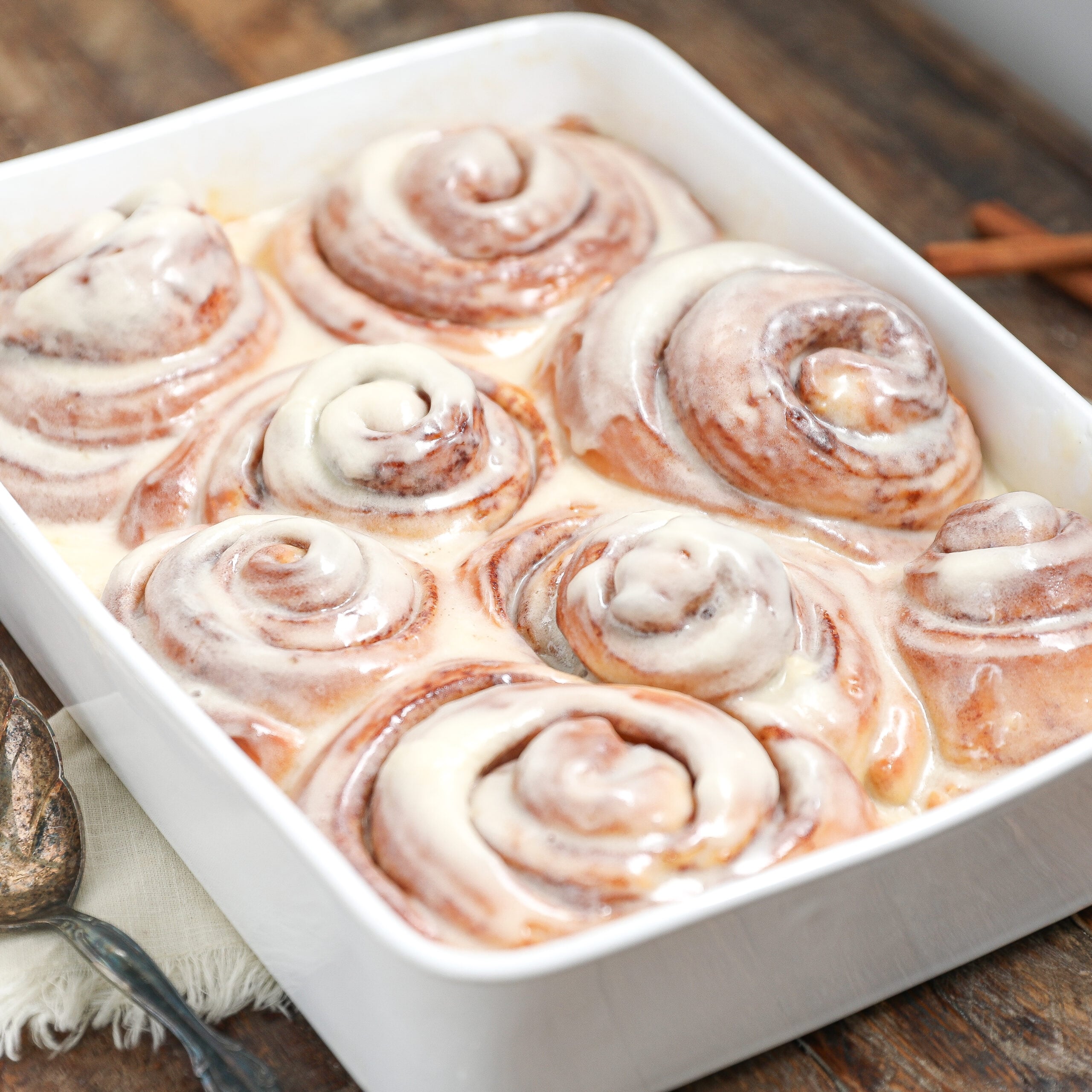
Sourdough Cinnamon Rolls
Ingredients
Method
- In a large bowl, combine starter, milk, melted butter, honey, and egg
- Mix in 4 cups flour and salt until a shaggy dough forms
- Knead for 8-10 minutes, adding more flour as needed
- Place in greased bowl, cover, and let rise for 6-8 hours or overnight
- Roll dough into 16x12 inch rectangle
- Spread softened butter over dough
- Mix brown sugar and cinnamon; sprinkle over butter
- Sprinkle with pecans if using
- Roll tightly from long side and cut into 12 pieces
- Place in greased 9x13 inch pan, cover, and let rise 2-3 hours
- Preheat oven to 375°F
- Bake for 22-25 minutes until golden brown
- Beat frosting ingredients until smooth
- Frost warm rolls and serve