
Honey Gochujang Chicken Air Fryer is a delicious recipe that combines amazing flavors and textures.
The air fryer has revolutionized home cooking, and Honey Gochujang Chicken showcases exactly why this appliance has become so beloved. This dish combines the complex, fermented flavor of Korean gochujang with the natural sweetness of honey, creating a sauce that’s simultaneously sweet, spicy, savory, and slightly funky. The air fryer creates incredibly crispy chicken without the need for deep frying, making this a healthier version that doesn’t sacrifice any of the satisfaction or flavor.

What makes this dish exceptional is the balance of flavors. Gochujang—a Korean fermented chili paste—provides depth and umami that typical hot sauces can’t match. Its complexity comes from the fermentation process, which creates savory notes that complement the sweetness of honey perfectly. The air fryer’s rapid air circulation creates a crispy exterior while keeping the chicken juicy inside, and the sauce caramelizes slightly during the final minutes of cooking, creating sticky, flavorful perfection.
The Science of Air Frying
Air frying works by circulating hot air around food at high speed, creating a Maillard reaction and caramelization similar to deep frying but with significantly less oil. The Maillard reaction occurs when amino acids and reducing sugars react under heat, creating the brown color and complex flavors associated with roasted and fried foods.

The rapid air movement in an air fryer also quickly evaporates surface moisture, preventing steaming and promoting crisping. The small capacity of most air fryers means they recover temperature quickly after food is added, maintaining the high heat necessary for proper browning. This combination of factors allows air fryers to create textures similar to deep frying with 70-80% less oil.

For this recipe, the cornstarch coating helps create an especially crispy exterior by forming a thin crust that browns beautifully. The sugar in the honey caramelizes during the final minutes of cooking, creating a glossy, sticky glaze that clings to the chicken.
Understanding Gochujang
Gochujang is a fundamental ingredient in Korean cuisine, a fermented chili paste made from chili powder, glutinous rice, fermented soybean powder, and salt. Its fermentation process can take months or years, developing complex umami flavors that make it much more than just a spicy condiment.

Traditional gochujang is fermented in earthenware pots called onggi, which allow slight air exchange that contributes to the fermentation process. The resulting paste has a unique combination of sweet, spicy, salty, and umami flavors with a distinct fermented depth. Its viscosity makes it ideal for glazes and marinades as it clings well to food.
When selecting gochujang, look for traditional brands without artificial additives. The color should be deep red, and the texture should be thick and paste-like. intensity can vary between brands, so adjust quantity based on your spice preference.
Ingredient Selection Guide
Chicken: Boneless, skinless thighs work best as they remain juicy during air frying. Breasts can dry out more easily. For extra crispiness, use chicken with skin left on.

Gochujang: Authentic Korean gochujang provides the best flavor. Look for it in Asian markets or international aisles. Paste consistency varies – thinner pastes may require reduction.
Honey: Use quality honey for best flavor. For vegan version, maple syrup or agave can be substituted. The sweetness balances the spice of gochujang.
Soy sauce: Regular or reduced-sodium both work. For gluten-free, use tamari or coconut aminos.

Aromatics: Fresh garlic and ginger provide the best flavor. pre-minced versions can be used but fresh is superior.
Cornstarch: Helps create crispy exterior. Can substitute with arrowroot or potato starch.
Technique Mastery
Preparing chicken: Pat chicken completely dry before seasoning – moisture prevents crisping. Cutting similar-sized pieces ensures even cooking. Light coating of cornstarch promotes browning.
Sauce consistency: Sauce should be thick enough to coat chicken without dripping off. If too thin, simmer to reduce or add cornstarch slurry. If too thick, thin with water or rice vinegar.
Air frying: Don’t overcrowd basket – cook in batches if necessary. Shake basket or flip chicken halfway through cooking. Brush sauce on during final minutes to prevent burning.
Temperature checking: Use meat thermometer to ensure internal temperature of 165°F. Chicken thighs are forgiving but still need proper cooking.
Resting: Let chicken rest few minutes after cooking to redistribute juices before serving.
Flavor Variations
This versatile recipe adapts well to various interpretations:
Spice level: Adjust gochujang amount for desired heat. Add gochugaru (Korean chili flakes) for extra spice without changing sauce consistency.
Sweetness: Vary honey amount or use different sweeteners like brown sugar, maple syrup, or fruit preserves.
Acidity: Add lime or lemon juice for brightness. Rice vinegar provides mild acidity.
Additional flavors: Include sesame oil, fish sauce, or miso for additional umami depth.
Protein variations: Use this sauce on tofu, cauliflower, shrimp, or salmon instead of chicken.
Meal Prep Strategies
This dish is excellent for meal preparation:
Make ahead: Prepare sauce up to week in advance and store in refrigerator. Marinate chicken in sauce for up to 24 hours for deeper flavor penetration.
Freezing: Freeze cooked chicken for up to 3 months. Reheat in air fryer to restore crispiness. Sauce can be frozen separately.
Component prep: Portion chicken and measure dry ingredients for quick assembly on busy nights.
Complete meals: Package with rice and vegetables for ready-to-heat meals.
Dietary Adaptations
This recipe can be adapted for various dietary needs:
Gluten-free: Use tamari or coconut aminos instead of soy sauce. Ensure gochujang is gluten-free (some brands contain wheat).
Vegan: Use maple syrup instead of honey and substitute chicken with firm tofu or cauliflower florets.
Lower sugar: Reduce honey and add small amount of sugar substitute that caramelizes well.
Paleo: Use coconut aminos and ensure gochujang is paleo-compliant (some contain grains).
Whole30: Omit honey and use date paste for slight sweetness. Use compliant gochujang alternative.
Serving Suggestions
Complete your meal with these traditional and creative sides:
Rice: Steamed short-grain rice is classic accompaniment. For variety, use brown rice, quinoa, or rice noodles.
Vegetables: Serve with kimchi, quick-pickled vegetables, or steamed bok choy. Roasted broccoli or Brussels sprouts work well.
Toppings: Garnish with sesame seeds, sliced green onions, or chopped peanuts for textural contrast.
Wraps: Serve in lettuce cups or tortillas for handheld option.
Bowls: Create grain bowls with rice, chicken, vegetables, and extra sauce.
Cultural Context
While this specific recipe is a modern creation, it draws heavily from Korean culinary traditions. Gochujang is one of the essential ingredients in Korean cuisine, used in dishes like bibimbap, tteokbokki, and various stews and marinades.
The combination of gochujang with sweeteners like honey or sugar is traditional in Korean cooking, seen in dishes like bulgogi and dakgangjeong (Korean fried chicken). The air fryer method represents a contemporary adaptation that makes these flavors more accessible to home cooks while reducing oil content.
This recipe exemplifies how traditional flavors can be adapted using modern techniques, making authentic tastes more accessible to global audiences while respecting their cultural origins.
Final Thoughts
Honey Gochujang Chicken made in the air fryer represents the best of modern home cooking: global flavors, health-conscious preparation, and convenience without compromise. It demonstrates how specialized ingredients like gochujang have moved from ethnic markets to mainstream supermarkets, expanding our culinary horizons.
The air fryer’s ability to create crispy, caramelized textures with minimal oil makes it ideal for this type of glazed protein. As you master this recipe, you’ll develop techniques that apply to many other air fryer dishes, making you more confident with this versatile appliance.
Whether you’re new to Korean flavors or a longtime fan, this dish offers a perfect introduction to the complex, addictive taste of gochujang. Its balance of sweet, spicy, and savory flavors keeps it interesting while remaining approachable enough for family dinners. It’s the kind of recipe that might just become a regular in your rotation—proof that sometimes the most delicious dishes are also the simplest to prepare.
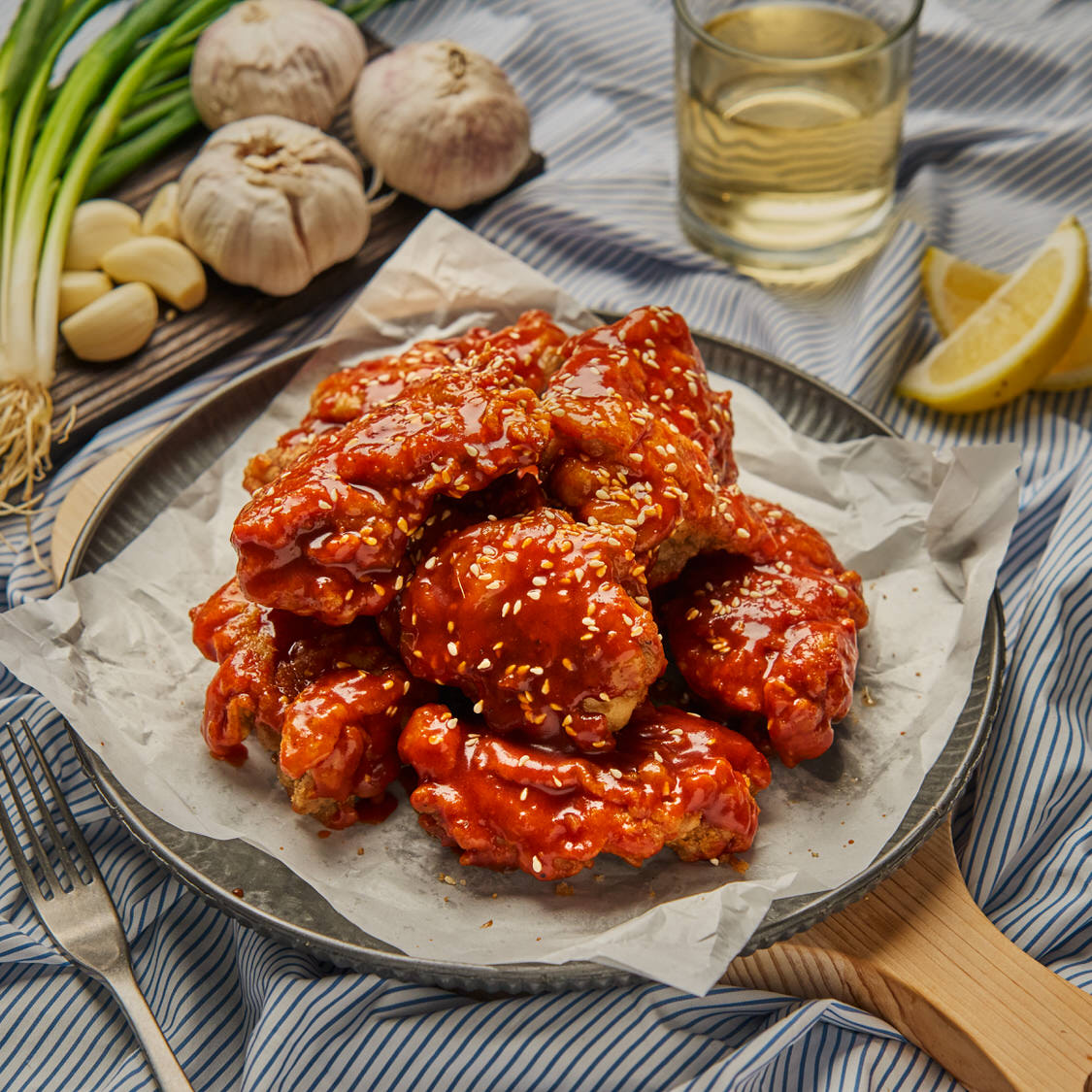
Honey Gochujang Chicken Air Fryer
Ingredients
Method
- Pat chicken dry with paper towels
- Toss with cornstarch, sesame oil, salt, and pepper
- Let sit while preparing sauce
- Whisk together gochujang, honey, soy sauce, vinegar, garlic, and ginger
- Set aside
- Preheat air fryer to 380°F
- Arrange chicken in single layer in air fryer basket
- Cook for 10 minutes, flipping halfway through
- Brush with sauce during last 2 minutes of cooking
- Check internal temperature reaches 165°F
- Toss cooked chicken with remaining sauce
- Garnish with additional sesame seeds
- Serve with rice and vegetables