
Unstuffed Pepper Skillet is a delicious recipe that combines amazing flavors and textures.
Unstuffed pepper skillet represents the epitome of comfort food efficiency, delivering all the familiar flavors of traditional stuffed peppers without the labor-intensive preparation. This one-pan wonder combines ground beef, rice, bell peppers, and tomatoes in a hearty, satisfying dish that comes together in under 30 minutes. The genius of this preparation lies in its deconstructed approach – maintaining the essential flavor profile while dramatically simplifying the cooking process and reducing cleanup.

What makes this dish truly exceptional is its versatility and adaptability to various dietary preferences and ingredient availability. The basic formula welcomes countless variations, allowing cooks to customize based on what’s in the pantry or specific nutritional needs. This skillet meal perfectly embodies the contemporary cooking philosophy of maximizing flavor while minimizing effort, making it equally suitable for busy weeknights and casual entertaining.
The Evolution of Skillet Meals
Skillet meals have fascinating origins tracing back to ancient one-pot cooking traditions across cultures. The specific concept of “deconstructing” traditional dishes into simplified skillet versions represents a more recent innovation that aligns with modern time constraints and cooking preferences. Unstuffed pepper skillet belongs to this category of dishes that maintain the soul of traditional preparations while adapting to contemporary lifestyles.

The rise of skillet meals in American home cooking correlates with several 20th-century developments: the popularization of electric stoves, the invention of non-stick cookware, and the increasing time pressures on home cooks. This dish perfectly represents how traditional recipes evolve to meet changing needs while preserving the comfort and satisfaction of the originals.

Ingredient Selection Guide
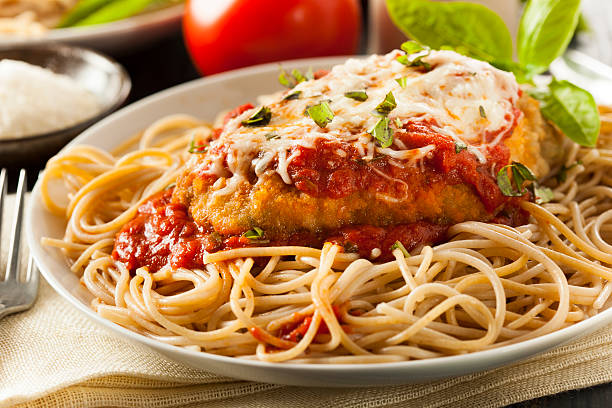
Ground Beef: 80/20 lean-to-fat ratio provides best flavor without excessive grease. Drain excess fat after browning. For leaner option, use ground turkey or chicken.
Rice: Long-grain white rice works best for texture. Brown rice can be used but requires additional liquid and cooking time. Pre-cooked rice reduces cooking time significantly.

Peppers: Use a mix of colors for visual appeal and flavor complexity. Red peppers are sweeter, green more bitter. Roasted peppers add depth but may make dish watery.
Tomatoes: Quality canned tomatoes make a difference. Fire-roasted diced tomatoes add smokiness. Tomato sauce with herbs simplifies seasoning.
The Science of Rice Cookery
Perfect rice texture requires proper liquid-to-rice ratio and cooking time. The standard ratio is 2:1 liquid to rice, but this varies slightly by rice type and cooking method. The rice toasts slightly in fat before adding liquid, which helps grains remain separate and absorb flavor.

The simmering process must be gentle and consistent. Lifting the lid releases steam and interrupts cooking. The resting period after cooking allows moisture to redistribute evenly throughout the grains. Fluffing with a fork separates grains without making them mushy.
Step-by-Step Technique Mastery
Browning Technique: Don’t crowd the skillet when browning meat. Work in batches if necessary. Develop fond (browned bits) on the bottom of the pan for flavor.
Vegetable Cooking: Cook onions and peppers until softened but still with some texture. They will continue cooking with the rice. Season vegetables as they cook to build flavor layers.

Liquid Measurement: Measure accurately for proper rice cooking. The ratio may need adjustment based on juiciness of tomatoes and vegetables. The mixture should be saucy but not soupy.
Simmering Control: Maintain gentle simmer – too vigorous and liquid evaporates before rice cooks; too low and rice becomes mushy. Don’t lift lid during cooking except briefly to check.
Flavor Development Secrets
Layer flavors throughout the cooking process. Season meat generously with salt and pepper. Toast rice in the fat to coat grains and develop nutty flavor. Bloom dried herbs in the oil before adding liquids.
Consider flavor boosters like a dash of fish sauce for umami, a pinch of sugar to balance acidity, or a splash of red wine for complexity. Fresh herbs added at the end provide brightness.
For professional touch, finish with a drizzle of quality olive oil or a sprinkle of fresh cheese. A squeeze of lemon juice just before serving brightens the rich flavors.
Professional Presentation Techniques
For appealing presentation, use colorful pepper varieties. Garnish with fresh herbs and a sprinkle of paprika for color contrast. Serve in the skillet for rustic appeal or transfer to serving dish.
Create visual interest with cheese melting patterns – some areas fully melted, others with visible shreds. Provide lemon wedges on the side for diners to add brightness if desired.
For individual servings, use ring molds to create neat portions. Wipe plate edges clean for restaurant-style presentation.
Nutritional Considerations
This dish can be modified for various dietary needs. Use lean ground meat or plant-based alternatives, brown rice or cauliflower rice, and reduced-sodium broths and tomatoes.
For specific diets: use dairy-free cheese alternatives, ensure Worcestershire sauce is vegetarian if needed, or adjust seasonings for low-sodium requirements. The basic method adapts to many dietary patterns.
Add nutrient-dense ingredients like finely chopped spinach, grated zucchini, or mushrooms sautéed with the peppers. Increase protein with additional beans or lentils.
Storage and Freshness Preservation
Leftovers can be refrigerated for 5 days or frozen for 3 months. The flavors often improve after a day as they meld. Reheat with a splash of water or broth to restore moisture.
Components can be pre-prepped: vegetables chopped, meat browned, seasoning mix prepared. Store separately and combine when ready to cook.
For meal prep, portion into containers for easy lunches. Add fresh garnish when reheating for best texture and appearance.
Cultural Significance and Modern Adaptations
Unstuffed pepper skillet represents the evolution of traditional Eastern European stuffed pepper recipes through American convenience cooking. It embodies how immigrant foodways adapt to new environments and time constraints while maintaining connection to cultural roots.
Modern variations include global flavor profiles: Mexican with corn and black beans, Italian with basil and mozzarella, or Greek with olives and feta. This adaptability ensures continued relevance across diverse culinary landscapes.
Final Thoughts
As you enjoy the familiar comfort of pepper and beef flavors in efficient skillet form, appreciate how this dish represents culinary innovation through simplification. May this unstuffed pepper skillet become a reliable favorite in your weeknight rotation, providing nourishment and satisfaction with minimal effort and maximum flavor.
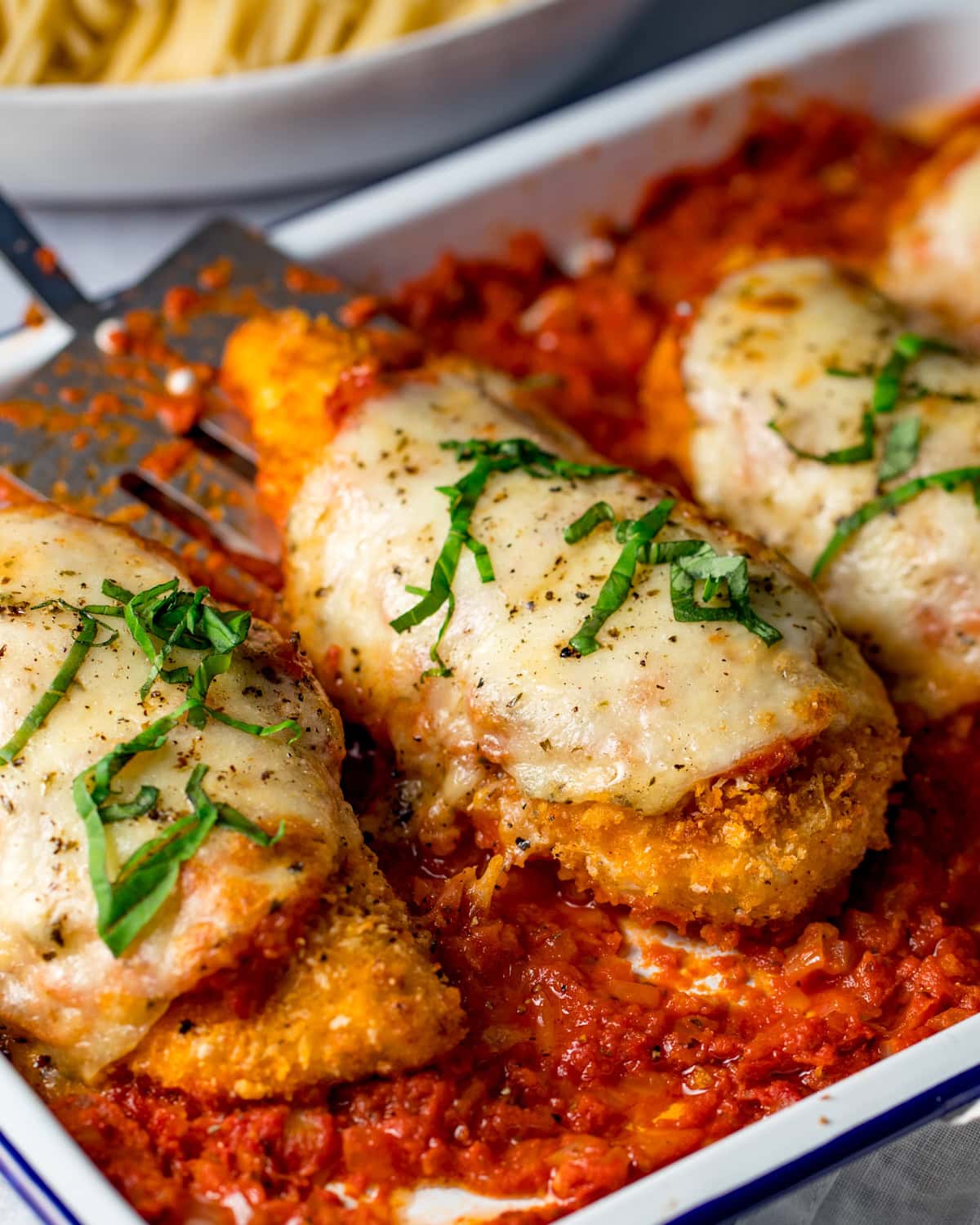
Unstuffed Pepper Skillet
Ingredients
Method
- Brown ground beef in large skillet over medium-high heat
- Add onions and peppers, cook until softened
- Add garlic and cook 1 minute until fragrant
- Stir in uncooked rice and toast slightly
- Add tomato sauce, diced tomatoes, broth, and seasonings
- Bring to boil, then reduce heat to low
- Cover and simmer for 18-20 minutes until rice is tender
- Remove from heat, let stand 5 minutes
- Fluff with fork, adjust seasoning
- Top with cheese, cover to melt
- Garnish with parsley before serving