
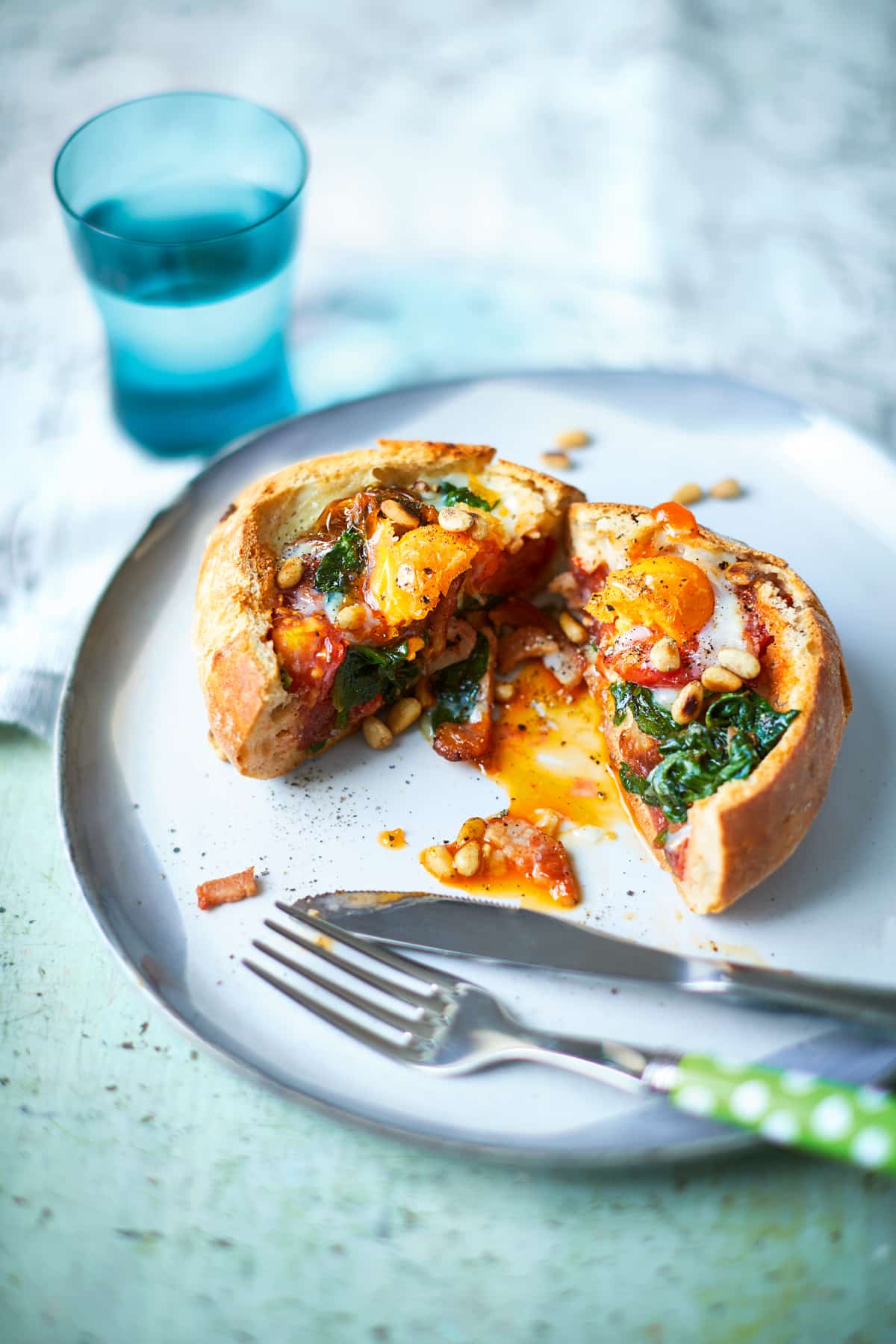
Breakfast Rolls is a delicious recipe that combines amazing flavors and textures.
Breakfast rolls represent the perfect fusion of convenience and comfort, offering a portable morning meal that doesn’t compromise on flavor or satisfaction. These delicious spirals of soft dough envelop a savory filling of bacon, eggs, and cheese, creating a complete breakfast in every bite. The concept combines the appeal of freshly baked bread with the heartiness of a traditional breakfast, resulting in a dish that’s equally suitable for busy weekday mornings and leisurely weekend brunches.

What makes these breakfast rolls truly exceptional is their versatility. The basic formula accommodates countless variations, allowing cooks to customize the filling based on personal preferences or ingredient availability. The dough itself can be prepared in advance, refrigerated overnight, and baked fresh in the morning, filling your kitchen with the irresistible aroma of baking bread and sizzling bacon that promises to get even the sleepiest family members out of bed.
The Evolution of Breakfast Pastries
Breakfast rolls belong to a long tradition of morning baked goods that spans cultures and centuries. From European sweet rolls like German schnecken to savory British sausage rolls, the concept of enclosed fillings within dough has ancient roots. The modern American breakfast roll represents a relatively recent innovation that combines these Old World techniques with New World ingredients and time constraints.

The mid-20th century saw the rise of convenience foods in American households, but simultaneously created a longing for homemade authenticity. Breakfast rolls perfectly bridge this gap, offering the satisfaction of from-scratch baking with the practical advantage of containing multiple breakfast components in one handheld package. This dual appeal explains their enduring popularity and continued evolution in home kitchens and bakeries alike.
Ingredient Selection Guide
Flour: All-purpose flour provides the ideal protein content for these rolls. For lighter texture, substitute 1/4 cup with cake flour. Whole wheat flour can be used for up to half the total flour, but add 2 tbsp additional liquid.
Yeast: Active dry yeast works perfectly for this recipe. Instant yeast can be used by mixing it directly with the flour. For richest flavor, consider using fresh yeast crumbled into the milk.

Dairy: Whole milk creates the most tender crumb, but 2% works well. For extra richness, substitute half the milk with heavy cream. Plant-based milks can be used, but may slightly alter texture.
Fillings: Quality ingredients make a significant difference. Thick-cut bacon provides better texture, freshly grated cheese melts more evenly, and fresh herbs offer brighter flavor than dried.
The Science of Yeast Dough
Creating perfect breakfast rolls requires understanding yeast fermentation. Yeast feeds on sugars, producing carbon dioxide that makes dough rise and alcohol that contributes flavor. Temperature control is crucial – too cold and fermentation slows, too hot and yeast dies.

The first rise (bulk fermentation) develops flavor through alcohol production and gluten development. The second rise (proofing) primarily creates airiness. Under-proofing results in dense rolls, while over-proofing causes collapse. The windowpane test (stretching a small piece of dough thin enough to see light through without tearing) indicates proper gluten development.
Step-by-Step Technique Mastery
Dough Consistency: The dough should be slightly tacky but not sticky. If too wet, add flour 1 tbsp at a time. If too dry, add milk 1 tsp at a time. Proper kneading develops the gluten network that gives structure.
Filling Distribution: Even filling distribution ensures every bite contains all components. Leave a 1-inch border on all sides to prevent leakage. slightly cool fillings before assembling to prevent cooking the dough.
Rolling Technique: Roll tightly but without stretching the dough, which can cause tearing. The initial rectangle should be of even thickness to ensure consistent baking.
Cutting Method: Use dental floss or sharp knife for clean cuts that don’t compress the layers. Wipe the blade between cuts for neat appearance.
Flavor Development Secrets
For enhanced flavor, consider an overnight cold fermentation. After the first rise, punch down dough, cover tightly, and refrigerate overnight. The next morning, proceed with rolling and filling. This slow fermentation develops more complex flavors.
Add layers of flavor through seasoning: a pinch of smoked paprika in the dough, garlic powder in the butter brush, or fresh herbs in the filling. Consider incorporating flavor into every component rather than just the filling.
For deeper flavor, brown the butter before adding to the dough. Toast spices before incorporating. Use high-quality sea salt as a finishing touch.
Professional Presentation Techniques
For bakery-quality presentation, brush with egg wash (1 egg + 1 tbsp water) before baking for deep golden color. Sprinkle with flaky salt immediately after baking.
Arrange rolls so they just touch in the pan – this creates soft sides while allowing tops to brown. For individual rolls with crispier exteriors, space them 2 inches apart on the baking sheet.
Serve on a wooden board with fresh herbs for garnish. Provide small bowls of complementary sauces for dipping – hollandaise, spicy ketchup, or cheese sauce.
Nutritional Considerations
While indulgent, these can be modified for dietary needs. Use whole wheat flour for added fiber, reduced-fat cheese, and turkey bacon for lower fat version.
For gluten-free version, use 1:1 gluten-free flour blend with 1 tsp xanthan gum. For dairy-free, use plant-based milk and butter alternatives. The eggs can be replaced with commercial egg replacer.
Add nutrition boosters like finely chopped spinach or kale in the filling, or use half cauliflower rice in the egg mixture for added vegetables.
Storage and Freshness Preservation
Baked rolls keep at room temperature for 2 days or refrigerated for 5 days. Reheat in 350°F oven for 10 minutes to restore crispness.
Unbaked assembled rolls can be frozen for 3 months. Freeze on baking sheet until solid, then transfer to freezer bags. Bake from frozen, adding 5-7 minutes to baking time.
The dough alone can be refrigerated for 3 days or frozen for 3 months. Thaw overnight in refrigerator before using.
Cultural Significance and Modern Adaptations
Breakfast rolls represent the globalization of morning meals, combining European baking techniques with American breakfast traditions. Their handheld nature reflects contemporary eating habits while maintaining connection to traditional breaking of fast together.
Modern variations include global flavor profiles: Mexican with chorizo and jalapeño, Mediterranean with feta and spinach, or Asian with pork and scallions. This adaptability ensures their continued relevance in diverse culinary landscapes.
Final Thoughts
As you bite through the soft, yielding dough into the savory, satisfying filling, appreciate how this humble creation represents centuries of baking tradition adapted for modern life. May these breakfast rolls become a cherished part of your morning routine, bringing nourishment and joy to start each day right.
Breakfast Rolls
Ingredients
Method
- In a bowl, combine warm milk, sugar, and yeast. Let sit for 5 minutes until foamy
- Add melted butter, egg, and salt to the yeast mixture
- Gradually add flour until a soft dough forms
- Knead on floured surface for 5 minutes until smooth and elastic
- Place in greased bowl, cover, and let rise for 1 hour until doubled
- Punch down dough and roll into 12×8 inch rectangle
- Sprinkle with bacon, scrambled eggs, cheese, and chives
- Roll tightly from long end and pinch seam to seal
- Cut into 8 equal pieces and place in greased baking pan
- Cover and let rise for 30 minutes until puffy
- Preheat oven to 350°F
- Brush rolls with melted butter and sprinkle with seasoning
- Bake for 20-25 minutes until golden brown
- Cool slightly before serving warm