
Introduction: The Ultimate Steakhouse Experience at Home
Imagine the sizzle of a prime cut of beef hitting a scorching hot pan, the aroma of garlic and rosemary swirling in the air, and that first, incredible bite of a perfectly seared, juicy steak. For many, the perfect steak is the holy grail of home cooking – a dish that feels sophisticated, indulgent, and undeniably satisfying. I remember the first time I attempted to cook a steak at home; it was a bit of a disaster, to be honest. But through years of trial, error, and learning from the pros, I’ve discovered that mastering the art of the perfect steak isn’t about magic; it’s about understanding a few fundamental principles. This guide isn’t just a recipe; it’s a collection of my best tips and techniques to help you recreate that restaurant-quality steakhouse experience right in your own kitchen. Whether you’re celebrating a special occasion or just craving a truly exceptional meal, these tips will transform your steak game forever.
Why This Recipe Works: The Science of the Sear
The secret to a truly great steak lies in the Maillard reaction – that magical chemical process that happens when high heat meets the proteins and sugars on the surface of the meat, creating that beautiful, flavorful brown crust. By following a few key steps, we maximize this reaction while ensuring the interior stays tender and juicy. We start with a room-temperature steak to ensure even cooking, season generously to enhance the natural flavors, and use a high-smoke-point oil to achieve that perfect sear without burning. The final, and perhaps most important, step is the rest – allowing the juices to redistribute throughout the meat, resulting in a steak that’s incredibly flavorful and moist from edge to edge. It’s a combination of simple techniques that yield extraordinary results.
Key Ingredients for Success: Your Steakhouse Essentials
- High-Quality Steak: The star of the show! Look for well-marbled cuts like Ribeye or Filet Mignon. Marbling (the white flecks of fat) is what provides flavor and tenderness.
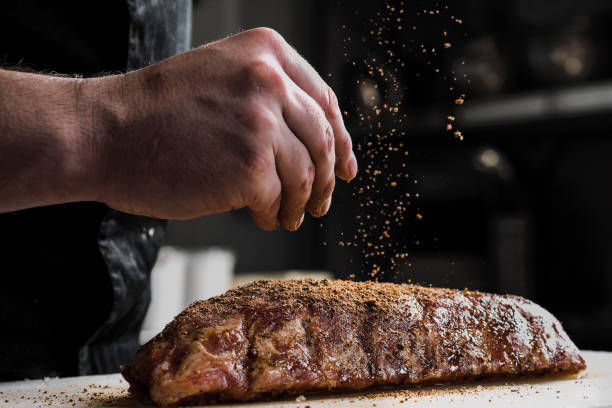
- Kosher Salt and Freshly Ground Black Pepper: Don’t be shy! A generous coating of salt and pepper is essential for creating a flavorful crust and enhancing the beef’s natural richness.
- High-Smoke-Point Oil: Use an oil like avocado, grapeseed, or canola oil that can withstand the high heat needed for searing without smoking or developing off-flavors.
- Unsalted Butter: Adding a knob of butter towards the end of cooking allows for basting, which adds incredible richness and a beautiful nutty flavor.
- Fresh Garlic and Herbs: Whole garlic cloves and sprigs of fresh rosemary or thyme added to the butter baste infuse the steak with subtle, sophisticated aromas.
Pro Tips for the Perfect Steak: Expert Secrets Revealed
Cooking the perfect steak is an art, and these insider tips will help you achieve restaurant-quality results every time. First and foremost, always bring your steak to room temperature before cooking. Take it out of the refrigerator at least 30-45 minutes before it hits the pan. This ensures the steak cooks evenly from the outside in. Second, pat your steak bone-dry with paper towels. Any moisture on the surface will create steam, which hinders the searing process and prevents that beautiful crust from forming. Third, use a heavy-bottomed pan, ideally cast iron. Cast iron retains heat incredibly well, providing the consistent high temperature needed for a superior sear. Fourth, don’t overcrowd the pan. If you’re cooking multiple steaks, do them in batches if necessary. Overcrowding drops the pan’s temperature and leads to steaming rather than searing. Finally, use a meat thermometer. This is the only foolproof way to ensure your steak is cooked to your exact desired level of doneness. No more guessing! A little precision goes a long way in achieving steak perfection.
Step-by-Step: Bringing Your Perfect Steak to Life
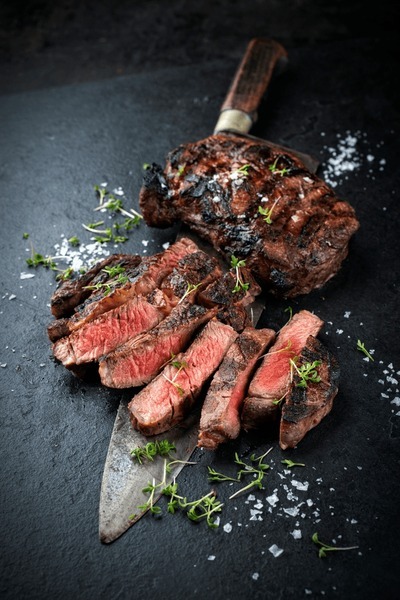
The journey to a perfect steak begins with choosing your cut and letting it rest on the counter to reach room temperature. Once it’s ready, pat it thoroughly dry with paper towels – this is crucial for that iconic sear. Season both sides generously with kosher salt and freshly ground black pepper, pressing the seasoning into the meat. Heat your cast-iron skillet over high heat until it’s smoking slightly. Add a tablespoon of high-smoke-point oil, swirling to coat the pan. Carefully place the steak in the pan, laying it away from you to avoid splatters. Now, the hardest part: leave it alone! Let it sear undisturbed for 3-4 minutes until a deep, golden-brown crust has formed. Flip the steak and sear the other side for another 3-4 minutes. Towards the last few minutes of cooking, reduce the heat slightly and add a generous knob of butter, smashed garlic cloves, and fresh herbs to the pan. As the butter melts and foams, tilt the pan and use a large spoon to continuously baste the steak with the flavorful butter. This adds incredible depth and ensures a moist finish. Use your meat thermometer to check for doneness (130-135°F for medium-rare). Once it reaches your target temperature, remove the steak from the pan and place it on a cutting board or warm plate. Now, for the final, most important step: let it rest for at least 5-10 minutes. This allows the juices to redistribute, ensuring every bite is tender and flavorful. Slice against the grain and serve immediately, perhaps with a final drizzle of those pan juices. The result is a stunning, restaurant-quality steak that’s sure to be the star of any meal.
Variations and Creative Twists: Beyond the Classic Sear
While a perfectly seared steak is a masterpiece in itself, there’s always room for a little creative flair! For a Peppercorn-Crusted Steak (Steak au Poivre), coat your steak in a thick layer of coarsely cracked black peppercorns before searing, and serve with a rich brandy cream sauce. If you’re looking for a bit of a kick, a Chimichurri Steak topped with a vibrant, herby Argentinian sauce provides a refreshing and tangy contrast to the rich beef. For a decadent twist, consider a Blue Cheese-Crusted Steak, topping your steak with a mixture of blue cheese crumbles and breadcrumbs during the final minutes of cooking and placing it under the broiler until golden and bubbly. You could also experiment with different compound butters – try a garlic-herb butter, a truffle butter, or even a spicy chipotle butter to add a unique flavor profile. Don’t be afraid to play with different cooking methods too, like reverse-searing for thicker cuts or grilling for that classic smoky flavor. The possibilities are as endless as your culinary imagination!
Frequently Asked Questions: Your Steak Queries Answered
Q: What is the best cut of steak for a beginner?
A: A Ribeye or a New York Strip are excellent choices as they are well-marbled and more forgiving than leaner cuts like Filet Mignon.
Q: How do I know when my steak is done without a thermometer?
A: While the “finger test” (comparing the firmness of the steak to the fleshy part of your palm) is a common method, it’s not always accurate. A meat thermometer is the only way to be 100% sure.
Q: Should I salt my steak way in advance?
A: Salting at least 45 minutes before cooking (or even the night before) allows the salt to penetrate the meat and improve both flavor and texture. If you don’t have time, salt it immediately before it hits the pan.
Q: Why is my steak tough?
A: This can be due to several factors: using a low-quality cut, overcooking the meat, or not letting the steak rest after cooking.
Q: Can I cook a steak from frozen?
A: While possible, it’s much harder to achieve an even cook and a good sear. It’s always best to thaw your steak completely in the refrigerator before cooking.
Conclusion: Your Path to Steakhouse Mastery
Mastering the art of the perfect steak is a rewarding journey that transforms a simple piece of meat into a truly extraordinary meal. This isn’t just about following a recipe; it’s about understanding the nuances of heat, timing, and technique that elevate home cooking to a professional level. So, gather your supplies, choose a beautiful cut of beef, and get ready to create some steakhouse magic. I encourage you to try these tips, experiment with the variations, and share your steak triumphs with me! Leave a comment below and let me know how your perfect steak turned out. Happy cooking, and I hope every bite is as juicy and flavorful as you imagined! Cheers to great food and even better company!

Tips for Cooking the Perfect Steak – Master the Art of Ribeye & Filet Mignon
Ingredients

Method
-
Remove steaks from the refrigerator 45 minutes before cooking to reach room temperature.
-
Pat the steaks thoroughly dry with paper towels on all sides.
-
Generously season both sides and the edges of the steaks with kosher salt and black pepper.
-
Press the seasoning into the meat to ensure it sticks.
-
Heat a large cast-iron skillet over high heat until it’s smoking slightly.
-
Add the oil and swirl to coat.
-
Carefully place the steaks in the pan and sear undisturbed for 3-4 minutes until a deep brown crust forms.
-
Flip the steaks and sear the other side for another 3-4 minutes.
-
Reduce the heat to medium-high.
-
Add the butter, garlic, and herbs to the pan.
-
Once the butter is foaming, tilt the pan and spoon the butter over the steaks continuously for 2-3 minutes.
-
Cook until a meat thermometer reads 130-135°F for medium-rare.
-
Remove steaks from the pan and place them on a cutting board.
-
Let the steaks rest for at least 10 minutes before slicing against the grain.