The Ultimate Comfort Dessert: Scrumptious Bread Pudding
There is something deeply nostalgic and comforting about a warm bowl of bread pudding. It’s the kind of dessert that feels like a hug in a bowl — simple, rustic, and incredibly satisfying. Originally created as a way to use up stale bread, bread pudding has evolved into a beloved classic that can be found on the menus of cozy diners and high-end restaurants alike. This Scrumptious Bread Pudding recipe is my absolute favorite, featuring a rich, custardy interior and a perfectly golden, slightly crisp top.
The beauty of bread pudding lies in its simplicity. With just a few basic ingredients — bread, eggs, milk, and sugar — you can create a dessert that is far greater than the sum of its parts. The key is to use the right kind of bread and to give it enough time to soak up the custard. This ensures that every bite is moist and flavorful, with no dry spots in sight.
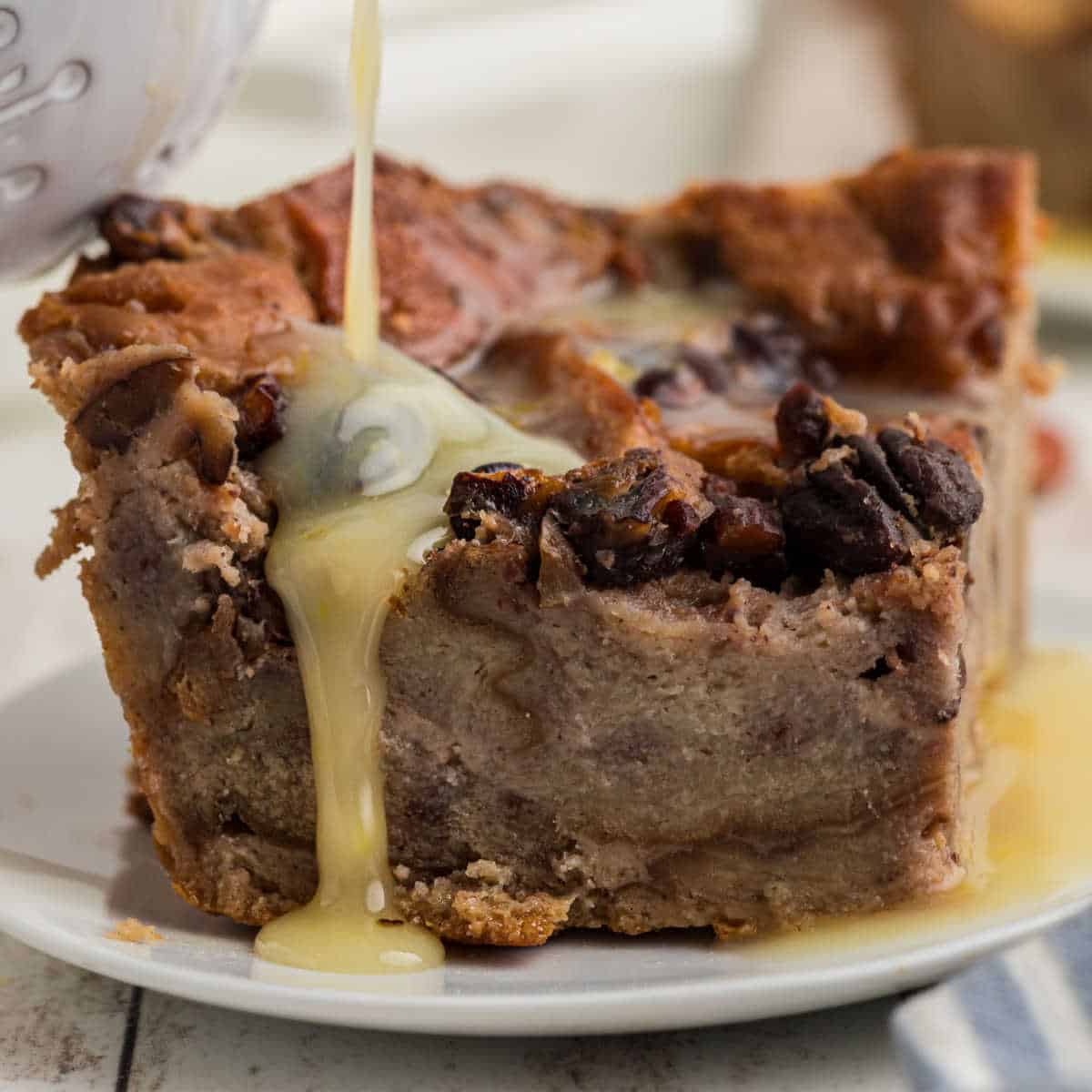
Whether you’re serving it for a holiday dinner, a weekend brunch, or just a cozy night in, this bread pudding is sure to be a hit. It’s best served warm, straight from the oven, with a generous drizzle of homemade vanilla sauce. Let’s walk through the steps to making this timeless dessert at home.
Why This Recipe Works
This recipe works because it finds the perfect balance between the bread and the custard. By using a combination of whole milk and heavy cream, we create a custard that is rich and indulgent without being overly heavy. The addition of vanilla, cinnamon, and nutmeg provides a warm, aromatic flavor profile that complements the sweetness of the sugar perfectly.
The choice of bread is also crucial. Day-old bread is actually better for bread pudding because it’s drier and can absorb more of the custard without becoming mushy. Using a rich bread like brioche or challah adds an extra layer of flavor and a beautiful, soft texture to the finished pudding. It’s a small detail that makes a big difference in the final result.
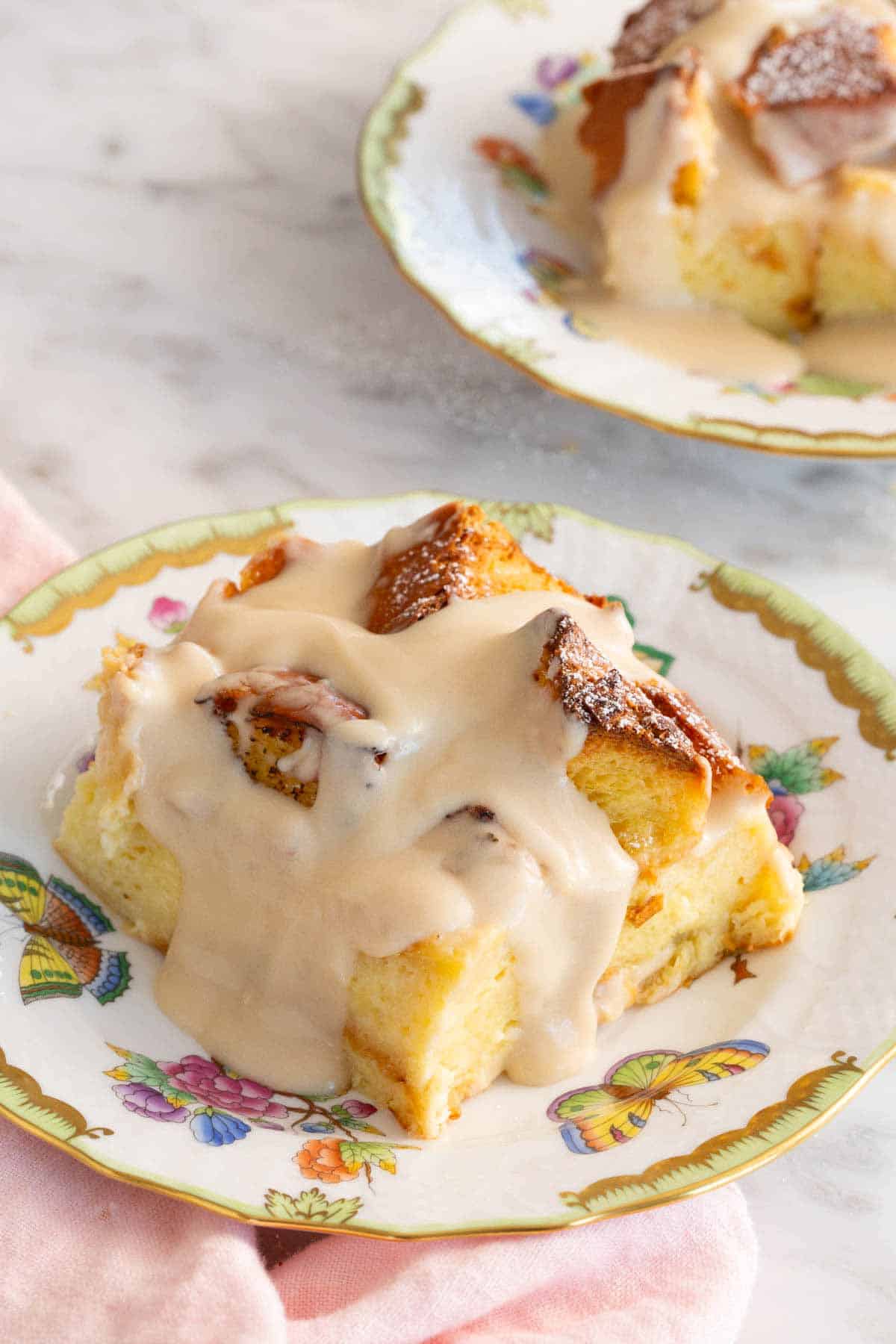
Finally, the vanilla sauce is the literal icing on the cake. It’s a simple butter-based sauce that adds a silky, creamy element to the dish. The hint of salt in the sauce helps to balance the sweetness and enhances the vanilla flavor. It’s the perfect finishing touch that takes this bread pudding from good to scrumptious.
Key Ingredients for Success
Day-Old Bread: As mentioned, stale bread is your best friend here. French bread, brioche, or challah are all excellent choices. If your bread is fresh, you can cube it and toast it in a low oven for 10-15 minutes to dry it out. This ensures that the bread maintains its structure and doesn’t turn into a soggy mess.
Heavy Cream and Whole Milk: Using a mix of both provides the perfect level of richness. The heavy cream adds a luxurious mouthfeel, while the whole milk keeps the custard from being too thick. Don’t be tempted to use skim milk — you need the fat for the best flavor and texture.
Vanilla Extract: Use a high-quality pure vanilla extract for the best flavor. Since vanilla is a primary flavor in both the pudding and the sauce, it’s worth investing in the good stuff. You can even use vanilla bean paste if you want those beautiful little specks of vanilla bean throughout.
Warm Spices: Cinnamon and nutmeg are the classic spices for bread pudding. They add a cozy, aromatic quality that makes the dessert feel extra special. Make sure your spices are fresh for the most vibrant flavor.
Pro Tips for the Perfect Bread Pudding
Let the bread soak! This is the most important step. Give the bread at least 15-20 minutes to absorb the custard before you put it in the oven. This ensures that the pudding is moist all the way through. If you’re in a hurry, you can even prep the mixture the night before and let it soak in the refrigerator overnight.
Don’t overbake. The bread pudding is done when it’s set but still has a slight jiggle in the center. Overbaking can lead to a dry, rubbery texture. Keep an eye on it during the last 5-10 minutes of baking and use a toothpick to check for doneness — it should come out clean but moist.
Grease your baking dish well. Use plenty of butter to grease the dish. Not only does this prevent the pudding from sticking, but it also adds a delicious, buttery flavor to the edges of the pudding. It’s a win-win!
Serve it warm. Bread pudding is at its absolute best when it’s served warm. If you have leftovers, you can easily reheat them in the microwave or a low oven. The vanilla sauce can also be reheated on the stove or in the microwave — just be careful not to let it boil.
Step-by-Step: Bringing It to Life
Start by cubing your bread and placing it in a large bowl. If you’re using raisins or chocolate chips, toss them in now. In a separate bowl, whisk together the eggs, milk, heavy cream, sugar, melted butter, vanilla, cinnamon, and nutmeg. This is your custard base, and it should smell absolutely divine.
Pour the custard over the bread cubes and press down gently to make sure every piece of bread is coated. Let the mixture sit for at least 15 minutes. This is the time when the magic happens — the bread will start to soften and soak up all those delicious flavors. Preheat your oven to 350°F while you wait.
Transfer the mixture to a greased 9×13 inch baking dish and bake for 40-45 minutes. You’re looking for a beautiful golden brown color on top and a set center. While the pudding is in the oven, you can whip up the vanilla sauce. It only takes a few minutes on the stove and adds so much to the finished dish.
Once the pudding is done, let it cool for a few minutes before serving. Drizzle the warm vanilla sauce over each portion and serve immediately. The combination of the warm, custardy pudding and the silky sauce is pure heaven. It’s a dessert that is sure to become a family favorite.
Variations and Creative Twists
For a fruity twist, try adding fresh berries or sliced peaches to the bread mixture before baking. The fruit adds a bright, tart element that cuts through the richness of the custard. You can also use different types of dried fruit, like cranberries or chopped apricots, for a different flavor profile.
If you’re a fan of nuts, try adding toasted pecans or walnuts to the pudding. They add a wonderful crunch and a nutty flavor that pairs beautifully with the cinnamon and nutmeg. You can even add a splash of bourbon or rum to the vanilla sauce for a more “grown-up” version of the dessert.
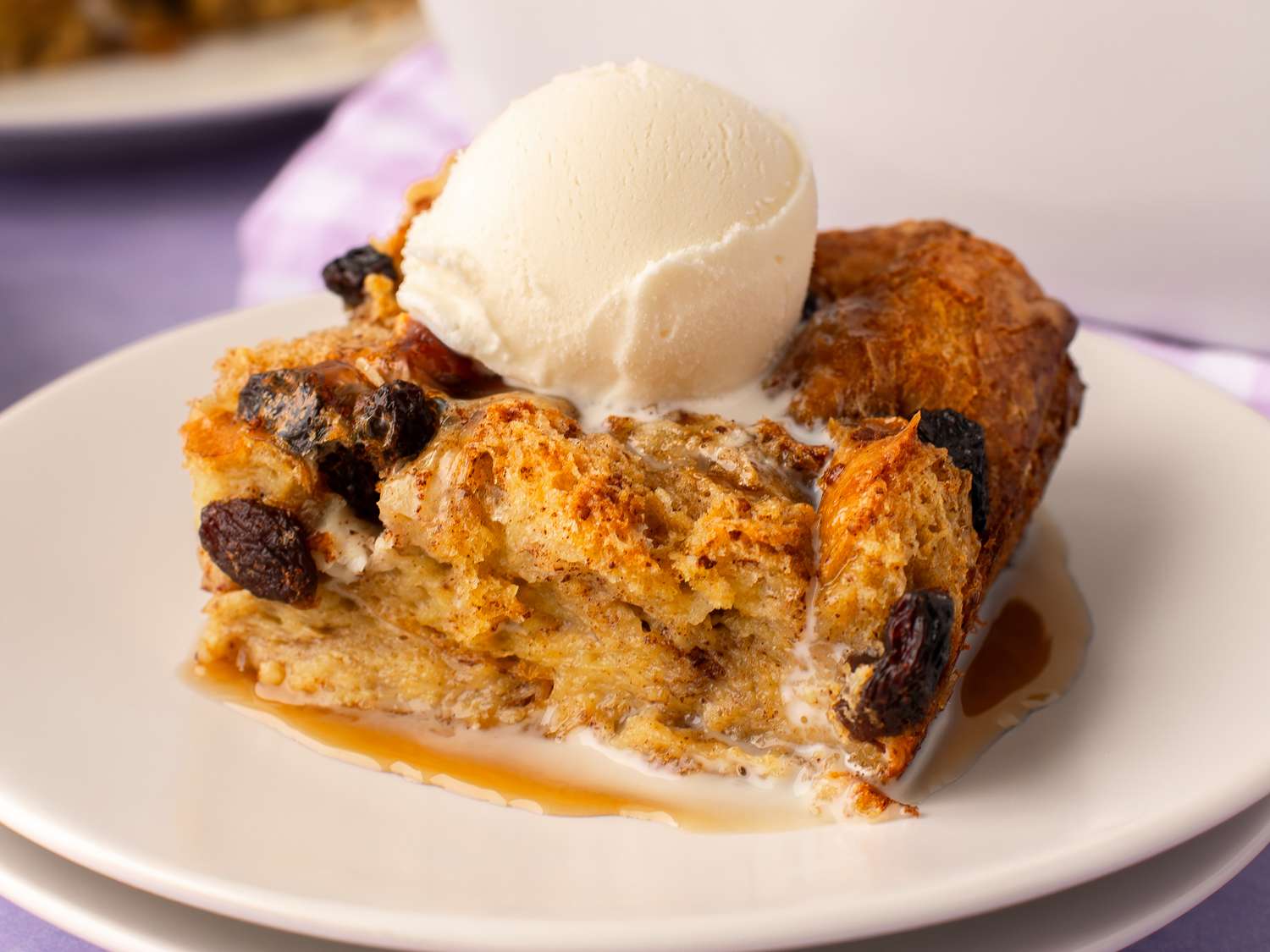
For a chocolate lover’s version, use chocolate babka instead of regular bread and add extra chocolate chips to the mixture. This creates an incredibly rich, decadent bread pudding that is perfect for special occasions. Serve it with a dollop of whipped cream or a scoop of vanilla ice cream for the ultimate treat.
Frequently Asked Questions
Q: Can I make this ahead of time? A: Yes! You can assemble the bread pudding and let it soak in the refrigerator overnight. This actually results in an even better texture as the bread has more time to absorb the custard. Just bake it fresh when you’re ready to serve.
Q: What kind of bread is best? A: Any sturdy, white bread will work, but brioche, challah, and French bread are the best choices. Avoid using very soft, thin sandwich bread as it can become too mushy. The richer the bread, the better the pudding!
Q: How should I store leftovers? A: Leftover bread pudding can be stored in an airtight container in the refrigerator for up to 4 days. Reheat individual portions in the microwave for 30-60 seconds, or until warm. The vanilla sauce should also be stored in the refrigerator and reheated before serving.
Q: Can I freeze bread pudding? A: Yes, you can freeze baked bread pudding for up to 2 months. Wrap it tightly in plastic wrap and then aluminum foil. Thaw it in the refrigerator overnight before reheating. The texture may be slightly different after freezing, but it will still be delicious.
A Timeless Classic for Every Occasion
This Scrumptious Bread Pudding is a testament to the power of simple, high-quality ingredients. It’s a dessert that never goes out of style and is always a crowd-pleaser. Whether you’re making it for a special celebration or just a quiet night at home, I hope it brings as much comfort and joy to your table as it does to mine.
Give this recipe a try and let me know what you think! Don’t forget to leave a comment and share your favorite bread pudding variations. Happy baking!
6cupscubed day-old breadFrench bread, brioche, or challah
4large eggs
2cupswhole milk
1cupheavy cream
3/4cupgranulated sugar
1/4cupunsalted buttermelted
1tablespoonvanilla extract
1teaspoonground cinnamon
1/4teaspoonground nutmeg
1/2cupraisins or chocolate chipsoptional
For the Vanilla Sauce
1/2cupunsalted butter
1/2cupgranulated sugar
1/2cupheavy cream
1tablespoonvanilla extract
Pinchof salt
Method
Preparation
Preheat oven to 350°F (175°C). Grease a 9×13 inch baking dish with butter.
Place the bread cubes in a large bowl. If using raisins or chocolate chips, toss them with the bread.
Making the Custard
In a separate bowl, whisk together the eggs, milk, heavy cream, sugar, melted butter, vanilla, cinnamon, and nutmeg.
Pour the custard mixture over the bread cubes. Press down gently with a spatula to ensure all the bread is submerged.
Let the mixture sit for 15-20 minutes to allow the bread to soak up the custard.
Baking and Serving
Transfer the mixture to the prepared baking dish. Bake for 40-45 minutes, or until the pudding is set and the top is golden brown.
While the pudding bakes, make the vanilla sauce: combine butter, sugar, and cream in a small saucepan over medium heat. Bring to a simmer, stirring constantly, until the sugar is dissolved. Remove from heat and stir in vanilla and salt.
Serve the warm bread pudding with a generous drizzle of vanilla sauce. Enjoy!