
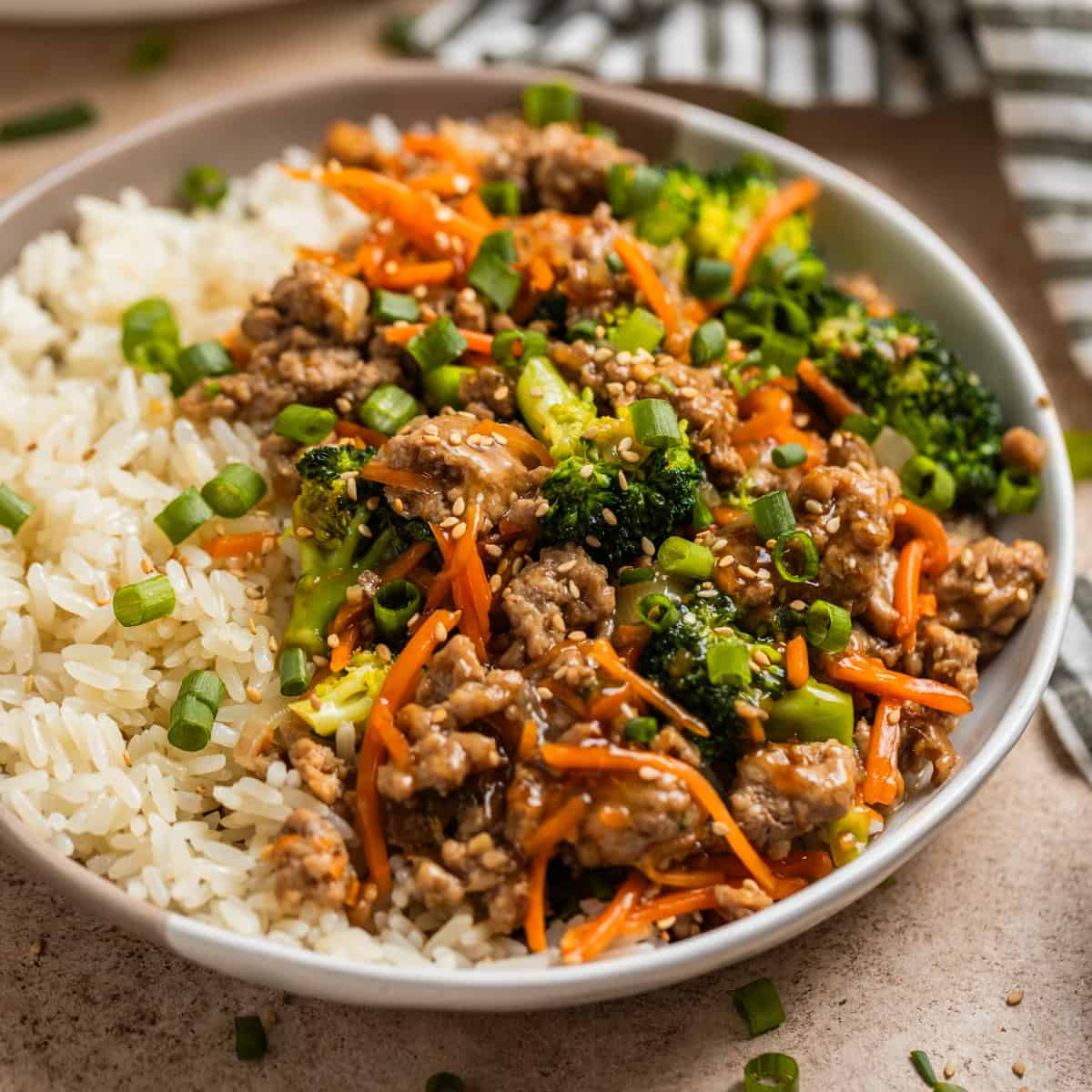
The Ground Turkey Teriyaki Stir Fry is a culinary masterpiece of convenience, flavor, and nutrition, perfectly suited for the demands of a busy weeknight. It’s a dish that effortlessly marries the savory, umami-rich notes of a classic teriyaki glaze with the lean, versatile protein of ground turkey and a vibrant medley of crisp-tender vegetables. This recipe is not just about speed; it’s about delivering a deeply satisfying, restaurant-quality meal with minimal fuss and maximum flavor impact.
The beauty of a stir fry lies in its adaptability. While the core elements—protein, sauce, and vegetables—remain constant, the specific choices allow for endless customization based on what you have on hand or what your family prefers. Using ground turkey is a brilliant choice here, as it absorbs the rich teriyaki sauce far better than larger cuts of meat, ensuring every bite is infused with that signature sweet and salty flavor. This article will guide you through mastering the technique, from crafting a superior homemade teriyaki sauce to achieving the perfect texture in your vegetables, ensuring your stir fry is anything but ordinary.
The Magic of Ground Turkey in Stir Fry
Ground turkey has emerged as a powerhouse ingredient in modern, health-conscious cooking. Its neutral flavor profile makes it an excellent canvas for bold sauces, and its fine texture integrates seamlessly into the stir-fry, coating every grain of rice and piece of vegetable with flavor. Unlike ground beef, which can sometimes release excess fat and water, ground turkey remains lean and light, contributing to a cleaner, fresher-tasting dish.
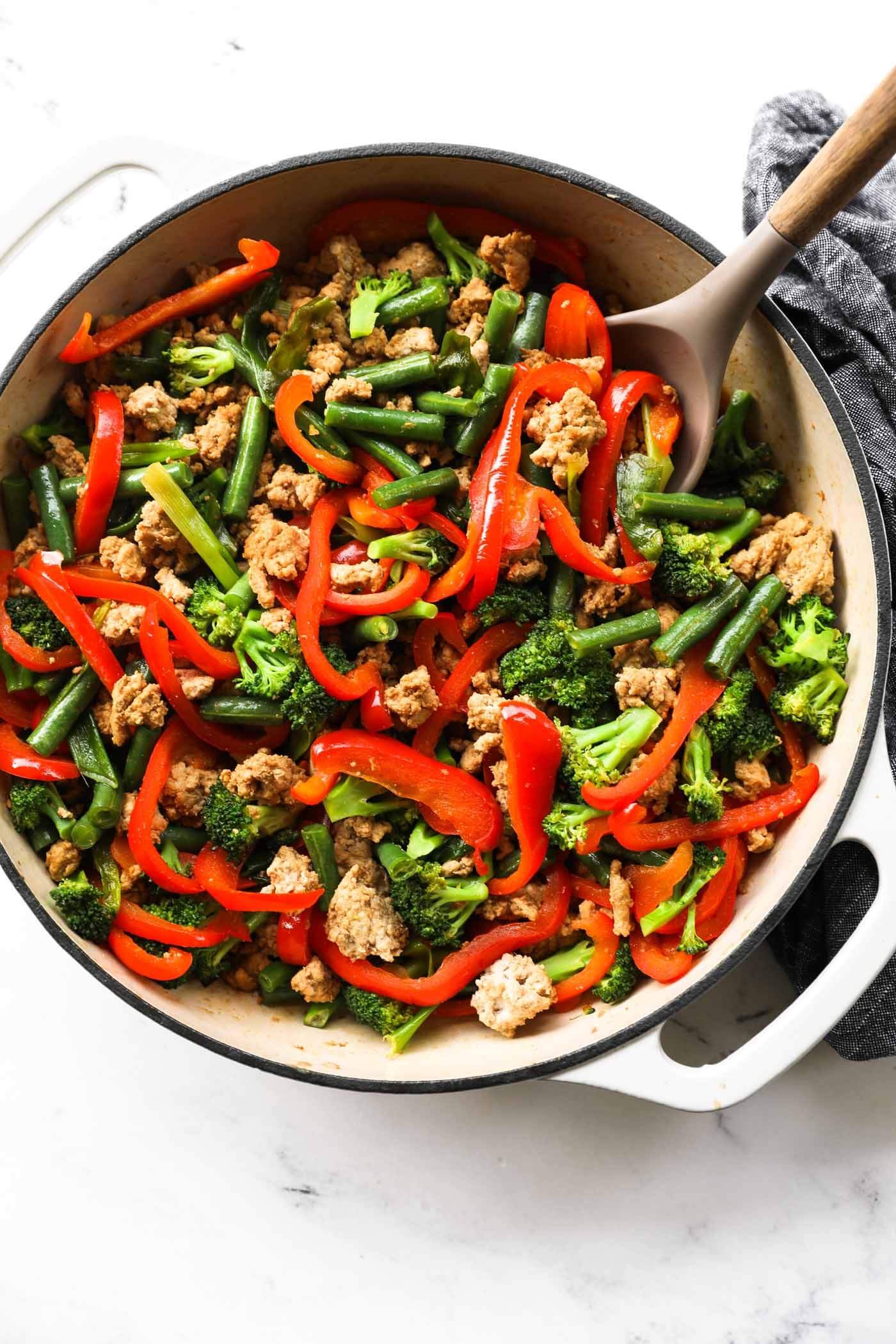

The primary advantage of using ground turkey is its speed of cooking. It browns quickly and evenly, drastically cutting down on the total preparation time. This is a crucial factor when aiming for a sub-30-minute meal. Furthermore, ground turkey is an incredibly lean source of protein, making this stir fry a fantastic option for those monitoring their fat intake or looking for a lighter alternative to traditional beef or pork stir-fries.
# Why Choose Turkey Over Beef or Chicken?
While chicken and beef are common stir-fry proteins, ground turkey offers a unique set of benefits. **Ground chicken** can sometimes be too fine and dry out easily, requiring careful attention. **Ground beef**, while flavorful, often necessitates draining off excess grease, adding an extra step and potentially dulling the vibrancy of the sauce. Ground turkey, particularly the 93% lean variety, strikes the perfect balance. It holds its shape, remains moist, and its mild flavor allows the teriyaki sauce to truly shine as the star of the dish. It is also often a more **economical choice**, providing high-quality protein without the premium price tag of some other meats.
Crafting the Perfect Homemade Teriyaki Sauce
The soul of any teriyaki stir fry is its sauce. While store-bought options are convenient, a homemade teriyaki sauce elevates this dish from good to **extraordinary**. It allows for precise control over the sweetness, saltiness, and thickness, ensuring a glaze that perfectly coats the turkey and vegetables without being overly syrupy or thin.
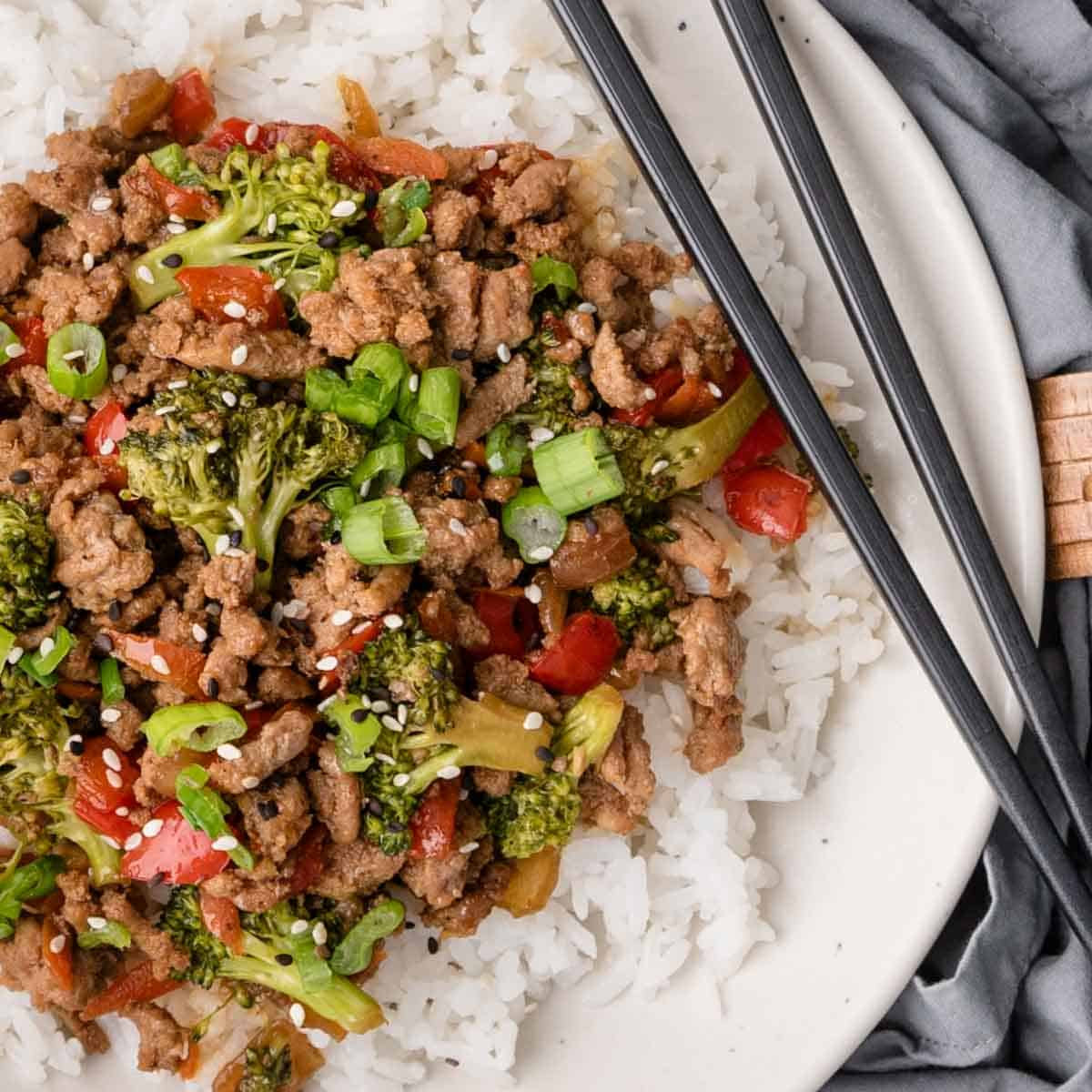
Our superior teriyaki sauce relies on a few key components that work in harmony to create that signature umami profile. The base is a combination of soy sauce (or tamari for a gluten-free option) and rice vinegar, providing the essential salty and tangy foundation. The sweetness comes from honey or brown sugar, which also helps the sauce caramelize beautifully on the meat. The aromatic depth is achieved through generous amounts of freshly grated ginger and minced garlic. These fresh ingredients are non-negotiable; they provide a brightness that powdered alternatives simply cannot replicate.

# The Essential Ingredients for Umami
Umami, often described as the fifth taste, is the savory depth that makes teriyaki so addictive. In this recipe, the umami is primarily delivered by the **soy sauce** and the natural glutamates released by the **ground turkey** as it browns. A splash of **mirin** (Japanese sweet rice wine) can be added for an authentic layer of complexity, though it is optional. The combination of sweet, salty, and pungent flavors creates a balanced, multi-layered taste experience.
# Adjusting Sweetness and Thickness
A common pitfall in stir-fry is a sauce that is either too runny or too thick. The secret to the perfect glaze is **cornstarch**. Whisking a small amount of cornstarch with cold water to create a slurry before adding it to the hot sauce is the key to achieving a glossy, thick coating. Start with a conservative amount, as you can always add more if needed.
For sweetness, the ratio of honey or brown sugar to soy sauce is critical. A good starting point is a 1:2 ratio (e.g., half a cup of sweetener to one cup of soy sauce), but this can be adjusted to personal preference. If you prefer a less sweet, more savory profile, reduce the sweetener. If you are using a low-sodium soy sauce, you may need to slightly increase the amount to maintain the desired saltiness. Taste as you go—this is the most important rule for any sauce.
The Art of the Stir Fry: Technique and Timing
Stir-frying is a cooking method that demands high heat and constant motion, hence the name. It’s a quick-cooking process that preserves the vibrant color and crisp texture of the vegetables while ensuring the meat is cooked through. Mastering the technique is what separates a soggy, stewed dish from a bright, crisp, and flavorful stir fry.
# Prepping Your Vegetables for Success
The most time-consuming part of any stir fry is the preparation, but it is also the most crucial. All ingredients must be prepped and ready to go before the heat is turned on, as the cooking process moves very quickly.
- Uniformity: Cut all vegetables into roughly uniform sizes. This ensures they cook evenly. For example, broccoli florets should be similar in size to your bell pepper slices.
- Hard vs. Soft: Separate your vegetables into two groups: hard (carrots, broccoli, snap peas) and soft (bell peppers, mushrooms, leafy greens). The hard vegetables will need a head start in the wok or skillet.
- Drying: Ensure your vegetables are completely dry. Any residual water will lower the temperature of the pan, leading to steaming instead of searing, which results in a soggy texture.
# High Heat is Your Friend
A proper stir fry requires **high heat**. This is essential for achieving the characteristic smoky flavor, known as *wok hei* in Cantonese cooking, and for quickly searing the ingredients. Use a large wok or a wide, heavy-bottomed skillet.
1. Heat the Oil: Start by heating a high smoke point oil, such as avocado or sesame oil, until it is shimmering.
2. Cook the Turkey: Add the ground turkey and break it up with a spoon. Cook until it is fully browned and no pink remains. Drain any excess liquid if necessary, though with lean turkey, this is often minimal.
3. Sauté the Hard Vegetables: Remove the turkey and set it aside. Add a little more oil and then the hard vegetables. Stir-fry for 3-4 minutes until they begin to soften but still have a bite.
4. Add the Soft Vegetables: Introduce the soft vegetables and stir-fry for another 1-2 minutes. The goal is crisp-tender, not mushy.
# When to Add the Sauce
The sauce is always added at the very end. Once the vegetables are cooked to your desired crispness and the turkey is back in the pan, pour the prepared teriyaki sauce over everything. The high heat will immediately activate the cornstarch, causing the sauce to thicken rapidly into a glossy glaze. **Toss constantly** for about 60 to 90 seconds until the sauce has reduced slightly and evenly coats all the ingredients. Overcooking at this stage will result in a sticky, overly thick sauce and overcooked vegetables.
Nutritional Profile and Health Benefits
The **Ground Turkey Teriyaki Stir Fry** is a remarkably healthy meal, especially when compared to takeout versions which are often loaded with excessive sodium, sugar, and oil. By preparing it at home, you maintain control over all ingredients, maximizing its nutritional value.
# Lean Protein Power
Ground turkey is an excellent source of **lean protein**, which is vital for muscle repair, immune function, and sustained energy. A typical serving of ground turkey provides a significant portion of the daily recommended protein intake with fewer saturated fats than many other ground meats. This makes the stir fry a **heart-healthy** and **weight-management-friendly** option.
# Vegetable Variety and Micronutrients
The inclusion of a wide array of vegetables—broccoli, carrots, bell peppers, and snap peas—turns this dish into a powerhouse of **vitamins, minerals, and dietary fiber**.
| Vegetable | Key Nutrient | Health Benefit |
| :— | :— | :— |
| **Broccoli** | Vitamin C, Vitamin K | Supports immune system and bone health |
| **Carrots** | Beta-Carotene (Vitamin A) | Essential for vision and skin health |
| **Bell Peppers** | Vitamin C, Antioxidants | Reduces inflammation and boosts immunity |
| **Snap Peas** | Fiber, Folate | Aids digestion and supports cell growth |
The fiber content in the vegetables also contributes to a feeling of fullness, helping with portion control and overall calorie management.
Serving Suggestions and Variations
While traditionally served over white rice, the **Ground Turkey Teriyaki Stir Fry** is incredibly versatile and can be paired with numerous sides to suit different dietary needs and flavor preferences.
# Beyond White Rice: Quinoa, Noodles, or Cauliflower Rice
* **Brown Rice:** Offers a nuttier flavor and significantly more fiber than white rice.
* **Quinoa:** A complete protein and gluten-free option that adds a fluffy, light texture.
* **Noodles:** Toss the stir fry with cooked udon, soba, or ramen noodles for a heartier, one-pan meal.
* **Cauliflower Rice:** For a low-carb, keto-friendly alternative, serve the stir fry over finely riced and sautéed cauliflower.
# Spice it Up: Adding Heat
If you prefer a kick of heat, there are several ways to incorporate it:
1. Sriracha or Chili Garlic Sauce: Stir a teaspoon or two directly into the teriyaki sauce mixture.
2. Red Pepper Flakes: Add a pinch of red pepper flakes to the oil when sautéing the vegetables.
3. Fresh Chili: Finely mince a jalapeño or serrano pepper and sauté it with the garlic and ginger.
# Garnish for Flavor and Presentation
Garnishes are not just for looks; they add a final layer of texture and flavor that completes the dish.
- Toasted Sesame Seeds: Adds a nutty crunch and visual appeal.
- Sliced Green Onions (Scallions): Provides a fresh, sharp, allium bite.
- Cashews or Peanuts: For a substantial crunch and healthy fats.
- A Drizzle of Sesame Oil: A few drops of toasted sesame oil just before serving will amplify the overall aroma.
Troubleshooting Common Stir Fry Issues
Even experienced cooks can run into issues with stir-frying. Here are solutions to the two most common problems:
# Soggy Vegetables
This is the number one complaint about homemade stir-fries. It is almost always caused by one of two things: **low heat** or **overcrowding the pan**.
- Solution: Ensure your pan is screaming hot before adding any ingredients. Cook the vegetables in small batches if necessary. If you try to cook too many vegetables at once, the temperature will drop, and the vegetables will steam in their own moisture instead of searing. Also, remember the rule of separating hard and soft vegetables to ensure proper cooking times.
# Bland Flavor
If your stir fry lacks the punch you expect, the issue is likely in the sauce or the seasoning of the meat.
- Solution: Season the ground turkey with salt and pepper *before* adding the sauce. This builds a foundational layer of flavor. For the sauce, ensure you are using high-quality soy sauce and fresh aromatics (ginger and garlic). If the flavor is still flat, a tiny splash of fish sauce or a few drops of MSG (monosodium glutamate) can dramatically boost the umami without adding excessive salt.
Conclusion
The **Ground Turkey Teriyaki Stir Fry** is the epitome of smart, flavorful home cooking. It’s a flexible recipe that caters to various tastes and dietary needs, delivering a complete, balanced meal in under 30 minutes. By focusing on a high-quality homemade teriyaki sauce, proper vegetable preparation, and the high-heat technique of stir-frying, you can consistently achieve a dish that is vibrant, texturally perfect, and deeply satisfying. This recipe proves that fast food can indeed be **fresh food**, making it a permanent fixture in your weeknight rotation. Enjoy the process and the delicious, healthy results!
Ground Turkey Teriyaki Stir Fry
Ingredients
Method
- In a small bowl, whisk together the soy sauce, 1/4 cup water, honey, rice vinegar, ginger, and garlic. Set aside.
- In a separate tiny bowl, whisk the cornstarch with 2 tablespoons of cold water to create a slurry. Set aside.
- Heat the sesame oil in a large wok or skillet over medium-high heat.
- Add the ground turkey and season with salt and pepper. Cook, breaking up the meat with a spoon, until fully browned. Drain any excess liquid and set the turkey aside.
- Add the chopped onion and broccoli florets to the same pan. Stir fry for 3-4 minutes until the broccoli is bright green and slightly tender.
- Add the sliced carrots, red bell pepper, and snap peas. Continue to stir fry for another 2 minutes until the vegetables are crisp-tender.
- Return the cooked ground turkey to the pan with the vegetables. Stir to combine.
- Give the teriyaki sauce a quick whisk and pour it over the turkey and vegetables.
- Bring the sauce to a simmer. Stir in the cornstarch slurry and cook for 60-90 seconds, stirring constantly, until the sauce has thickened into a glossy glaze that coats all the ingredients.
- Remove from heat and serve immediately over rice, garnished with sesame seeds and sliced green onions.