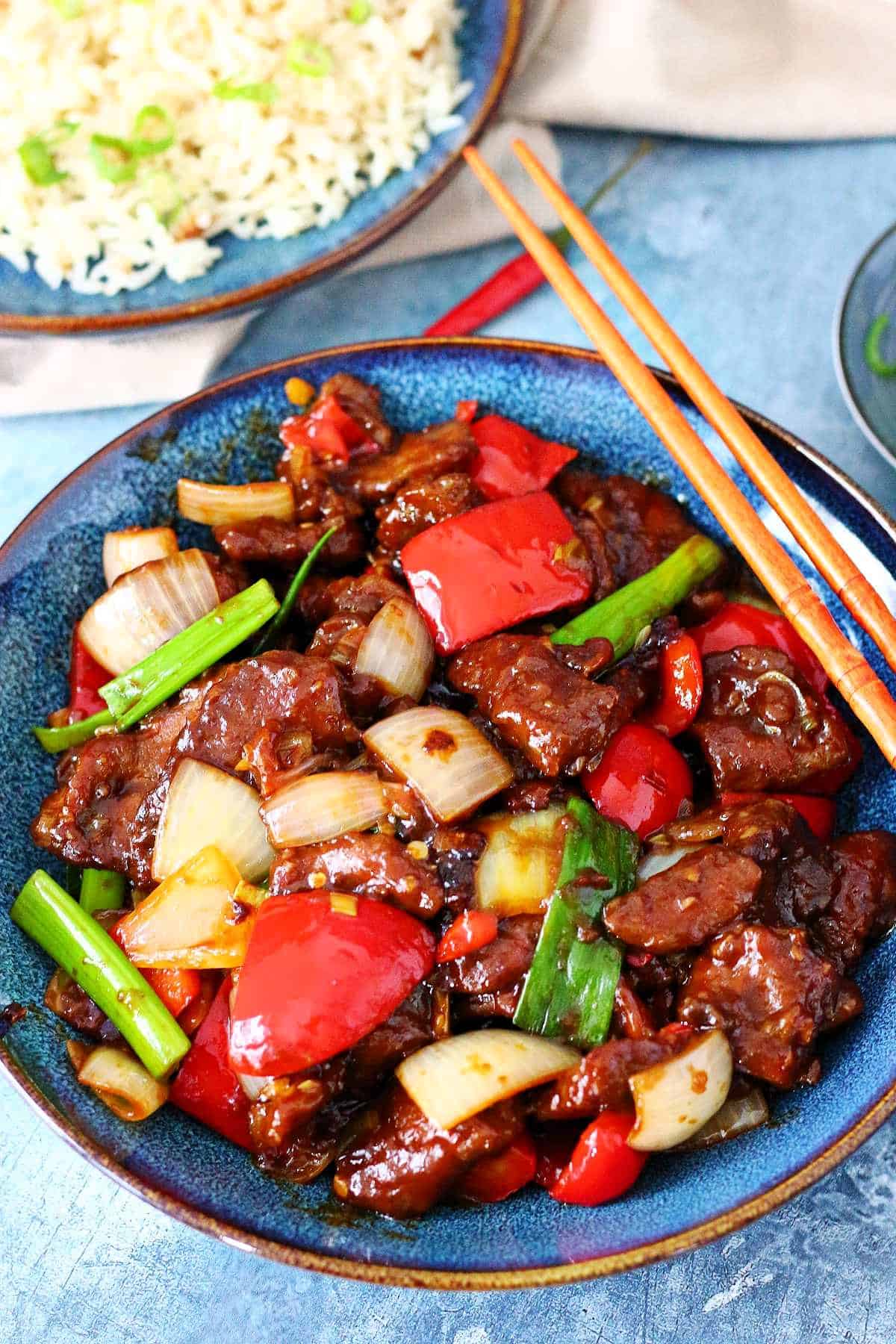
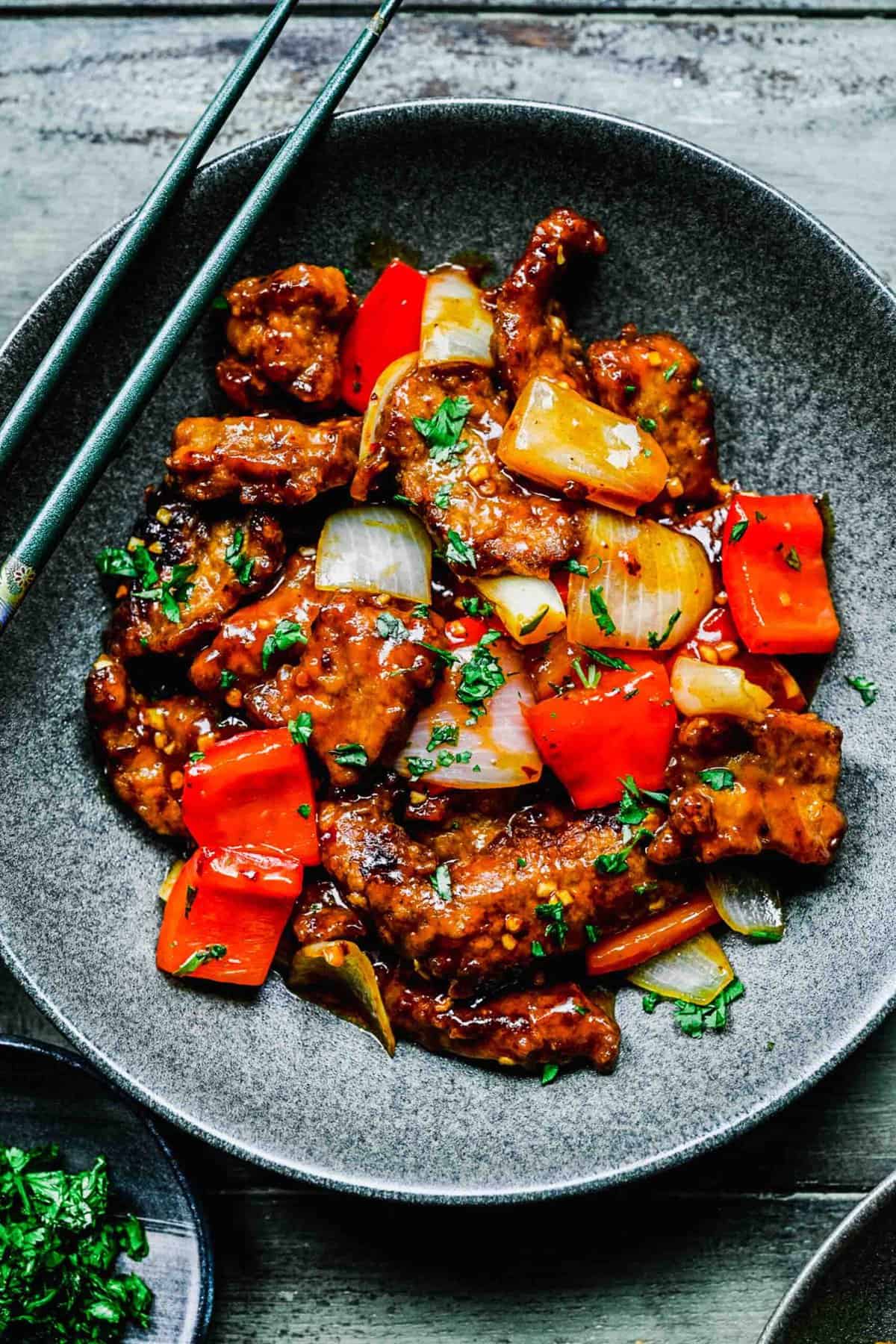
The Ultimate Guide to Beijing Beef
Beijing Beef is a masterpiece of Chinese-American cuisine, a dish that perfectly encapsulates the harmony of contrasting textures and flavors. While its name might suggest ancient roots in the imperial kitchens of Beijing, this dish is actually a modern classic, popularized by the fusion of traditional stir-fry techniques with American culinary preferences. It is a dish defined by its “crunch”—thinly sliced strips of beef that are battered and fried until they achieve a glass-like crispness, then tossed in a vibrant, multi-dimensional sauce that is simultaneously sweet, tangy, and spicy.
In this comprehensive guide, we will explore the secrets behind creating the perfect Beijing Beef at home. We will delve into the science of “velveting” meat, the architecture of the perfect frying batter, and the complex layering of ingredients that makes the sauce so addictive. Whether you are a fan of the famous Panda Express version or a home cook looking to elevate your stir-fry game, this article will provide you with everything you need to achieve Beijing Beef perfection.
The Foundation: Selecting and Preparing the Beef
The success of Beijing Beef begins with the choice of meat. To achieve that signature “melt-in-your-mouth” interior with a crispy exterior, you need a cut that is lean yet flavorful.

# Choosing the Right Cut
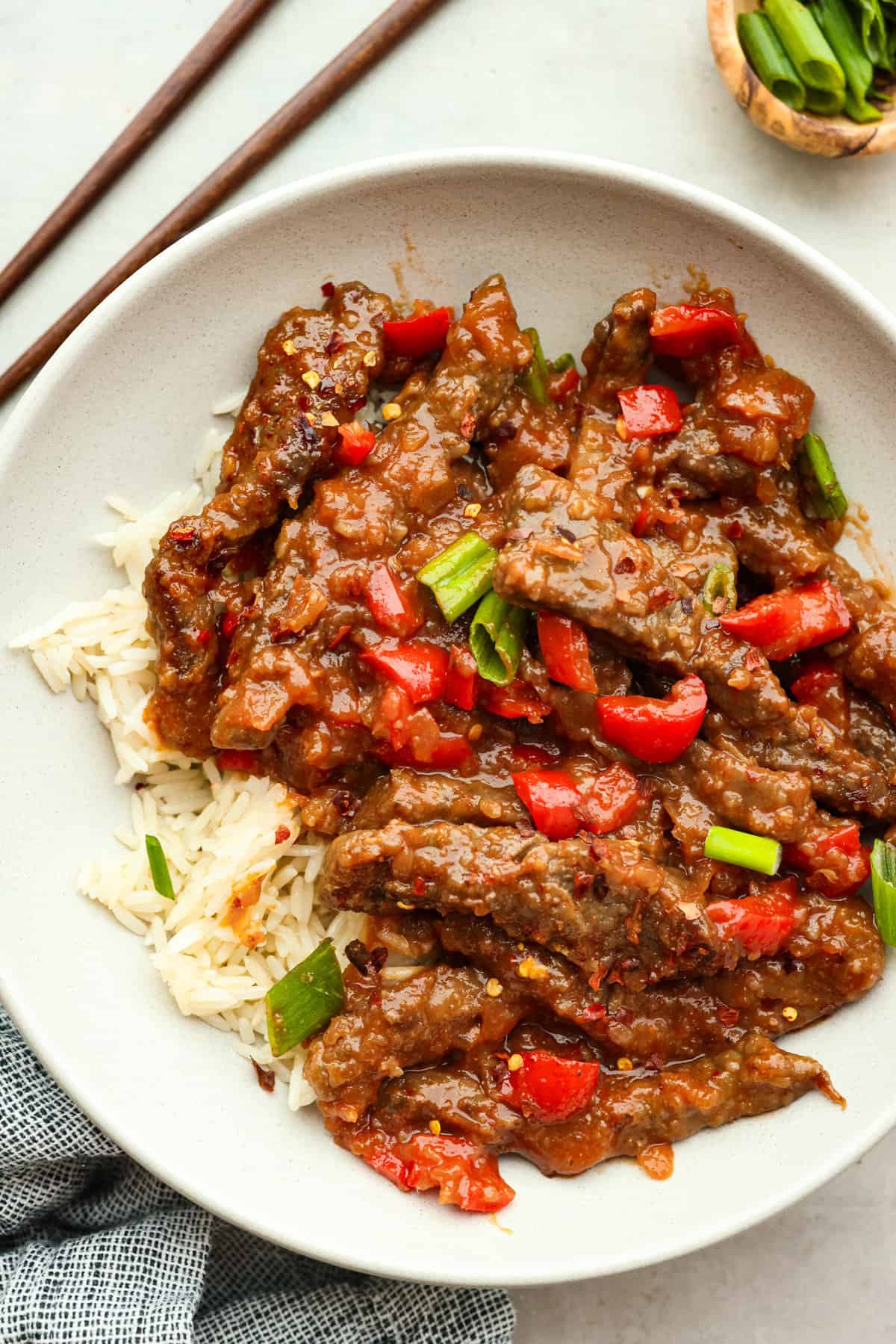
Flank steak is the gold standard for this dish. It has a long, distinct grain that makes it easy to slice and a robust beefy flavor that stands up well to the bold sauce. Other excellent options include sirloin or even a well-trimmed eye of round. The key is to avoid cuts with too much connective tissue or gristle, as the quick cooking time won’t allow them to break down.
# The Art of Slicing
How you slice the beef is just as important as the cut itself. You must always slice **against the grain**. By cutting across the muscle fibers, you shorten them, making the meat significantly more tender. For Beijing Beef, aim for very thin strips, about 1/4 inch thick and 2 inches long. This maximizes the surface area for the batter to cling to, ensuring every bite is packed with crunch.
# Velveting: The Secret to Tenderness
Before the beef is battered, it undergoes a process known as “velveting.” This involves marinating the meat in a mixture of soy sauce, rice wine (or dry sherry), and a touch of baking soda. The baking soda is the secret weapon here; it slightly raises the pH of the meat’s surface, preventing the proteins from bonding too tightly when heated. This results in beef that remains incredibly tender and juicy, even after being deep-fried.
The Architecture of the Batter
The hallmark of Beijing Beef is its incredible crunch. Achieving this requires a specific type of batter that is light enough to be crispy but sturdy enough to hold onto the sauce without becoming soggy.

# The Cornstarch and Flour Blend
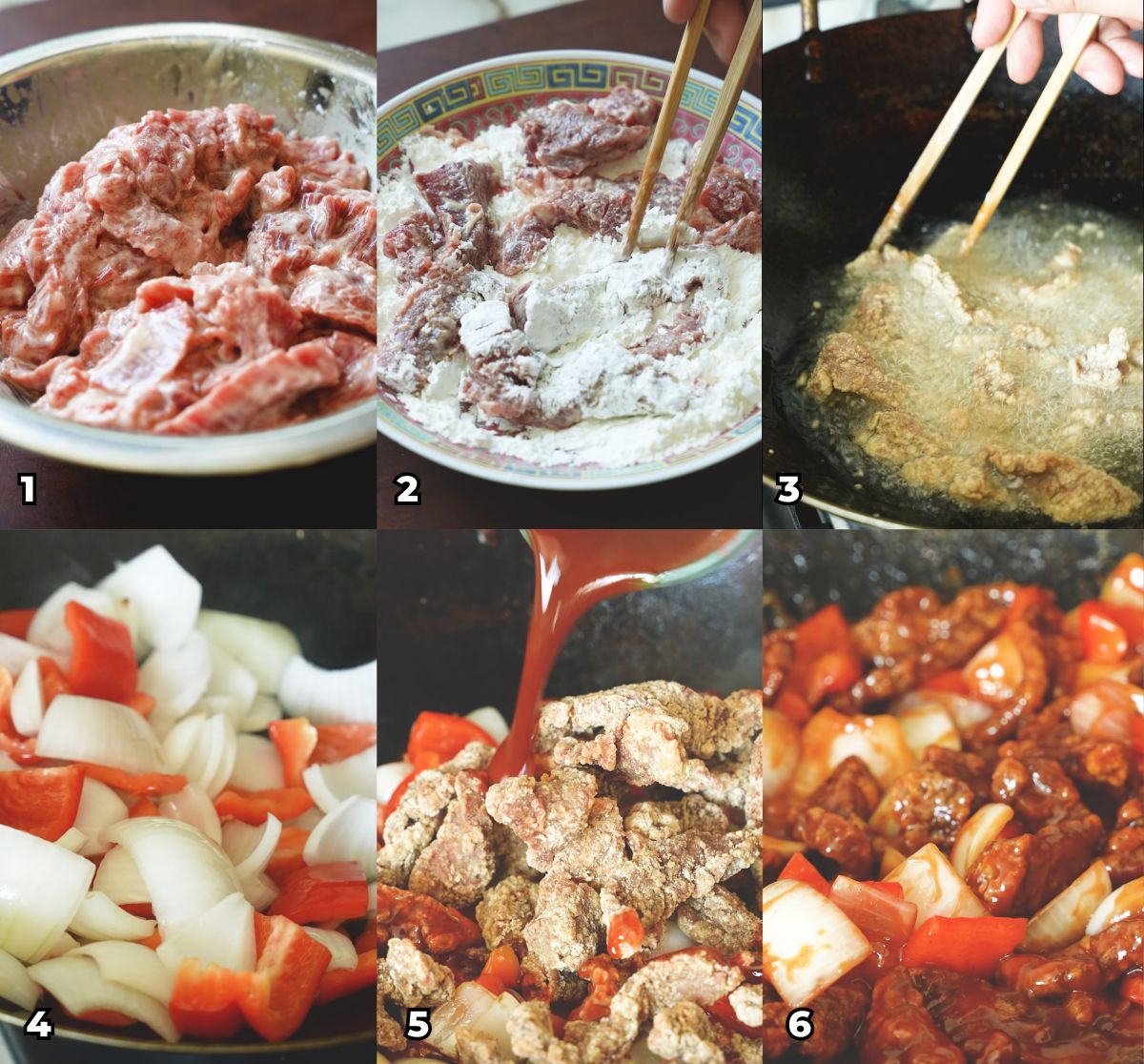
A mixture of cornstarch and all-purpose flour is the key. Cornstarch provides the “snap” and prevents gluten development, while the flour adds body and helps with browning. We also incorporate egg whites into the marinade before dredging. The proteins in the egg white act as a glue, ensuring the dry coating adheres perfectly to the meat and creates a moisture seal that prevents the beef from drying out in the hot oil.
# Frying for Maximum Crispness
To get the best results, the beef should be fried in small batches. Overcrowding the pan will drop the oil temperature, leading to greasy, soggy beef. The oil should be around 375°F. The beef only needs a few minutes to become golden brown and crispy. For those who want an extra level of crunch, a “double fry”—where the beef is fried once, removed, and then fried again for 30 seconds at a higher temperature—is a professional technique that yields spectacular results.
The Sauce: A Symphony of Sweet and Spicy
The sauce is what ties the entire dish together. It is a complex reduction that hits every part of the palate.
# The Sweet Base
The sweetness comes from a combination of Thai sweet chili sauce and hoisin sauce. Hoisin provides a deep, fermented richness, while the sweet chili sauce adds a bright, sugary heat. A touch of granulated sugar is often added to further balance the acidity of the vinegar.
# The Tangy Contrast
Red wine vinegar and a splash of orange juice provide the necessary acidity. The orange juice is a subtle but critical addition; its citrus notes brighten the entire dish and cut through the richness of the fried beef and the savory hoisin.
# The Savory Umami
Soy sauce and oyster sauce provide the savory backbone. Oyster sauce, in particular, adds a thick, syrupy consistency and an earthy depth that makes the sauce feel truly gourmet.
# The Spicy Kick
The heat in Beijing Beef is customizable. Red pepper flakes are the traditional choice, allowing you to dial the spice level up or down depending on your preference. When the sauce is tossed with the hot beef in a wok, it reduces slightly, becoming a thick, glossy glaze that coats every nook and cranny of the crispy meat.
The Stir-Fry: Bringing it All Together
While the beef is the star, the vegetables provide essential texture and aromatic depth.
# The Aromatics
Freshly minced garlic and ginger are sautéed first to infuse the oil with flavor. These are the “soul” of any good stir-fry, providing a fragrant base that elevates the entire dish.
# The Vegetables
Onions and bell peppers (red and green) are the classic choices for Beijing Beef. They should be cut into 1-inch pieces and stir-fried quickly over high heat. The goal is to achieve a “crisp-tender” texture—they should be cooked through but still have a satisfying snap. The vibrant colors of the peppers also make the dish visually stunning.
Tips for Success
1. **Dry the Meat:** After marinating and before dredging, ensure the meat isn’t dripping with liquid. A light coating of egg white is all you need.
2. **Oil Temperature:** Use a thermometer. If the oil is too cold, the batter will absorb it and become greasy. If it’s too hot, the outside will burn before the inside is cooked.
3. **The Final Toss:** Only toss the beef in the sauce at the very last second before serving. This ensures the beef stays as crispy as possible for the diner.
4. **Wok Hei:** If you have a wok, use it! The high sides and thin metal allow for the “breath of the wok,” a slight smoky char that adds an authentic restaurant-quality flavor.
Conclusion
Beijing Beef is more than just a takeout favorite; it is a celebration of culinary technique and flavor balancing. By taking the time to properly prepare the beef, master the batter, and layer the sauce ingredients, you can create a dish that is truly “perfection.” It is a rewarding process that results in a meal that is guaranteed to impress. So, fire up your wok, get your oil hot, and prepare to enjoy the crispy, sweet, and spicy delight that is Beijing Beef!
Beijing Beef Crispy Sweet and Spicy Perfection
Ingredients
Method
-
In a bowl, combine the beef slices with the marinade ingredients. Let sit for 30 minutes.
-
Whisk all the sauce ingredients together in a separate bowl and set aside.
-
Stir the egg whites into the marinated beef until well coated.
-
In a large bowl, mix the cornstarch and flour. Dredge the beef strips in the mixture until fully coated.
-
Heat oil in a wok or deep pan to 375°F. Fry the beef in batches until golden brown and crispy (about 2-3 minutes).
-
Remove the beef and drain on a wire rack or paper towels.
-
Heat 1 tbsp of oil in a wok. Sauté the garlic and ginger until fragrant.
-
Add the onions and bell peppers. Stir-fry for 2-3 minutes until crisp-tender.
-
Pour in the sauce and bring to a simmer until it thickens slightly.
-
Add the crispy beef back into the wok and toss quickly to coat every piece in the glaze.
-
Serve immediately over steamed rice or chow mein.