
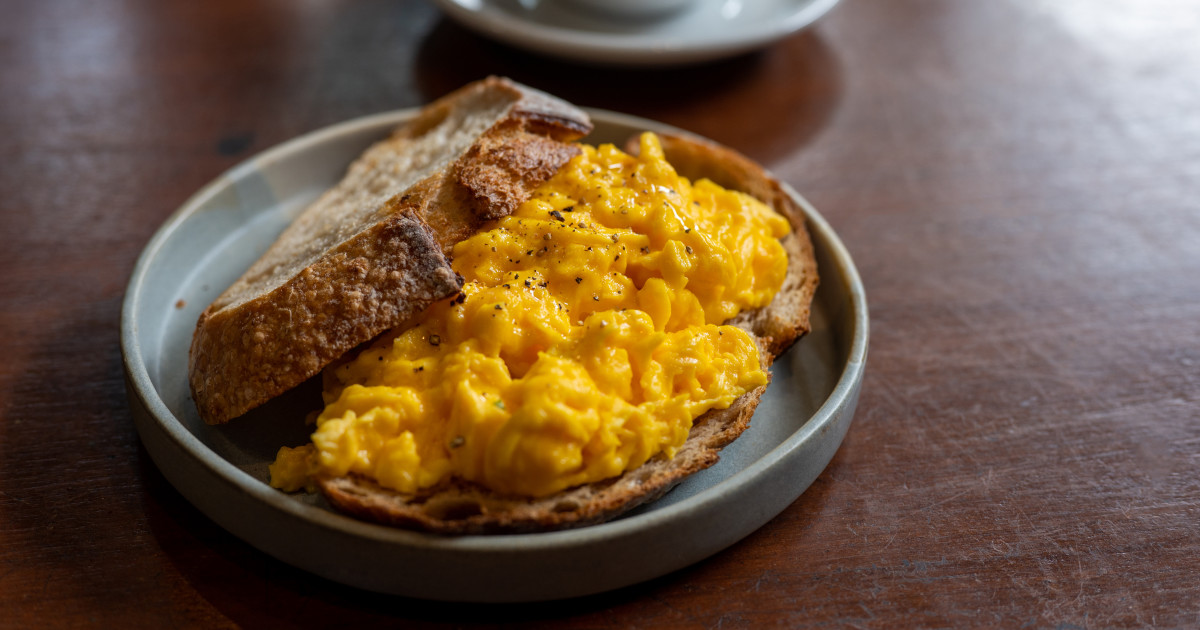
The Bourdain Legacy: Simplicity as the Ultimate Sophistication
Anthony Bourdain, the late chef, author, and global traveler, was a man who understood that the greatest culinary pleasures often lie in the simplest of dishes. His approach to food was always rooted in respect for ingredients and a mastery of fundamental techniques. Among the many recipes he shared, his method for **scrambled eggs** stands out as a testament to this philosophy. It is not a quick-fix breakfast; it is a meditation on texture, temperature, and patience, resulting in a dish that is less about fluffy curds and more about a luxurious, custardy, and intensely flavorful experience.
# The Anti-Fluff Movement: A French-Inspired Technique
Bourdain’s preferred scrambled egg technique is heavily influenced by the classic French method, which stands in stark contrast to the quick, high-heat, large-curd American style. He famously described the American version as “a crime against nature” when done poorly. The goal of the Bourdain method is to achieve a texture that is closer to a soft, pale yellow sauce—a creamy, almost liquid consistency that coats the tongue.
> “The secret to a perfect scramble is to cook them low and slow, with plenty of butter, and to never, ever let them get dry. They should be creamy, almost like a thick soup.”
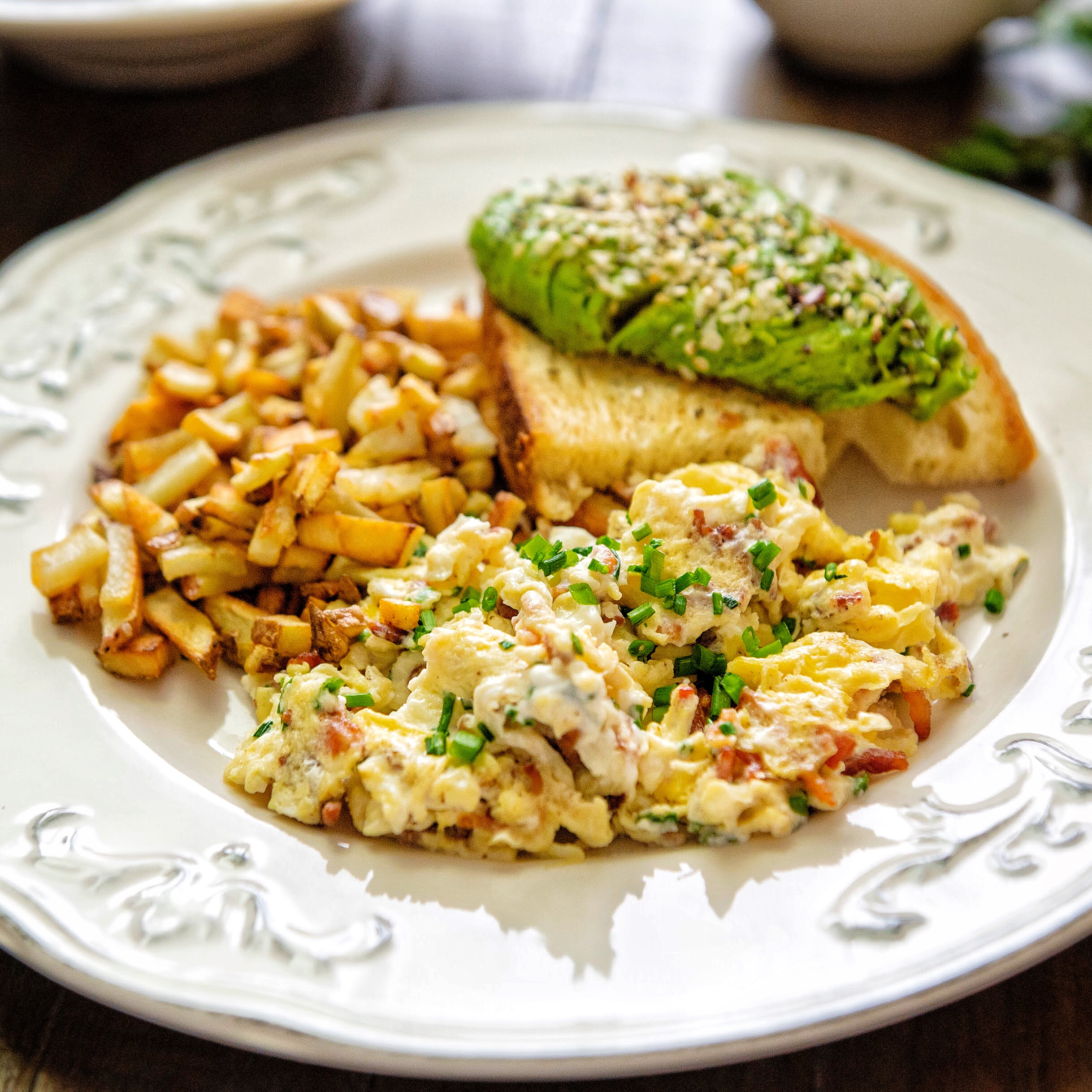

This technique requires constant attention and a willingness to embrace a lower cooking temperature. It is a lesson in delayed gratification, where a few extra minutes of gentle stirring are rewarded with a superior final product.
The Essential Ingredients: Quality Over Quantity
Bourdain’s recipe is minimalist, which places an immense emphasis on the quality of the few ingredients used. There is no hiding behind complex flavors; the eggs must speak for themselves.
# 1. The Eggs: The Foundation of Flavor
The most critical component is the egg itself. Bourdain always advocated for using the best eggs available—ideally **farm-fresh, free-range eggs** with deep, rich orange yolks. The color and flavor of a high-quality egg are unparalleled and directly contribute to the final dish’s richness.
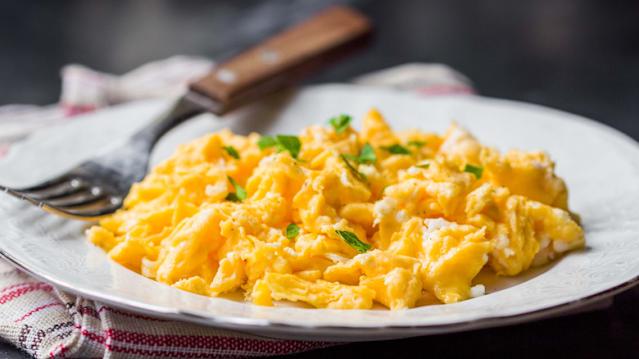
# 2. The Fat: Butter, and Lots of It
Butter is not just a cooking medium in this recipe; it is an integral flavor component. Bourdain’s method calls for a generous amount of **cold, unsalted butter** cut into small cubes. The cold butter is added to the pan before the eggs, and as it melts, it emulsifies with the eggs, creating the signature creamy texture. The use of unsalted butter allows the cook to control the final seasoning precisely.

# 3. The Finish: Crème Fraîche or Heavy Cream
The final touch, added off the heat, is a small amount of **crème fraîche or heavy cream**. This serves two purposes: it stops the cooking process immediately, preventing the eggs from overcooking from residual heat, and it adds a final layer of richness and a subtle, tangy complexity that elevates the dish from simple breakfast fare to a gourmet experience.
The Technique: A Step-by-Step Guide to Culinary Zen
The process of making Bourdain’s scrambled eggs is less a recipe and more a technique that demands focus and patience.
# Phase 1: Preparation and Initial Heat
1. **The Un-Whisked Egg:** Unlike most recipes, the eggs are cracked directly into a bowl and left un-whisked. This is a deliberate choice to allow for a slight marbling of the yolk and white, contributing to the final texture.
2. **Low and Slow Start:** The pan must be on **medium-low heat**. This is non-negotiable. High heat will result in large, dry curds, which is exactly what we are trying to avoid.
3. **Butter Emulsion:** Add the cold butter cubes to the pan. The butter should melt slowly and foam gently. The cold butter helps to keep the pan temperature from spiking too quickly.
# Phase 2: The Constant Stir
Once the butter is melted, the eggs are poured in, and the work begins.
> “You must stir constantly. You are not scrambling eggs; you are custardizing them.”
Using a rubber spatula, begin stirring immediately and continuously. The motion should be a gentle scrape of the bottom and sides of the pan, bringing the barely-set egg mixture into the center. This constant movement prevents the formation of large curds and ensures that the eggs cook evenly and slowly. The mixture will initially look like a thin liquid, then gradually thicken into a pale, creamy mass.
# Phase 3: The Critical Finish
The most crucial moment is knowing when to pull the eggs off the heat. This is a matter of visual and textural judgment.
- Visual Cue: The eggs should be mostly set but still look very wet, almost like a thick, pale yellow porridge or a rich sauce. There should be no dry, flaky curds.
- The Dairy Stop: Immediately remove the pan from the heat source. Stir in the crème fraîche or heavy cream, along with the salt and pepper. The cold dairy product instantly drops the temperature of the eggs, halting the cooking process. The residual heat in the pan will gently finish the eggs to the perfect, custardy consistency.
The Science of the Creamy Scramble
The difference between a dry, rubbery scrambled egg and Bourdain’s creamy version is a matter of **protein denaturation** and **emulsification**.
# Protein Denaturation
Eggs are primarily protein and water. When heated, the proteins in the egg white and yolk unwind and bond together, a process called denaturation.
- High Heat: Causes the proteins to bond tightly and quickly, squeezing out water and resulting in tough, dry curds.
- Low Heat (Bourdain Method): Allows the proteins to bond loosely and slowly, trapping the water and fat within the structure, resulting in a soft, creamy texture. The constant stirring further breaks up any large protein bonds, ensuring a smooth finish.
# The Role of Fat and Dairy
The generous use of butter and the addition of crème fraîche at the end are key to the emulsification. The fat molecules coat the protein strands, preventing them from bonding too tightly. The crème fraîche, being cold, acts as a thermal shock absorber, instantly stopping the cooking and introducing extra fat and moisture to create a stable, velvety emulsion.
Serving and Pairing: The Bourdain Way
Bourdain often served his eggs simply, letting the quality of the scramble shine.
# The Perfect Plate
* **Toast:** A thick slice of **toasted sourdough** is the ideal vehicle. Its slight tang and firm crust provide a textural contrast to the soft, rich eggs.
* **Garnish:** A generous sprinkle of **fresh chives** adds a necessary bright, oniony counterpoint. Bourdain also favored a pinch of **Espelette pepper**, a mild, smoky chili from the Basque region of France, for a subtle warmth and color.
# Pairing Suggestions
These rich, creamy eggs pair beautifully with:
* **Smoked Salmon:** The saltiness and oiliness of the salmon cut through the richness of the eggs.
* **Prosciutto or Jamón Ibérico:** A thin slice of high-quality cured ham provides a savory, salty element.
* **A Simple Green Salad:** A light, acidic vinaigrette on a bed of peppery arugula can cleanse the palate between bites.
Conclusion: A Masterclass in the Mundane
Anthony Bourdain’s scrambled egg recipe is a masterclass in elevating the mundane. It teaches us that true culinary excellence is not about exotic ingredients or complicated techniques, but about respecting the basics and executing them flawlessly. By adopting the low-and-slow, butter-rich, French-inspired method, you are not just cooking breakfast; you are participating in a culinary tradition that values texture, flavor, and the simple, profound pleasure of a perfectly cooked egg. This is a dish that requires your full attention, and in return, it offers a moment of pure, unadulterated gastronomic bliss.
Anthony Bourdains Scrambled Egg
Ingredients
Method
- Crack the eggs into a bowl. Do not whisk yet. The goal is to mix them in the pan, not beforehand, to achieve a marbled texture.
- Place a non-stick pan over medium-low heat. Add the cold butter cubes. Once the butter is melted and foamy, pour in the eggs.
- Immediately begin stirring the eggs constantly with a rubber spatula, scraping the bottom and sides of the pan. The key is to cook the eggs very slowly and gently, preventing the formation of large curds.
- Continue stirring and scraping for about 5-7 minutes, or until the eggs are mostly set but still very wet and creamy. They should look like a thick, pale yellow sauce.
- Remove the pan from the heat. Stir in the crème fraîche, salt, and pepper. The residual heat will finish cooking the eggs to the perfect, custardy consistency.
- Spoon the creamy eggs onto the toasted sourdough. Garnish generously with fresh chives and a pinch of Espelette pepper, if using. Serve immediately.