
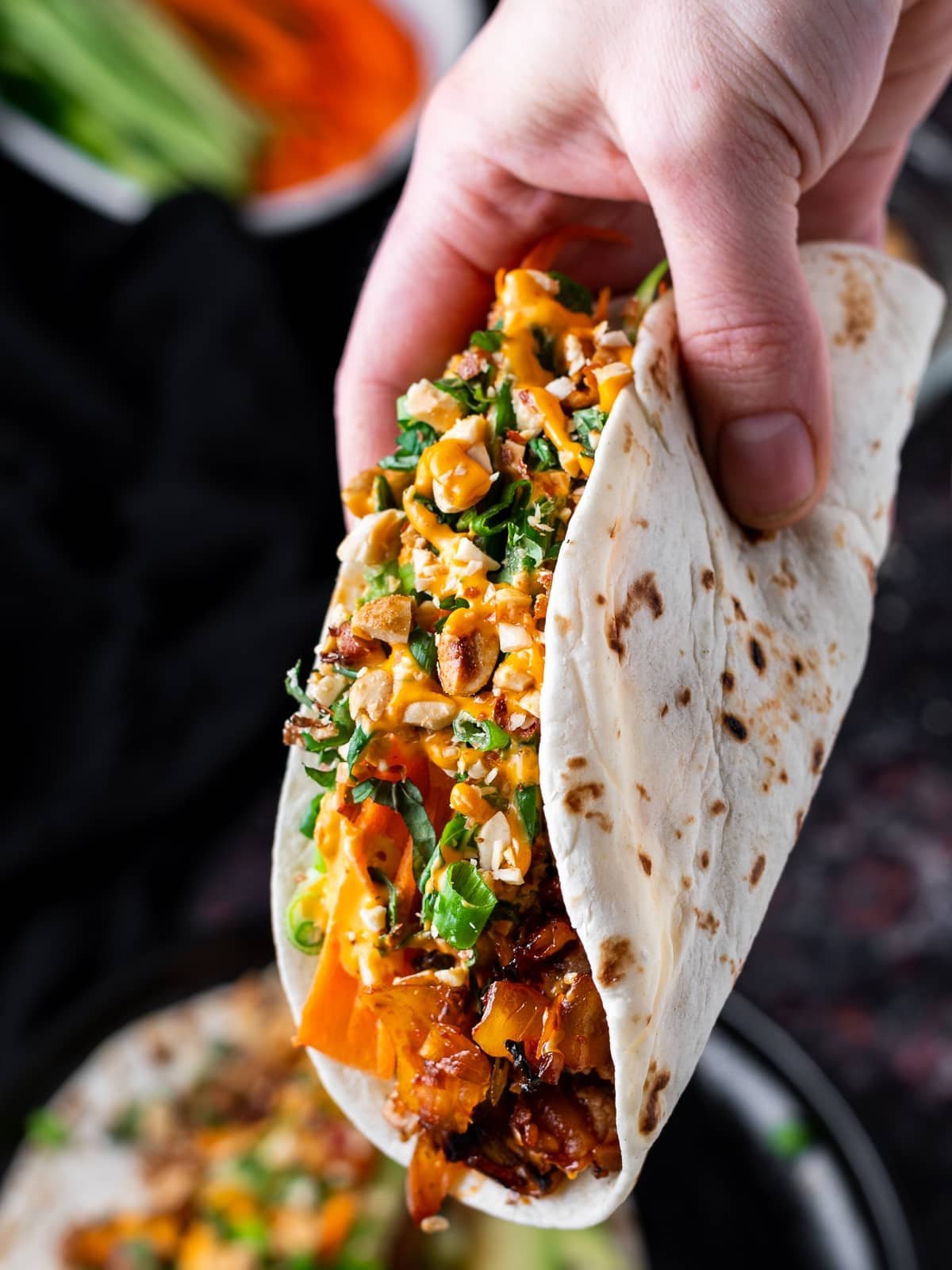
In the vibrant world of culinary innovation, fusion dishes continue to captivate food enthusiasts globally. One standout creation that has garnered immense popularity in recent years is Korean Spicy Chicken Tacos. Combining the bold, fiery flavors of Korean cuisine with the casual, handheld appeal of Mexican tacos, this dish offers a delightful sensory experience that reflects the best of both cultures. This article delves deep into the history, variations, tips, and reasons why Korean Spicy Chicken Tacos have become a beloved staple among food lovers everywhere.
The History of Korean Spicy Chicken Tacos
# Origins in Korean Cuisine: The Legacy of Spicy Chicken
Korean cuisine is renowned for its robust flavors, particularly its mastery over spicy, tangy, and savory profiles. Central to many Korean dishes is **spicy chicken**, often prepared with gochujang (Korean red chili paste), garlic, soy sauce, and sugar, creating a perfectly balanced sweet-heat combination. Dishes like **Dak Galbi** (spicy stir-fried chicken) and **Yangnyeom Chicken** (Korean fried chicken tossed in a spicy sauce) embody this tradition.

Spicy chicken’s popularity in Korea can be traced back to centuries of culinary evolution, with chili peppers being introduced to Korean cuisine in the 16th century. The Korean palate adapted these fiery peppers to create distinctive sauces and marinades celebrated today.

# The Taco: A Mexican Staple
Tacos, on the other hand, are a cornerstone of Mexican street food. Their origins date back to indigenous cultures prior to Spanish colonization, where corn tortillas filled with various local ingredients provided nourishment and convenience. Today, tacos represent more than food; they are a cultural symbol of Mexican identity, known for their adaptability and regional variations.
# The Rise of Fusion Cuisine
The fusion of Korean and Mexican cuisines is a relatively recent phenomenon, gaining traction in the early 2000s, particularly in cities with vibrant food scenes such as Los Angeles and New York. Korean Americans, among other immigrant communities, began blending their native cooking styles with Mexican flavors, giving birth to innovative dishes like Bulgogi Tacos and, importantly, **Korean Spicy Chicken Tacos**.

This fusion was partly facilitated by food trucks, pop-ups, and casual eateries experimenting with combining Korean marinades and Mexican formats—a marriage that promised bold flavors with familiar comfort. The crispness and handheld convenience of tacos provide the perfect canvas for layers of Korean spices and textures, elevating the taco experience.
Why People Love Korean Spicy Chicken Tacos
# A Symphony of Flavors and Textures
One of the most compelling reasons Korean Spicy Chicken Tacos have become so beloved is the intricate layering of flavors. The spicy, slightly sweet, and umami-packed chicken contrasts beautifully with the fresh, cooling elements often added as toppings—such as crunchy cabbage slaw, creamy sauces, and fresh cilantro. This creates a **balanced harmony** in every bite.

Moreover, the marriage of warm tortillas with tender, juicy chicken creates a satisfying contrast of textures. The tender bite of chicken marinated and cooked to perfection alongside crisp, fresh garnishes and soft yet pliable tortillas is a multidimensional experience that appeals broadly.
# Accessibility and Versatility
Another factor that endears people to Korean Spicy Chicken Tacos is their accessibility. Unlike some traditional Korean dishes that may intimidate or require special tools, these tacos offer a familiar format familiar to many. Anyone can pick up a taco, and with the addition of the spicy Korean chicken, enjoy a taste of Korea with minimal effort.
Furthermore, these tacos fit various eating occasions—they are perfect for casual lunches, weekend gatherings, or even more festive occasions. They are also easy to scale up for larger groups or trimmed down for street food vendors.
# A Healthier Yet Indulgent Option
While Korean Spicy Chicken Tacos offer indulgent flavors, they can also be a comparatively health-conscious choice. Opting for grilled or stir-fried chicken paired with fresh vegetables inside a corn tortilla can be lighter than many fried or cream-heavy dishes, appealing to health-aware diners seeking flavorful meals without compromise.
# The Appeal of Globalization through Food
In an era where cultural exchange is increasingly celebrated, Korean Spicy Chicken Tacos symbolize the beauty of **global fusion**. Diners enjoy these tacos not only for the taste but also for what they represent: creativity, diversity, and the coming together of culinary traditions. This dish invites people to explore unfamiliar flavors in a familiar format, fostering curiosity and appreciation for different cultures.
Tips for Enjoying Korean Spicy Chicken Tacos at Home or in Restaurants
# Balancing Heat with Freshness
One key to enjoying Korean Spicy Chicken Tacos lies in balancing the heat of the chicken with fresh, cooling elements. Many taco enthusiasts recommend adding vegetables like shredded cabbage or cucumber slices, and a drizzle of creamy sauces such as sour cream or avocado crema to offset the spiciness. This contrast enriches the overall eating experience.
# Choosing the Right Tortilla
While traditional Mexican tacos typically use soft corn tortillas, some variations substitute flour tortillas for a different texture or dietary needs. When making or ordering Korean Spicy Chicken Tacos, choosing fresh, warm tortillas enhances flavor and ease of eating. Warming tortillas just before serving helps maintain their pliability, preventing breakage.
# Customizing Spiciness
Spiciness levels can vary based on individual tolerance and recipe styles. When trying Korean Spicy Chicken Tacos for the first time, it’s wise to start with a milder sauce or request customization at eateries. Using milder gochujang or adjusting the amount applied can help beginners enjoy the unique flavors without overwhelming heat.
# Complementary Side Dishes and Drinks
Pairing Korean Spicy Chicken Tacos with complementary side dishes or drinks enhances the meal further. Popular accompaniments include kimchi, pickled radish, or a simple green salad with sesame dressing. For beverages, light beers, chilled soju, or flavored sparkling waters complement the spicy, savory notes.
# Experimenting with Ingredients
Home cooks and foodies alike are encouraged to experiment with variations that suit their taste. Swapping out chicken thighs for breasts, using different vegetables for slaws, or incorporating fresh herbs like mint and basil can personalize the taco experience. It’s a dish as flexible as it is flavorful.
Popular Variations of Korean Spicy Chicken Tacos
# Bulgogi vs. Spicy Chicken
While spicy chicken is the central characteristic of this taco variant, other Korean proteins like Bulgogi (marinated grilled beef) have also been integrated into taco recipes. Some versions combine spicy chicken with Bulgogi to vary textures and tastes.
# Fried Chicken vs. Grilled Chicken
Korean cuisine’s famous fried chicken, tossed in spicy sauces, also forms the basis for taco fillings. Fried chicken versions provide an added crunch and richness, appealing to those seeking informal, indulgent street food vibes. Grilled or stir-fried spicy chicken versions, meanwhile, emphasize moistness and direct flavor absorption.
# Vegetarian and Vegan Alternatives
With increased demand for plant-based dishes, creative vegetarian and vegan Korean spicy “chicken” tacos have emerged. These use textured soy protein, tofu, or mushrooms marinated and cooked to mimic spicy chicken flavors. Toppings may also adapt with vegan mayonnaise or kimchi without fish sauce.
# Fusion Toppings
While classic Korean Spicy Chicken Tacos feature traditional Korean sides like kimchi or pickled vegetables, many chefs and food trucks add other cultural twists, including:
- Mango salsa for sweetness and tropical flair.
- Queso fresco for creamy, salty contrast.
- Jalapeños or serrano peppers for added heat layers.
- Fresh herbs such as cilantro and green onion for aromatic lift.
# Sauce Variations
Sauces play a significant role in this dish. Beyond the foundational gochujang-based sauce, variations include mixing the chili paste with mayonnaise for creaminess or adding honey for extra sweetness. Some add garlic aioli or lime juice to brighten flavors.
Why Korean Spicy Chicken Tacos Are Here to Stay
# Emblem of Culinary Creativity
Korean Spicy Chicken Tacos perfectly embody the spirit of culinary creativity and cultural exchange. They showcase how traditional ingredients can be reimagined in exciting ways that appeal to modern palates, breaking borders without losing authenticity.
# Popularity in Food Scenes Worldwide
From food trucks on the streets of Los Angeles to trendy fusion restaurants in Seoul, these tacos have carved a strong niche. Their viral appeal on social media platforms like Instagram and TikTok also fuels widespread curiosity and demand, cementing their presence in popular food culture.
# A Gateway to Korean and Mexican Flavors
For many, these tacos act as an introductory dish, sparking interest in deeper exploration of both Korean and Mexican cuisines. Their approachable format is less intimidating than some traditional dishes but equally rich in flavor, encouraging culinary adventurousness.
# Community and Sharing
Tacos are inherently social foods, meant for sharing and casual enjoyment. Korean Spicy Chicken Tacos extend this communal aspect with a spicy, joyous twist, making them perfect for gatherings, celebrations, and everyday meals alike.
Conclusion
Korean Spicy Chicken Tacos stand as a testament to how food evolves, adapts, and brings people together across cultures. Rooted in the bold flavors of Korea and the celebrated form of Mexican street food, this dish resonates with a global audience hungry for innovation and taste. Whether enjoyed on busy city streets or crafted lovingly at home, these tacos offer a dynamic, flavorful experience that continues to delight and inspire. Their vibrant history, endless variations, and universal appeal ensure that Korean Spicy Chicken Tacos will remain a cherished fusion favorite for years to come.
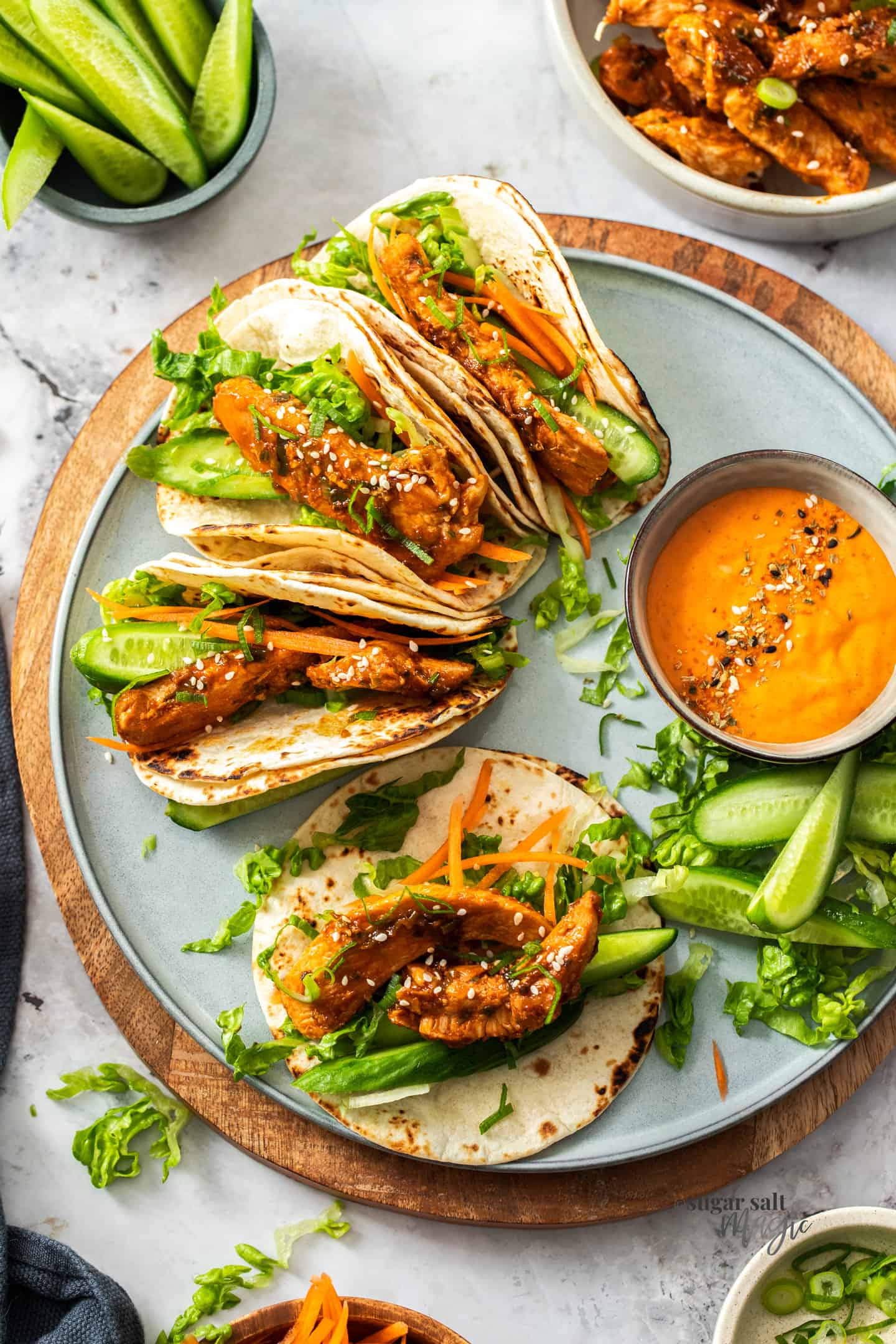
Ingredients
Method
- In a medium bowl, combine gochujang, soy sauce, sesame oil, honey, minced garlic, grated ginger, rice vinegar, and black pepper.
- Add the sliced chicken thighs to the marinade and mix well to coat evenly.
- Cover and let marinate for at least 15 minutes, or up to 2 hours in the refrigerator.
- Heat a large skillet over medium-high heat.
- Add the marinated chicken and cook for 5-7 minutes, stirring occasionally, until fully cooked and slightly caramelized.
- Remove from heat and set aside.
- In a small bowl, mix sour cream, lime juice, and gochugaru until smooth. Set aside.
- Warm the flour tortillas in a dry skillet or microwave until pliable.
- Prepare kimchi, shredded napa cabbage, and slice green onions.
- Place a few spoonfuls of cooked spicy chicken onto each tortilla.
- Top with chopped kimchi, shredded napa cabbage, and green onions.
- Drizzle with the prepared sour cream sauce.
- Sprinkle toasted sesame seeds and garnish with fresh cilantro leaves.
- Serve immediately and enjoy your Korean Spicy Chicken Tacos!