
Air Fryer Chicken Bulgogi: A Modern Twist on a Classic Korean Delight
**Chicken Bulgogi** is one of Korea’s most beloved dishes, celebrated for its vibrant flavors, tender meat, and balance of savory and sweet elements. Traditionally prepared by marinating thin slices of meat and grilling them over an open flame, this dish has found new life with the advent of air frying technology. The **air fryer chicken bulgogi** version maintains the essence of the historic favorite while offering a convenient, healthier, and faster way to enjoy this culinary treasure.
In this article, we will explore the fascinating history of bulgogi, why the air fryer adaptation has captured hearts worldwide, essential tips for making the best air fryer chicken bulgogi, and some exciting variations to try.

—

The History of Bulgogi: From Royal Courts to Everyday Tables
Bulgogi, which literally translates to “fire meat,” has ancient origins deeply rooted in Korean history. The earliest references to bulgogi date back over a thousand years, with culinary records from the Goguryeo era (37 BCE–668 CE) describing meat cooked over open flames. Traditionally, bulgogi was made with beef and reserved for Korean royalty and nobility, showcasing the dish’s prestigious status.
# Evolution of Bulgogi Over Time
– **Royal Beginnings:** During the Joseon Dynasty (1392–1897), bulgogi was a luxury item, often featuring high-quality beef marinated with soy sauce, sesame oil, garlic, and other aromatic ingredients.

– **Regional Variations:** As the dish spread across Korea, different regions adapted the marinade and meat cuts. For example, in the southern provinces, spicy elements were added, while northern versions often emphasized sweeter, milder marinades.
- Rise of Chicken Bulgogi: Due to beef’s high cost and changing dietary preferences, chicken began replacing beef in the bulgogi tradition during the mid-20th century. Chicken bulgogi offered a lighter, more affordable alternative that retained the essence of the dish’s flavor profile.
Bulgogi’s popularity has since transcended Korean borders, becoming a symbol of Korean cuisine worldwide.

—
What Makes Chicken Bulgogi Special?
At its core, chicken bulgogi is beloved for its **perfect harmony of flavors** and its tender, juicy texture. The marinade typically includes soy sauce, garlic, ginger, sugar or honey, sesame oil, and sometimes Korean pear or apple juice to add natural sweetness and tenderize the meat.
# Key Characteristics
– **Flavor Balance:** Bulgogi strikes a remarkable balance between salty, sweet, and umami notes, often complemented by the smokiness from grilling or pan-frying.
- Tender Texture: The marinade’s acidity and sugar content help break down the proteins in the chicken, yielding tender results.
- Versatility: Chicken bulgogi can be served with rice, wrapped in lettuce leaves, or enjoyed as a filling for sandwiches and tacos.
—
Why Air Fryer Chicken Bulgogi Has Become a Favorite
With the rise of modern kitchen appliances, the traditional cooking methods for bulgogi have been reinvented. **Air fryers**—which cook food by circulating hot air rapidly around the ingredient, creating a crispy exterior without the need for excessive oil—are ideally suited to prepare chicken bulgogi.
# Benefits of Using an Air Fryer for Chicken Bulgogi
1. **Healthier Cooking Method:** Unlike deep-frying or pan-frying that require large amounts of oil, air frying uses little to none, reducing the overall fat and calorie content while still delivering a crispy texture.
2. Efficiency and Convenience: Air fryers heat up quickly and cook food faster, making it easier for busy individuals to prepare authentic meals without sacrificing flavor or texture.
3. Consistent Results: The even heat circulation promotes uniform cooking and caramelization, ensuring that the marinade’s sugars crisp up beautifully on the chicken.
4. Less Mess and Cleanup: The compact design of most air fryers and the absence of splattering grease simplify kitchen cleanup—a feature highly appreciated in modern households.
5. Retains Juiciness: When timed correctly, air fryer chicken bulgogi achieves a crispy exterior with a juicy, tender interior, replicating the charred edges of grilled bulgogi.
—
Essential Tips for Making Perfect Air Fryer Chicken Bulgogi
To maximize flavor and texture, it’s important to understand how to leverage the air fryer properly when preparing chicken bulgogi.
# Tip 1: Choose the Right Chicken Cuts
– **Boneless, Skinless Thighs:** Offer more flavor and tenderness due to higher fat content.
– **Chicken Breast:** Leaner option, though it requires careful monitoring to prevent drying out.
# Tip 2: Marinate Thoroughly
– Marinate the chicken for at least 30 minutes, though 2 to 4 hours yields better flavor penetration.
– Incorporate natural tenderizers like grated Asian pear or pineapple juice for optimal texture.
# Tip 3: Pat Dry Before Air Frying
– Excess marinade can cause steaming instead of crisping. Lightly pat chicken pieces dry with paper towels before placing them in the air fryer basket.
# Tip 4: Don’t Overcrowd the Basket
– Leave space between pieces to allow hot air to circulate freely, promoting even cooking and browning.
# Tip 5: Adjust Temperature and Time
– Generally, cooking at around 360°F (180°C) for 12-15 minutes works well.
– Flip pieces halfway through cooking to ensure uniform crispiness.
# Tip 6: Use Cooking Spray if Needed
– A light spritz of oil can enhance browning without adding excessive fat.
# Tip 7: Garnish and Serve Fresh
– Top the finished chicken bulgogi with toasted sesame seeds, finely sliced green onions, or fresh herbs for extra flavor and presentation.
—
Delicious Variations and Serving Suggestions
One of the reasons chicken bulgogi enjoys worldwide adoration is its adaptability. Here are some creative variations and serving options to explore:
# 1. Spicy Chicken Bulgogi
– By adding gochujang (Korean chili paste) or red pepper flakes to the marinade, spice lovers can enjoy a fiery twist that adds depth and heat.
# 2. Gluten-Free Bulgogi
– Substitute soy sauce with tamari or coconut aminos for those with gluten sensitivities, maintaining the marinade’s rich umami profile.
# 3. Bulgogi Lettuce Wraps (Ssam)
– Serve air fryer chicken bulgogi in fresh lettuce leaves with garlic slices, ssamjang (fermented soybean paste), and rice for a refreshing, hand-held meal.
# 4. Bulgogi Bowls
– Pair the cooked chicken with steamed rice, kimchi, pickled vegetables, and a fried egg for a wholesome Korean-inspired bowl.
# 5. Fusion Tacos or Sandwiches
– Use bulgogi as a filling in soft tortillas or buns, complemented by crunchy slaw and spicy mayo—a delicious East-meets-West treat.
# 6. Vegetarian-Inspired Twist
– Use the same bulgogi marinade applied to mushrooms or tofu, then cook them in the air fryer for a plant-based version preserving the iconic flavor.
—
Why People Love Air Fryer Chicken Bulgogi
The enduring popularity of chicken bulgogi, especially the air-fried version, can be attributed to several key factors:
# 1. **Exceptional Flavor with Less Effort**
The rich, layered taste of bulgogi doesn’t require hours of cooking or complicated grilling setups when made in an air fryer. Busy cooks can enjoy authentic Korean flavors without fuss.
# 2. **Health Consciousness**
With growing awareness about healthy eating, air fryer chicken bulgogi offers a nutritious alternative to traditional fried dishes, lowering fat intake while satisfying cravings.
# 3. **Cultural Accessibility**
Air frying makes bulgogi more accessible to global audiences without access to Korean barbecue grills or traditional cooking tools, making it easier for international home cooks to embrace Korean cuisine.
# 4. **Versatility**
The dish’s compatibility with a range of sides, from rice to wraps, and its suitability for different occasions—casual dinners, lunchboxes, parties—adds to its appeal.
# 5. **Comfort Food Appeal**
The warm, savory, and slightly sweet flavors of bulgogi evoke a sense of comfort and homeliness, making it a dish people return to again and again.
# 6. **Social Connection**
Sharing bulgogi is part of Korean food culture’s communal nature. Air fryer chicken bulgogi can replicate that experience in small or large groups, fostering connection through food.
—
Conclusion
**Air fryer chicken bulgogi** represents a beautiful synthesis of tradition and innovation. Rooted in Korea’s rich culinary heritage, this dish carries the bold flavors and tender textures that have captivated taste buds for centuries. The air fryer brings modern convenience, health benefits, and consistent quality to this classic, making it accessible to a wider audience.
Whether you’re a seasoned Korean food enthusiast or a newcomer eager to explore global flavors, air fryer chicken bulgogi offers a versatile, delicious, and satisfying dining experience. Its rich history, combined with adaptable cooking methods and exciting variations, ensures that this dish will continue to delight home cooks and food lovers around the world for many years to come.
—
Stay tuned for the recipe section where you can learn how to make the perfect air fryer chicken bulgogi step by step!
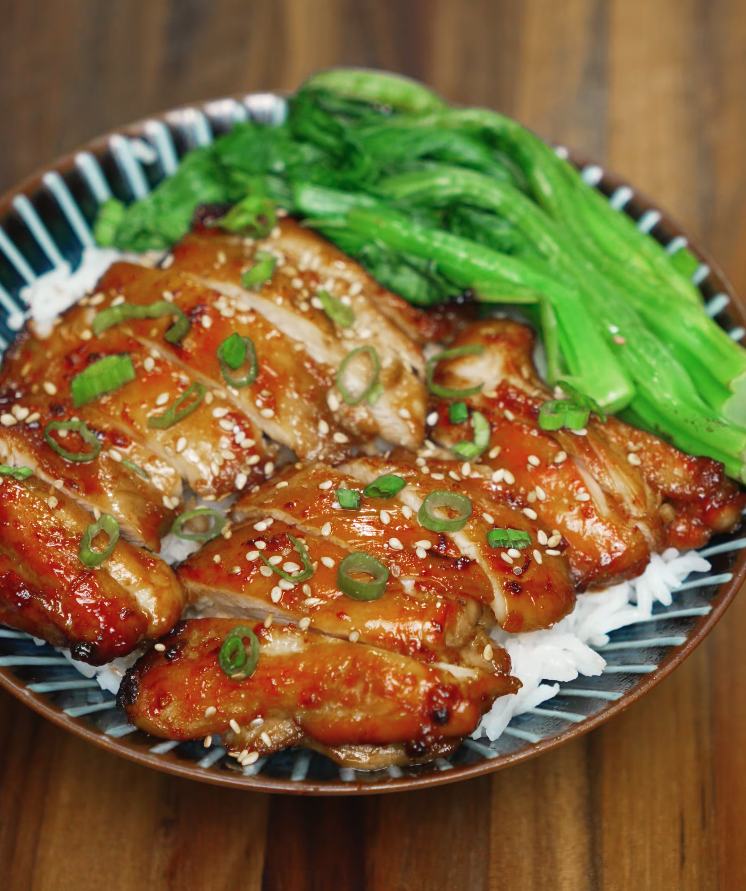
Air Fryer Chicken Bulgogi
Ingredients
Method
- In a medium bowl, combine soy sauce, brown sugar, sesame oil, minced garlic, grated ginger, gochujang, rice vinegar, black pepper, grated pear, and chopped green onion.
- Whisk the ingredients together until sugar is dissolved and mixture is well blended.
- Add the thinly sliced chicken thighs into the marinade bowl.
- Mix well ensuring all chicken pieces are coated with the marinade.
- Cover and refrigerate for at least 15 minutes, up to 2 hours for deeper flavor.
- Preheat the air fryer to 380°F (193°C) for 5 minutes.
- Place the marinated chicken in the air fryer basket in a single layer, avoid overcrowding.
- Cook for 7 minutes, then shake the basket or turn the chicken pieces.
- Continue cooking for another 7-8 minutes until chicken is cooked through and slightly caramelized on edges.
- Transfer the cooked chicken bulgogi to a serving dish.
- Sprinkle with toasted sesame seeds and sliced green onions.
- Garnish with fresh cilantro leaves if desired.
- Serve hot with steamed rice or lettuce wraps.