
Nigellas Chocolate Mousse Cake is a delicious recipe that combines amazing flavors and textures.
Nigella Lawson’s chocolate mousse cake represents the epitome of elegant indulgence – a no-bake dessert that combines a crisp chocolate biscuit base with an ethereally light yet intensely chocolatey mousse that melts on the tongue. This recipe exemplifies Nigella’s culinary philosophy of accessible sophistication, using simple techniques to create something truly spectacular. The magic lies in the combination of whipped cream and beaten egg whites that lighten the rich chocolate mixture, creating a mousse with such delicate texture it seems to defy gravity while delivering profound chocolate satisfaction.

What makes this dessert exceptional is its textural contrast and depth of flavor. The base provides crunch and slight sweetness that complements the bittersweet mousse, while the chocolate itself takes center stage in its purest form. The absence of baking allows the chocolate flavor to remain bright and uncompromised by cooked notes. When prepared correctly, the mousse achieves that perfect balance between airy lightness and rich density that characterizes great chocolate mousse, all in a sliceable format that makes it ideal for entertaining.
Nigella Lawson’s Culinary Philosophy
Nigella Lawson has built her culinary reputation on recipes that prioritize pleasure, simplicity, and approachability without sacrificing sophistication. Her style embraces indulgence while maintaining accessibility, often featuring recipes that look impressive but are surprisingly straightforward to execute. This chocolate mousse cake perfectly embodies her philosophy – it appears restaurant-quality but requires no special skills beyond careful folding and patience during chilling.

Nigella’s approach to chocolate is particularly reverent. She frequently emphasizes using quality chocolate since it’s the star ingredient, and she understands how different cocoa percentages affect the final result. Her recipes often include both melted chocolate and cocoa powder for layered chocolate intensity, as seen in this cake’s base. The inclusion of brown sugar rather than white provides subtle caramel notes that complement the chocolate without overwhelming it. This attention to ingredient quality and balance characterizes her recipe development and explains why her desserts remain so popular.

Ingredient Selection Guide
Chocolate: Use high-quality dark chocolate with 70% cocoa content for the ideal balance of intensity and sweetness. The specific brand matters less than the cocoa percentage and quality. Avoid chocolate chips, which contain stabilizers that can affect melting and texture.
Eggs: Since this recipe uses raw eggs, use the freshest possible eggs from a trusted source. For those concerned about raw eggs, you can use pasteurized eggs or heat the egg yolks with sugar over a water bath to 160°F (71°C) before adding chocolate.

Cream: Use heavy cream with at least 35% fat content for optimal whipping. The higher fat content creates more stable whipped cream that holds its structure when folded into the mousse. Make sure both the cream and bowl are cold before whipping.
Biscuits: Digestive biscuits provide the classic British base, but graham crackers work equally well. For gluten-free needs, use gluten-free digestive biscuits or graham crackers. The cocoa powder in the base enhances the chocolate theme while helping to balance the sweetness.
The Science of Mousse
Chocolate mousse relies on proper emulsion and aeration for its characteristic texture. The melted chocolate forms an emulsion with the egg yolks and sugar, stabilized by the lecithin naturally present in both ingredients. This emulsion provides the rich base that carries the chocolate flavor.

The whipped cream introduces air bubbles and fat globules that lighten the mixture. The fat in the cream also helps stabilize the air bubbles. The egg whites provide additional aeration and structure through denatured proteins that form networks around air pockets. The combination of these two aerating elements creates the light yet stable texture that defines great mousse.
Temperature control is crucial throughout the process. The melted chocolate must cool slightly before adding to the egg yolks to prevent cooking them, but not so much that it seizes. The cream and egg whites whip best when cold, but the chocolate mixture should be at room temperature when folding them in to prevent premature setting.
Technique Mastery
The folding technique makes or breaks this mousse. Proper folding incorporates the aerated components without deflating them, maintaining the volume that gives mousse its light texture. Use a large spatula and cut through the center of the mixture, bringing the bottom up and over the top while rotating the bowl.
When whipping cream, stop at soft peaks rather than stiff peaks. Overwhipped cream becomes grainy and doesn’t incorporate as smoothly. Similarly, egg whites should be whipped to stiff peaks but not until dry-looking, which indicates overwhipping.
When adding the chocolate to the egg yolks, do so gradually while whisking constantly. This tempering prevents the chocolate from cooling too quickly and seizing or causing the egg yolks to curdle. The resulting mixture should be smooth, glossy, and slightly cooled before folding in the other components.
Assembly and Setting
The base must be firmly pressed into the pan to create a stable foundation. Use the bottom of a measuring cup or glass to press it evenly. Chilling the base while preparing the mousse helps it set and prevents it from becoming soggy when the mousse is added.
When pouring the mousse over the base, do so gently to avoid disturbing the base. Smooth the top with an offset spatula for a professional appearance. For completely even setting, tap the pan gently on the counter to release any air bubbles.
The chilling time is non-negotiable. The mousse needs at least 6 hours to set properly, but overnight is ideal. This allows the proteins and fats to firm up completely, resulting in clean slices when serving. Rushing this step will yield a mousse that doesn’t hold its shape.
Presentation and Serving
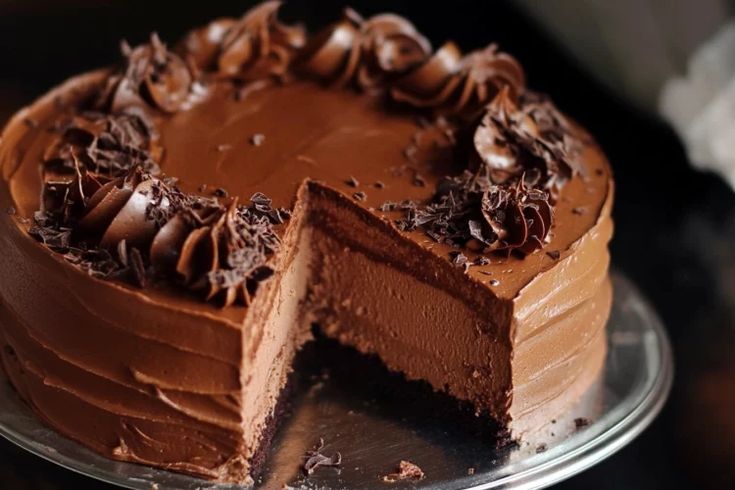
This cake makes a dramatic presentation when released from the springform pan. Run a thin knife around the edge before releasing the clasp. For extra clean removal, you can line the sides of the pan with parchment paper strips.
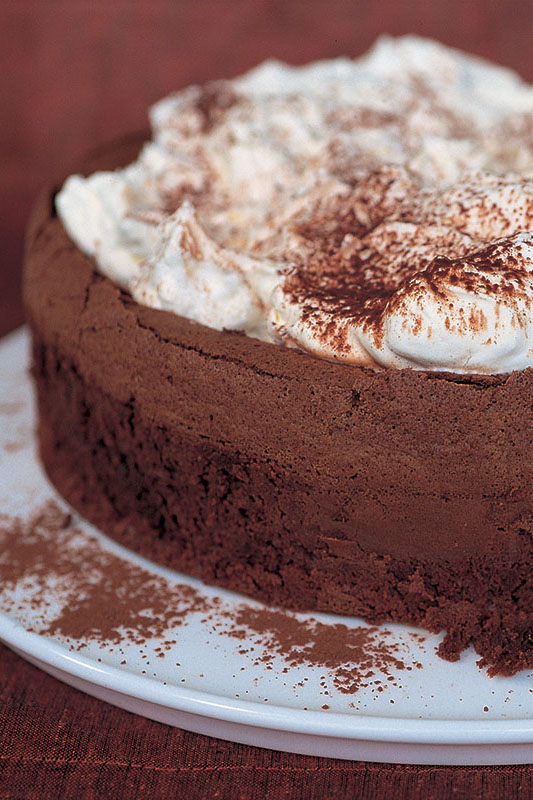
Serve slices with a hot knife for clean cuts. Dip the knife in hot water and wipe dry between each slice. The whipped cream topping provides visual contrast and cuts the richness. Chocolate shavings and cocoa powder dusting enhance the visual appeal while reinforcing the chocolate theme.
Complementary accompaniments include:
Berries: Fresh raspberries or strawberries provide acidity that cuts the richness.
Sauces: A raspberry coulis or caramel sauce adds complementary flavors.
Coffee: Espresso or strong coffee balances the sweetness.
Dessert Wines: A sweet dessert wine like Port or Banyuls complements the chocolate.
Variations and Adaptations
This versatile recipe adapts well to numerous variations:
Flavor Infusions: Infuse the cream with orange zest, mint, or spices before whipping.
Nutty Version: Add 1/2 cup finely ground toasted nuts to the base or fold chopped nuts into the mousse.
Layered Mousse: Create alternating layers of dark and white chocolate mousse.
Alcohol Enhancement: Add 2 tablespoons of liqueur such as Grand Marnier, framboise, or amaretto to the chocolate mixture.
Vegan Adaptation: Use coconut cream instead of dairy cream and aquafaba instead of egg whites.
Storage and Freshness
This cake keeps well in the refrigerator for up to 4 days covered with plastic wrap. The texture may become slightly denser over time but remains delicious. For longer storage, freeze for up to 2 months. Freeze uncovered until firm, then wrap tightly in plastic and foil. Thaw overnight in the refrigerator before serving.
The base may soften slightly after the first day due to moisture migration from the mousse. For best texture, serve within 24 hours of preparation. If making for an event, prepare the components separately and assemble the day of serving for optimal base crispness.
Final Thoughts
Nigella’s chocolate mousse cake represents dessert perfection through simplicity and quality. It demonstrates how a few well-chosen ingredients, combined with careful technique, can create something far greater than the sum of its parts. This recipe honors chocolate in its purest form while transforming it into an ethereal experience that delights both the palate and the senses.
As you prepare and enjoy this magnificent dessert, appreciate how each element contributes to the whole: the crisp base, the airy yet rich mousse, and the complementary toppings. Whether serving for a special occasion or as a luxurious treat to elevate an ordinary day, this chocolate mousse cake offers satisfaction that transcends its simple preparation. May it become a cherished recipe in your collection, embodying the pleasure principle that makes Nigella Lawson’s cooking so beloved worldwide.
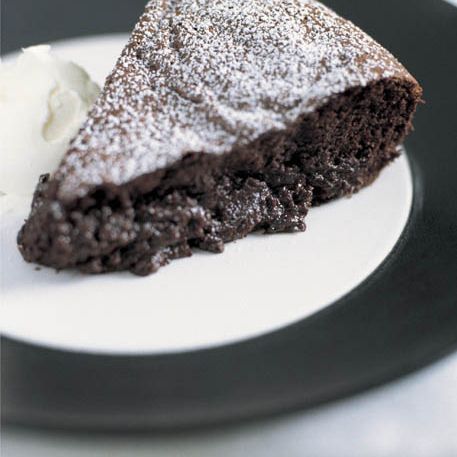
Nigellas Chocolate Mousse Cake
Ingredients
Method
- Crush biscuits finely in a food processor or with a rolling pin
- Mix with melted butter and cocoa powder until well combined
- Press firmly into the bottom of a 9-inch springform pan
- Chill while preparing the mousse
- Melt chocolate in a heatproof bowl over simmering water or in microwave, then let cool slightly
- In a large bowl, whip cream until soft peaks form, then refrigerate
- In another bowl, whisk egg yolks with sugar until pale and thickened
- Gradually whisk melted chocolate into egg yolk mixture
- Fold in vanilla extract and salt
- In a clean bowl, whisk egg whites until stiff peaks form
- Fold whipped cream into chocolate mixture, then gently fold in egg whites
- Pour mousse over prepared base and smooth the top
- Cover and refrigerate for at least 6 hours, preferably overnight
- Before serving, whip remaining cream and pipe around edges or spread over top
- Decorate with chocolate shavings and dust with cocoa powder
- Run a knife around edges before releasing springform pan