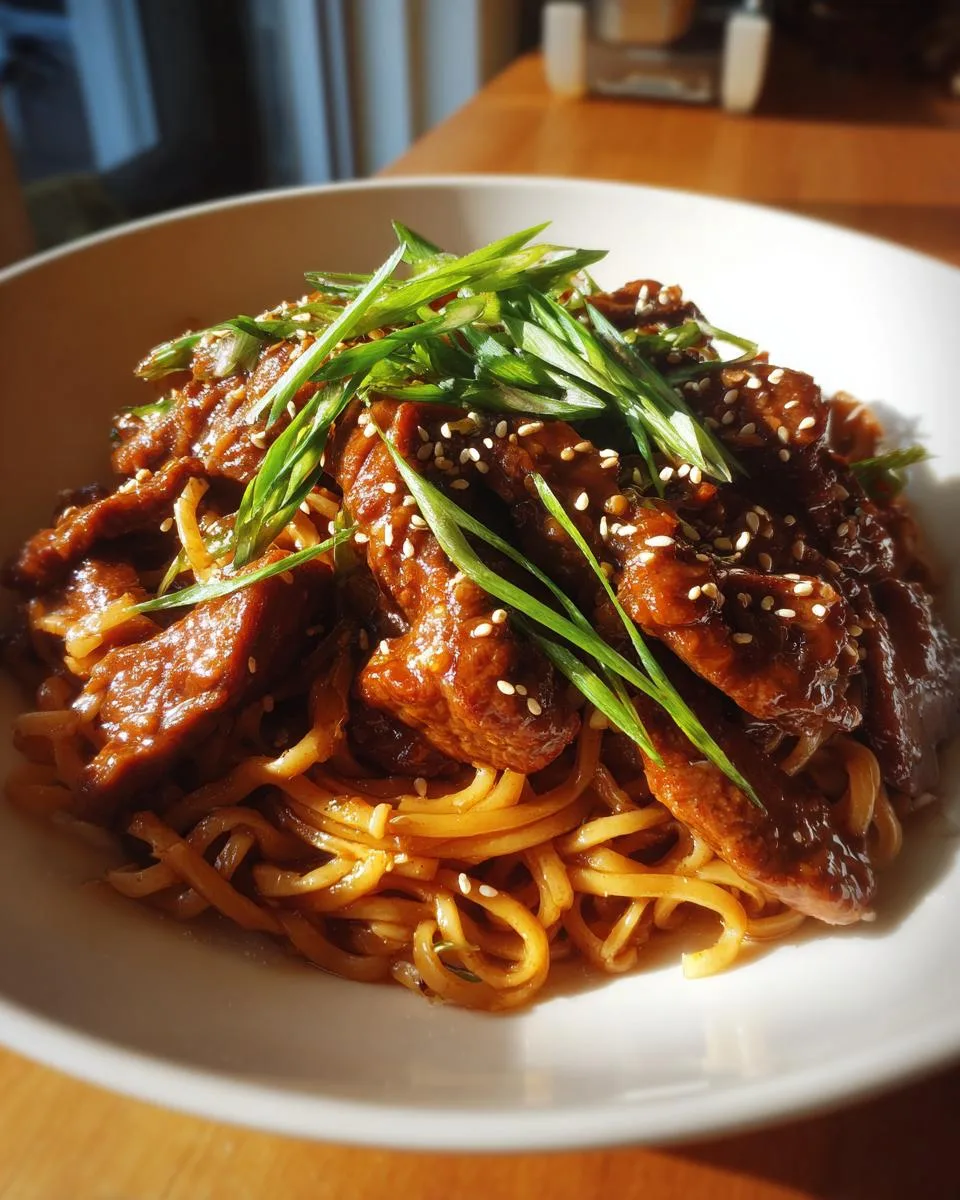
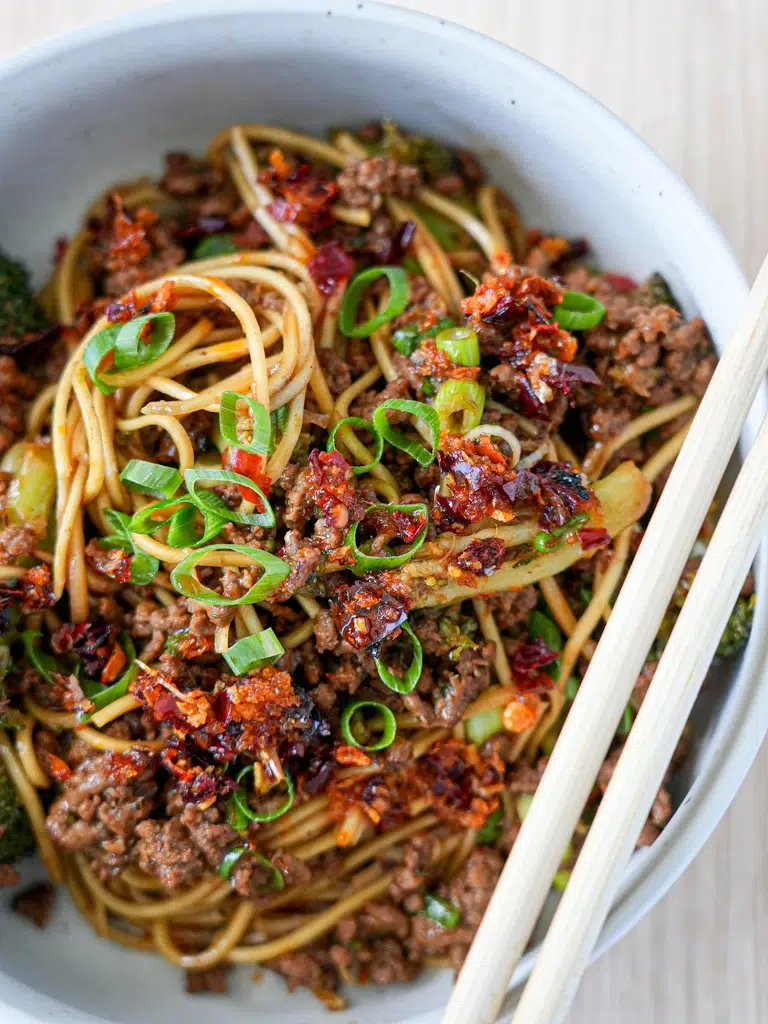
The Ultimate Comfort Food: Sticky Beef Noodles
Sticky beef noodles represent the perfect marriage of Asian flavors and comforting textures. This dish features tender slices of beef coated in a glossy, sweet-savory sauce that clings to every strand of noodle. What makes this recipe special is its balance of flavors – the richness of beef, the sweetness of honey, the tang of rice vinegar, and the heat of sriracha all come together in perfect harmony.
The secret to achieving that signature “sticky” texture lies in the careful reduction of the sauce and the cornstarch-marinated beef. As the sauce simmers, it thickens to a luxurious consistency that coats each ingredient beautifully. The noodles absorb just enough sauce to become flavorful while maintaining their satisfying chewiness.

The History of Sticky Noodle Dishes
Sticky noodle dishes have their origins in Chinese cuisine, specifically from the Sichuan province where chefs developed techniques to create glossy, sauce-clinging noodles. The method of marinating meat with cornstarch (velveting) dates back to the Qing Dynasty (1644-1912), when chefs sought ways to preserve meat tenderness during high-heat cooking. This technique spread throughout Asia via trade routes, evolving in each region with local ingredients.
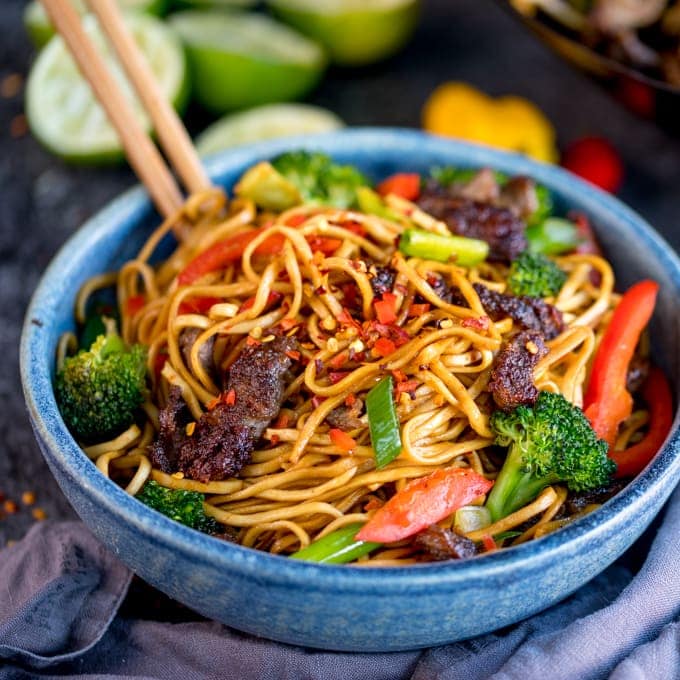
In Thailand, the addition of tamarind created Pad See Ew. In Korea, gochujang transformed it into jjajangmyeon. Our version represents a modern fusion that incorporates elements from various Asian culinary traditions while using readily available ingredients. The “sticky” quality comes from the reduction of sweet elements like honey combined with starch-thickened sauces.
Ingredient Selection Guide
Beef: Flank steak is ideal for its rich flavor and fibrous texture that holds up well to quick cooking. Look for meat with fine marbling and bright red color. Slice against the grain at a 45-degree angle for maximum tenderness.

Noodles: Fresh rice noodles provide the best texture, but dried work well too. For authentic chew, choose wide rice noodles (about 1/4 inch wide). Soak dried noodles in warm water for 15 minutes before cooking to prevent breakage.
Sauce Components:
– Hoisin: The fermented soybean base provides umami depth
– Honey: Creates the signature glaze and balances acidity
– Rice Vinegar: Adds brightness without overwhelming
– Sriracha: Provides adjustable heat (use 2 tsp for milder version)
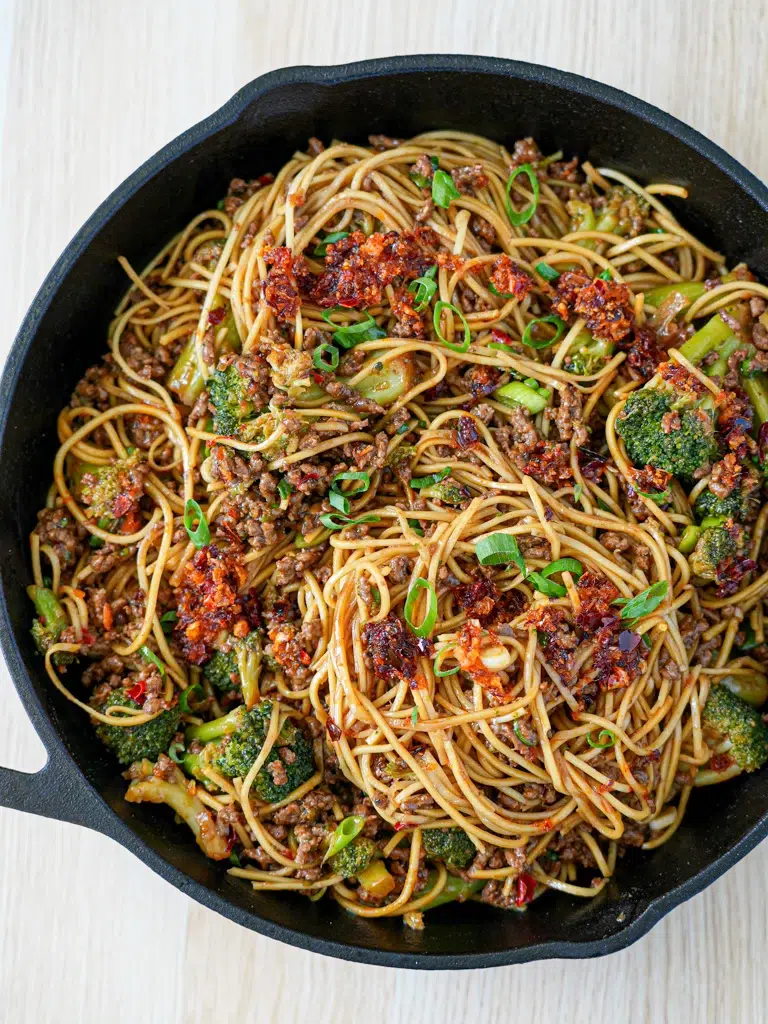
Step-by-Step Cooking Mastery
1. Proper Meat Preparation: After slicing, pat beef completely dry – moisture prevents proper browning. The cornstarch marinade not only tenderizes but creates a light crust when seared. Marinate for at least 15 minutes but no more than 2 hours.
2. Noodle Cooking Technique: Cook noodles 1 minute less than package directions. They’ll finish cooking in the sauce. Immediately rinse under cold water to stop cooking, then toss with 1 tsp sesame oil to prevent sticking.
3. Sauce Reduction: Simmer sauce until it coats the back of a spoon thickly but still drips slowly. The ideal temperature is 220°F (104°C) when measured with a candy thermometer.
4. High-Heat Searing: Use a wok or cast-iron skillet heated until smoking. Sear beef in single-layer batches for 45 seconds per side. Overcrowding causes steaming rather than searing.
Nutritional Benefits Breakdown
One serving provides:
– 42g high-quality protein for muscle maintenance
– 15g healthy fats from sesame oil
– Complex carbohydrates from rice noodles
– Iron (25% DV) and Zinc (30% DV) from beef
– Antioxidants from garlic and ginger
To boost nutrition, add 2 cups of vegetables like bok choy, bell peppers, or snap peas during the last 2 minutes of cooking. For gluten-free version, use tamari instead of soy sauce and verify hoisin is gluten-free.
Customizations for Every Palate
Spicier: Add 1 tbsp chili garlic paste with the sauce
Vegetarian: Substitute beef with sliced portobello mushrooms
Lower Carb: Use shirataki noodles or zucchini noodles
Extra Protein: Top with fried egg or tofu cubes
Nut-Free: Substitute sesame oil with avocado oil
Professional Chef Techniques
Restaurant chefs use these secrets:
1. Double-sear the beef: Sear quickly, remove, then return to skillet for final glaze
2. Toast spices: Bloom ginger and garlic in oil before adding sauce
3. Wok hei: The “breath of the wok” flavor comes from high heat vaporization
4. Sauce layering: Reserve 2 tbsp sauce to add at the end for maximum shine
Serving and Presentation
For restaurant-worthy presentation:
1. Twirl noodles into nests using tongs
2. Arrange beef slices radially
3. Drizzle extra sauce decoratively
4. Garnish with scallion brushes and sesame seeds
5. Serve with lime wedge on rim
Pair with jasmine tea or a crisp lager beer. For special occasions, serve in hollowed-out pineapple halves for dramatic effect.
Storage and Meal Prep
Store components separately for best results:
– Noodles: Toss with oil, refrigerate 3 days
– Beef: Refrigerate 4 days or freeze 3 months
– Sauce: Store separately 2 weeks
Reheat gently: Sauté beef and vegetables, add noodles with 1 tbsp water, then sauce. Microwave steaming makes noodles gummy.
The Science of Sticky Sauces
The “stickiness” comes from:
– Maillard reaction: Creates flavor compounds when searing beef
– Starch gelatinization: Cornstarch molecules unwind and thicken sauce
– Sugar concentration: Honey’s fructose creates viscosity when reduced
– Protein denaturation: Beef proteins bind to sauce components
Understanding these processes helps troubleshoot: If sauce is too thin, mix 1 tsp cornstarch with 2 tsp water and simmer. If too thick, add broth 1 tbsp at a time.
Cultural Significance
Noodle dishes symbolize longevity in Asian cultures. The unbroken strands represent long life, making them popular at birthdays and celebrations. Our fusion version honors this tradition while incorporating global flavors. The combination of beef and noodles dates to the Silk Road era when Persian traders introduced wheat noodles to China.
Final Thoughts
Sticky beef noodles represent more than just sustenance – they’re a culinary journey that connects traditions across borders. As you savor each flavorful bite, appreciate the centuries of culinary innovation that brought this dish to your table. May it become a cherished part of your family’s story, creating new memories with every delicious serving.
Sticky Beef Noodles
Ingredients
Method
-
Marinate beef with soy sauce and cornstarch
-
Cook noodles according to package instructions
-
Combine hoisin, honey, vinegar, sriracha and ginger
-
Simmer for 3 minutes until thickened
-
Sear beef in sesame oil until browned
-
Add garlic and cook 1 minute
-
Toss with noodles and sauce
-
Garnish with green onions and sesame seeds
-
Serve with lime wedges
Notes