
Introduction: The Irresistible Crunch of Gobi Manchurian
Imagine a dish that perfectly bridges the gap between the bold, aromatic spices of India and the savory, umami-rich techniques of Chinese cuisine. Picture golden-brown, ultra-crispy cauliflower florets tossed in a vibrant, glossy sauce that hits every taste bud—sweet, spicy, tangy, and salty all at once. This is Gobi Manchurian, the undisputed king of Indo-Chinese street food. Whether you’re wandering the bustling lanes of Mumbai or sitting in a high-end restaurant in Delhi, the intoxicating aroma of sautéing ginger, garlic, and soy sauce is a signal that something truly delicious is being prepared. It’s a dish that turns even the most ardent cauliflower skeptics into lifelong fans.
What makes Gobi Manchurian so special is its incredible texture. The “Gobi” (cauliflower) is double-fried or coated in a specific batter to ensure it stays crunchy even after being smothered in a luscious sauce. It’s a dish that evokes memories of rainy evenings and shared plates with friends, where the only competition is who can grab the last crispy floret. My personal journey with this recipe began in a small roadside stall where I watched a chef toss ingredients in a massive wok with lightning speed. The sizzle, the steam, and the final burst of green spring onions were a culinary performance I’ll never forget. Today, I’m bringing that street-side magic to your kitchen with a recipe that guarantees restaurant-quality results every single time.

Why This Recipe Works: The Secret to Lasting Crispiness
The biggest challenge with Gobi Manchurian is preventing the cauliflower from becoming soggy once it hits the sauce. This recipe works because of the specific ratio of all-purpose flour to cornstarch in the batter, which creates a glass-like, durable crunch. By blanching the cauliflower first, we ensure the interior is perfectly tender while the exterior fries up quickly. Furthermore, the sauce is built on high heat, allowing the sugars in the ketchup and chili sauce to caramelize slightly, creating a deep, complex flavor profile that clings to the florets without weighing them down. The addition of a cornstarch slurry at the very end provides that signature restaurant-style gloss that makes the dish look as good as it tastes.
Key Ingredients for Success
Fresh Cauliflower: The star of the show. Choose a firm, white head with tightly packed florets for the best texture. Cornstarch (Corn Flour): This is essential for achieving that light, airy, and long-lasting crispiness in the batter. Ginger and Garlic: Use fresh, finely chopped aromatics rather than pastes for the sauce to get those delightful little bits of flavor in every bite. Dark Soy Sauce: This provides the deep color and the essential umami base for the Manchurian sauce. Green Chilies: These provide the “Indo” in Indo-Chinese, offering a sharp, fresh heat that balances the sweetness of the sauces. Spring Onions: Don’t skip these! The white parts add flavor to the base, while the green parts provide a fresh, peppery finish and a beautiful pop of color.

Pro Tips for the Perfect Gobi Manchurian
First and foremost, do not overcrowd the pan when frying the cauliflower. If you add too many florets at once, the oil temperature will drop, and the batter will absorb oil instead of becoming crispy. Fry in batches for the best results. Secondly, ensure your sauce is ready before you finish frying the cauliflower. The key to a great Manchurian is the “toss”—you want to combine the hot, crispy florets with the hot sauce and serve immediately. Lastly, if you want an extra level of crunch, you can double-fry the florets: fry them once until pale gold, let them cool slightly, and then flash-fry them again on very high heat just before tossing in the sauce.

Step-by-Step: Bringing It to Life
The process begins with the humble cauliflower. Breaking it down into uniform florets ensures they cook evenly. The blanching step is a quick but vital one, softening the core just enough. As you whisk together the batter, you’re looking for a consistency that is thick enough to coat a spoon but thin enough to flow. Dipping the florets and watching them transform in the hot oil is a sensory delight—the sizzle is music to any cook’s ears. Once you have a mountain of golden, crispy Gobi, you’re halfway to heaven.
The second act takes place in the wok. The aroma of garlic and ginger hitting hot oil is arguably one of the best scents in the world. As you add the onions and capsicum, the colors start to pop. Then come the sauces—the dark soy, the fiery red chili sauce, and the familiar comfort of tomato ketchup. Watching the thin liquid turn into a thick, bubbling, translucent glaze as you stir in the cornstarch slurry is pure kitchen alchemy. The final toss is a high-energy moment; you want every nook and cranny of the cauliflower to be coated in that savory goodness. When you garnish with those bright green spring onions, you know you’ve created something special.
Variations and Creative Twists
For a Healthy Twist, you can air-fry the battered cauliflower florets at 400°F for 15-20 minutes, shaking the basket halfway through. While not exactly the same as deep-frying, it still yields a very satisfying crunch. If you prefer a Gravy Version to serve with fried rice, simply double the amount of water and cornstarch slurry in the sauce section to create a more voluminous, pourable sauce. For a Protein Boost, you can use the same batter and sauce technique with paneer (Indian cottage cheese) or even firm tofu. For a gluten-free version, substitute the all-purpose flour with rice flour and ensure your soy sauce is a certified gluten-free tamari.
Frequently Asked Questions
Q: Can I make this in advance? A: You can prepare the sauce and fry the cauliflower in advance, but do not toss them together until you are ready to serve. Re-fry or air-fry the cauliflower for a few minutes to regain its crunch before tossing. Q: How spicy is this dish? A: This recipe is medium-spicy. You can easily adjust the heat by increasing or decreasing the number of green chilies and the amount of red chili sauce. Q: Why is my cauliflower soggy? A: This usually happens if the oil wasn’t hot enough during frying, or if the florets sat in the sauce for too long before being eaten. Q: Can I use frozen cauliflower? A: It is not recommended, as frozen cauliflower releases too much moisture and will not become truly crispy.

Conclusion: A Flavor-Packed Masterpiece
Mastering Gobi Manchurian is like unlocking a secret level of culinary skill. It’s a dish that brings together contrasting textures and bold flavors in a way that is uniquely satisfying. Whether you’re serving it as an appetizer for a dinner party or enjoying it as a weekend treat, it never fails to impress. The combination of the crispy Gobi and the zesty sauce is a testament to the creativity of Indo-Chinese cuisine. I hope this recipe inspires you to fire up your wok and experience the joy of making this street-food classic at home. Don’t forget to snap a photo of your creation and share your experience in the comments—I’d love to hear how your Gobi Manchurian turned out!
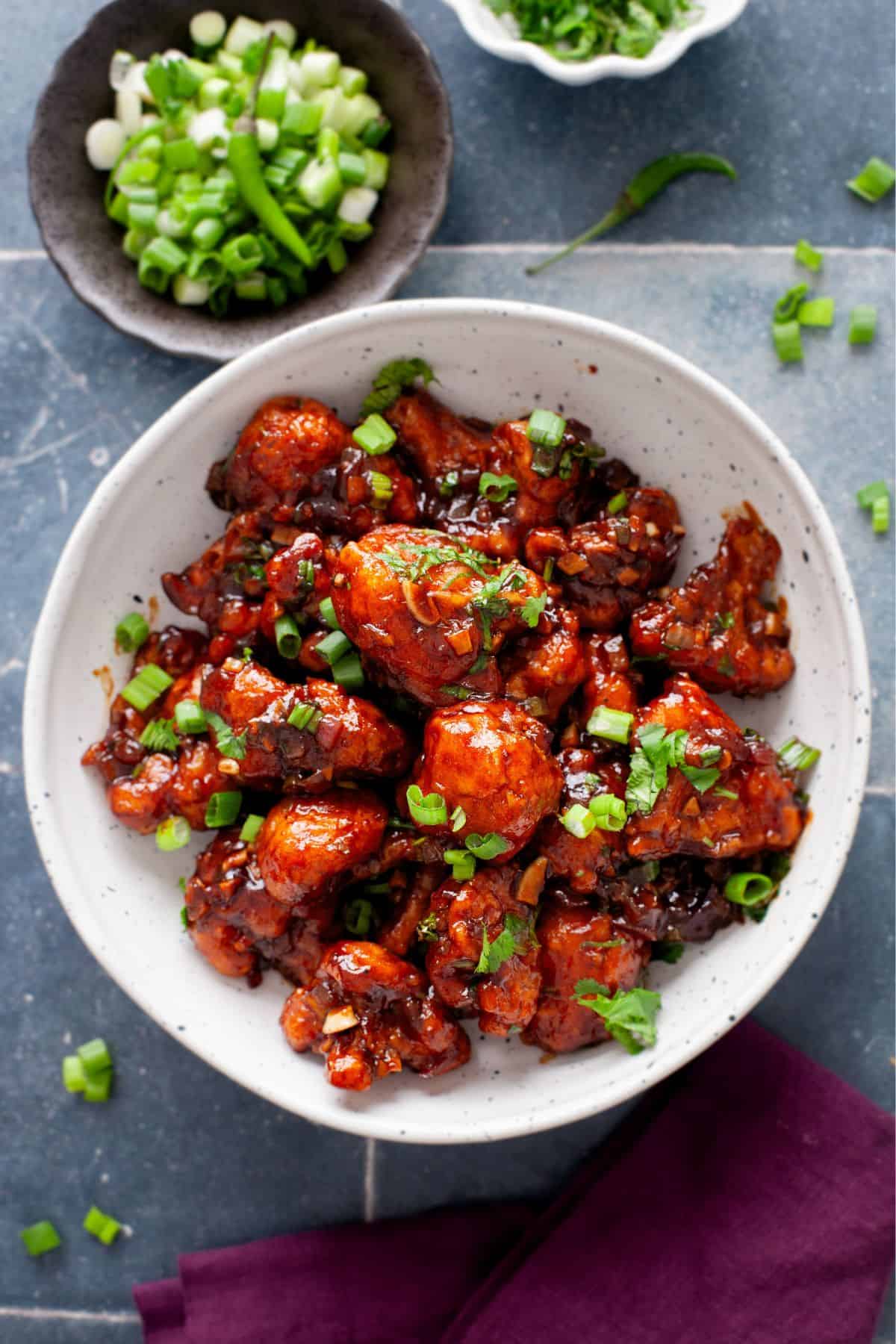
Crispy Gobi Manchurian: A Flavor-Packed Indo-Chinese Delight
Ingredients
Method
- Blanch the cauliflower florets in boiling salted water for 3-4 minutes. Drain and pat dry.
- In a large bowl, mix all-purpose flour, cornstarch, ginger-garlic paste, chili powder, and salt.
- Add water gradually to make a smooth, thick batter that coats the florets well.
- Heat oil in a deep pan for frying.
- Dip each cauliflower floret into the batter and drop carefully into the hot oil.
- Fry on medium-high heat until the florets are golden brown and crispy. Drain on paper towels.
- Heat 2 tbsp oil in a wok or large pan. Add chopped garlic, ginger, and green chilies. Sauté for a minute.
- Add chopped onions and capsicum. Sauté on high heat until they are slightly softened but still crunchy.
- Add soy sauce, chili sauce, ketchup, vinegar, pepper, sugar, and salt. Mix well.
- Pour in the cornstarch slurry and stir until the sauce thickens and becomes glossy.
- Add the fried cauliflower florets to the sauce.
- Toss quickly on high heat to coat the florets evenly with the sauce.
- Garnish with plenty of chopped spring onion greens and serve immediately while crispy.