
Introduction
The moment you lift the lid to your pot of Native Jollof Rice Iwuk Edesi, a rich, smoky aroma wafts through the air, stirring your senses and awakening memories of vibrant celebrations and cozy family gatherings. The warm redness of the rice, infused with fragrant palm oil, ripe tomatoes, fiery peppers, and tantalizing spices, immediately invites you to dive in. This isn’t just any rice dish; it’s a soul-satisfying symphony of flavors and colors that captures the heart of Nigerian cuisine in every bite.
At its core, Native Jollof Rice Iwuk Edesi combines long-grain rice with traditional ingredients such as fresh tomatoes, bell peppers, scotch bonnet peppers, onions, and the unmistakable flavor of palm oil that elevates the dish beyond your typical tomato rice. What makes this recipe truly special is the perfect balance between the smoky undertones of the palm oil and the sweet acidity of the tomato base, which melds beautifully with the subtle heat from the peppers.

Personally, this recipe has been a staple in my kitchen for years. Whenever I prepare Iwuk Edesi, I’m transported back home to the heart of Nigeria, where the air is thick with laughter and the scent of food that speaks of comfort and identity. Sharing a plate of this vibrant Jollof rice with loved ones reminds me how food connects us—through tradition, taste, and stories passed from one generation to another.
Why This Recipe Works



Native Jollof Rice Iwuk Edesi works because it achieves a perfect harmony between flavor, texture, and cooking technique. The secret lies in the use of palm oil, which imparts a unique depth and smokiness that you won’t find in other varieties of Jollof rice. This oil not only adds richness but also stabilizes the heat from the peppers, creating a beautiful balance of spicy and savory notes.
The technique of simmering the rice slowly in the tomato and pepper sauce allows the grains to absorb intense flavors, making each mouthful vibrant and flavorful. The controlled cooking process ensures the rice is fluffy yet retains a slight bite, avoiding the mushiness common in other versions. This careful blend of science—absorbing flavors thoroughly while maintaining texture—gives this dish its irresistible character.


Key Ingredients for Success
- Long-grain parboiled rice: This type of rice offers firm, separate grains that soak up the tomato stew without turning mushy, essential for perfect Jollof texture.
- Palm oil: The star ingredient that provides a rich, smoky flavor and vibrant red-orange color, setting Iwuk Edesi apart from other Jollof variants.
- Fresh tomatoes: Adding sweetness and acidity, fresh tomatoes balance the earthiness of the palm oil and create a fresh base for the rice.
- Red bell peppers: These contribute a sweet, mild pepper flavor and enhance the color while blending beautifully with the tomatoes.
- Scotch bonnet peppers: Known for their fiery heat and fruity undertones, these peppers bring that distinct spicy kick crucial to authentic Jollof.
- Onions: When sautéed to golden perfection, they add depth and a subtle sweetness to the stew.
- Seasoning cubes and spices: Including thyme, curry powder, and a pinch of bay leaves, these layers of seasoning contribute an umami richness and aromatic complexity.
Pro Tips for the Perfect Native Jollof Rice Iwuk Edesi
First, always rinse your rice thoroughly to remove excess starch. This step prevents clumping and ensures your grains stay separate and fluffy during the simmering process. It’s a simple task that elevates the overall texture dramatically.
Second, take your time to cook the tomato and pepper base slowly over medium heat. This allows the natural sugars to caramelize, deepening the flavor profile and reducing any raw acidity. Rushing this step will result in a flat, one-dimensional sauce.
Third, use just the right amount of water or broth—too much moisture can make your rice mushy, while too little will undercook it. Generally, use about 1.5 cups of liquid for every cup of rice and adjust based on your pot and stove heat.
Finally, cover your pot tightly and cook on low heat to allow the rice to absorb the flavors while “steaming” perfectly. Resist stirring too often, or you’ll break down the rice and lose that sought-after texture.

Step-by-Step: Bringing It to Life
Start by rinsing 2 cups of long-grain parboiled rice under cold water until the runoff is clear, then set it aside to drain. Next, prepare your vegetable blend: roughly chop 4 large fresh tomatoes, 2 red bell peppers, 2 scotch bonnet peppers (adjust to your heat preference), and 1 large onion.
Heat ¼ cup of palm oil in a large, heavy-bottomed pot over medium heat. Once shimmering, add sliced onions and sauté until soft and translucent, releasing a sweet aroma. Add the chopped peppers and tomatoes, stirring well. Reduce the heat slightly and allow this mixture to cook down for about 15-20 minutes, stirring occasionally. You’ll see it thicken and deepen to a rich, bright red, and the smell will intensify with smoky and sweet notes.
Season the base with 1 teaspoon each of curry powder and thyme, 2 seasoning cubes, and a pinch of salt to taste. Add 2 bay leaves and mix thoroughly. Now, pour the rice into the pot, stirring gently to coat every grain in the luscious tomato-pepper sauce.
Next, add 3 cups of boiling water or broth, stirring carefully to combine. Cover your pot with a tight-fitting lid, reduce the heat to low, and let it simmer undisturbed for 25-30 minutes. As it cooks, the rice absorbs the flavors—its texture turning tender but firm, with the vivid color settling beautifully. If steam escapes freely or the rice sticks to the bottom, reduce or increase heat accordingly.
Once cooked, fluff the rice gently with a fork to separate the grains. The tantalizing aroma of smoky palm oil, sweet tomato, and fiery heat fills your kitchen. Serve hot with fried plantains, grilled meats, or a fresh salad for a complete Nigerian feast.
Variations and Creative Twists
Looking to add a personal flair to your Native Jollof Rice Iwuk Edesi? One idea is introducing protein directly into the pot. Try stirring in sautéed shrimp, shredded chicken, or cubes of smoked turkey when adding the rice to infuse even more depth and heartiness.
Another variation includes swapping out palm oil for a mix of palm oil and a neutral vegetable oil to dial down the smokiness for those new to this flavor but still wanting the authentic color and richness. This can make the dish more approachable while preserving its signature taste.
For a vegetarian or vegan spin, toss in sautéed mushrooms, chopped kale, or kidney beans towards the end of cooking. These ingredients add texture and enhance the nutritional profile, making your Jollof both wholesome and satisfying without compromising on taste.
Frequently Asked Questions
1. Can I use regular vegetable oil instead of palm oil?
Yes, you can substitute vegetable oil if palm oil is not available, but keep in mind that palm oil provides a unique smokiness and bold color that’s key to Iwuk Edesi’s authenticity. Mixing both oils might be a good compromise to maintain flavor while easing into the taste.
2. How spicy is Native Jollof Rice Iwuk Edesi?
Its spiciness varies based on personal preference, mainly determined by how many scotch bonnet peppers you use. These fiery peppers add a distinct heat and fruity flavor. You can adjust the number or remove seeds to reduce heat without losing the dish’s vibrant essence.
3. What type of rice is best for this recipe?
Long-grain parboiled rice is highly recommended as it maintains firm grains and doesn’t turn mushy. Avoid short-grain or sticky rice, as they can become clumpy and fail to absorb flavors properly.
4. How do I prevent the rice from burning or sticking to the pot?
Using a heavy-bottomed pot, controlling heat to low during the simmering phase, and covering the pot properly are essential tips. Additionally, stirring gently before covering ensures an even layer of rice without clumps that stick. If the bottom starts to brown but rice is still uncooked, reduce heat and add a splash of water.
5. Can I prepare Native Jollof Rice Iwuk Edesi in advance?
Absolutely! It can be made ahead and stored in the refrigerator for up to 3 days. Reheat softly in a covered pan with a little water to restore moisture. Freshly cooked is best, but leftovers often taste even better as the flavors meld.
Conclusion
Native Jollof Rice Iwuk Edesi is more than a dish—it’s a celebration of tradition, flavor, and heart. The tantalizing blend of smoky palm oil, fresh tomatoes, and fiery peppers creates a vibrant, comforting meal perfect for any occasion. Give this recipe a try, savor the journey through each spoonful, and share the joy of authentic Nigerian cuisine with your loved ones. Ready to cook? Gather your ingredients and bring a taste of home to your table today!
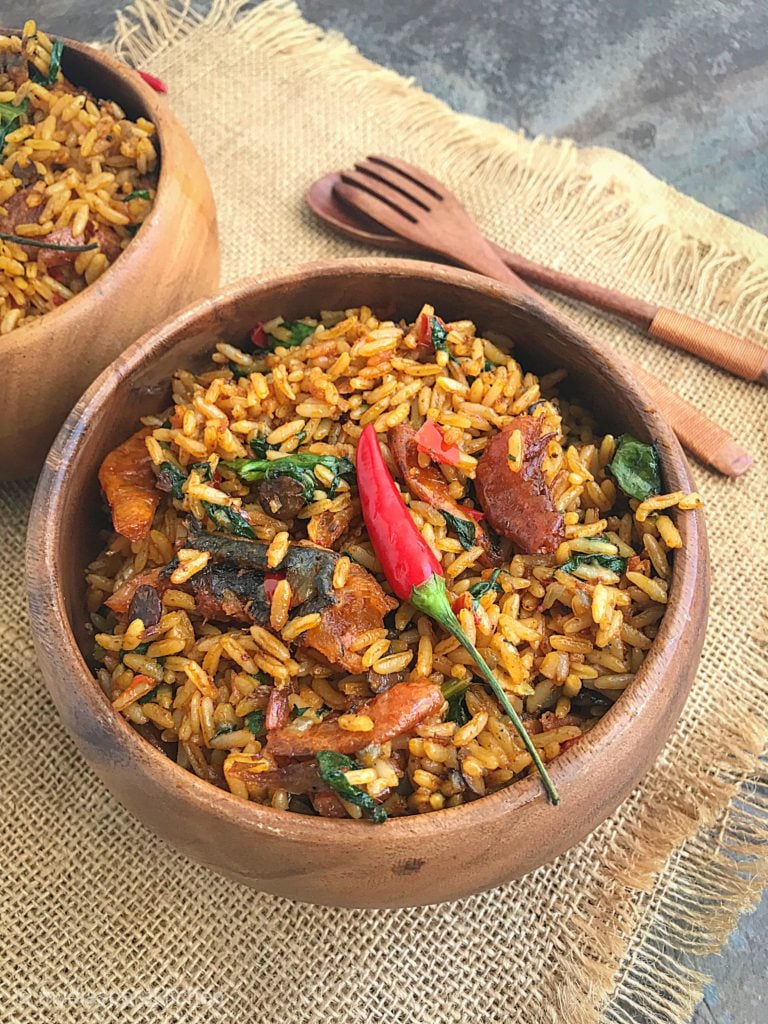
Native Jollof Rice Iwuk Edesi
Ingredients
Method
- Wash the rice thoroughly and soak for 10-15 minutes, then drain.
- Blend tomatoes, red bell peppers, onions (reserve some onions for garnishing), and scotch bonnet peppers into a smooth mixture.
- Heat palm oil in a large pot over medium heat until hot but not smoking.
- Add the blended tomato mixture to the pot and fry for 10-15 minutes, stirring occasionally until the sauce reduces and thickens.
- Add seasoning cubes, ground crayfish, thyme, bay leaves, and salt to taste. Stir well.
- Add the rice to the pot and mix thoroughly to coat the rice with the tomato sauce.
- Pour in the water or stock, stir, and bring to a boil.
- Reduce the heat to low, cover the pot tightly, and let it cook for 20-25 minutes or until the rice is tender and liquid is absorbed.
- Turn off the heat and let the rice steam for another 5 minutes before fluffing with a fork.
- Garnish with chopped onions, sliced boiled eggs, and fried plantains if desired.
- Serve hot as a main dish or with your choice of protein.