The Baked Creme Brulee Donut is a masterpiece of fusion baking, a delightful marriage between the classic French custard dessert and the beloved American fried ring. This recipe takes the best elements of both—the crackling, caramelized sugar crust of a crème brûlée and the soft, pillowy texture of a baked donut—to create a treat that is both sophisticated and comforting. Unlike their deep-fried counterparts, these donuts are baked, resulting in a lighter texture that perfectly complements the rich, vanilla-flecked pastry cream filling.
The Anatomy of a Perfect Creme Brulee Donut
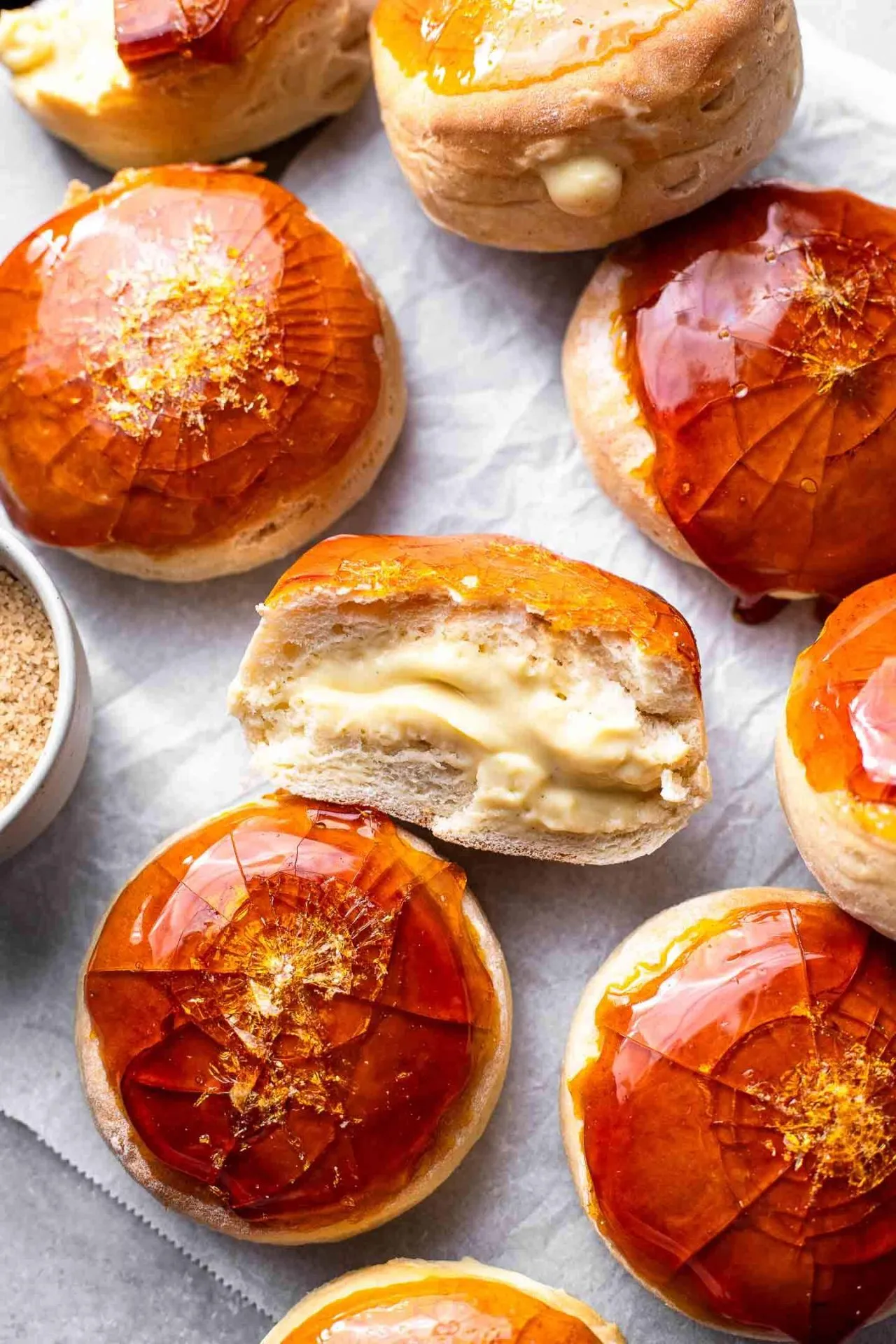
To truly appreciate this dessert, one must understand its three distinct, yet harmonious, components: the **baked yeast donut**, the **silky pastry cream (crème pâtissière)**, and the **signature caramelized sugar crust**. Each layer plays a crucial role in delivering the complex flavor and texture profile that makes this donut so irresistible.

# The Baked Donut Base: Lightness and Fluff
Traditional donuts are fried, which gives them their characteristic crisp exterior and dense, chewy interior. However, for the crème brûlée variation, a **baked yeast dough** is preferred. Baking provides a lighter, more cake-like crumb that is better suited to hold the delicate pastry cream without becoming overly heavy. The yeast is essential for achieving that signature fluffy texture and a subtle, yeasty flavor that balances the sweetness of the filling and topping.
The key to a successful baked donut lies in the dough’s hydration and the proofing process. A slightly sticky, well-kneaded dough, followed by two slow, patient rises, ensures maximum airiness. The first rise develops the flavor, and the second rise, after the donuts are cut, ensures they are puffy and light before they even hit the oven. Baking at a moderate temperature prevents them from drying out while achieving a beautiful, golden-brown color.
# The Heart of the Dessert: Vanilla Bean Pastry Cream
The filling is where the “crème brûlée” truly comes to life. **Crème pâtissière**, or pastry cream, is a thick, rich custard made from milk, eggs, sugar, and a starch thickener like cornstarch or flour. For an authentic crème brûlée flavor, the custard must be heavily infused with **vanilla bean**. Using vanilla bean paste or a whole scraped vanilla bean will introduce those tiny, beautiful black specks and a depth of flavor that vanilla extract alone cannot match.

The process of making pastry cream requires careful tempering of the egg yolks with the hot milk to prevent scrambling, followed by a vigorous whisking over heat until the mixture thickens to a pudding-like consistency. Once cooled, the cream becomes firm enough to pipe into the baked donuts, providing a cool, smooth contrast to the warm, crunchy topping. The texture should be velvety smooth, without any lumps, making it a luxurious surprise inside the soft donut.
# The Grand Finale: The Brûlée Crust
The most dramatic and defining feature of the crème brûlée is its **hard, caramelized sugar crust**. This is achieved by sprinkling a layer of granulated sugar over the filled donut and then rapidly melting and caramelizing it with a kitchen torch. The intense heat transforms the sugar into a brittle, amber shell.
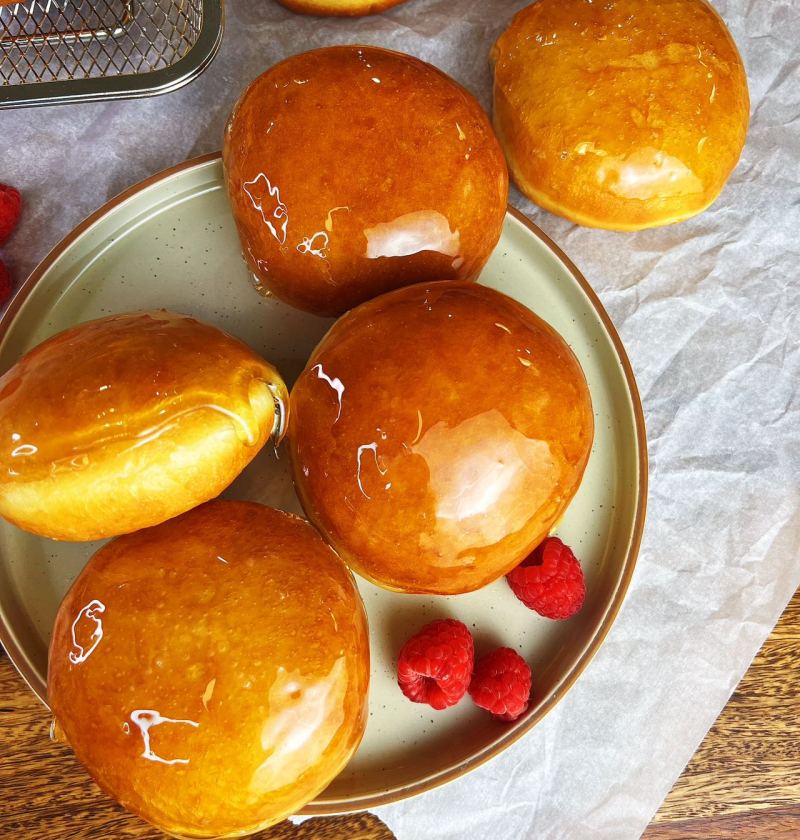
The satisfying *crack* when you break through the crust is what elevates this dessert from a simple filled donut to a culinary experience. The slight bitterness of the caramelized sugar provides a necessary counterpoint to the sweetness of the donut and the richness of the custard. This step must be done just before serving to ensure the crust remains crisp. If done too early, the moisture from the pastry cream will soften the sugar, losing the signature *brûlée* effect.
A Step-by-Step Guide to Baking Perfection
Achieving the perfect Baked Creme Brulee Donut requires attention to detail in each stage. While the overall process is manageable, patience during the dough rising and custard cooling phases is paramount.
# **Phase 1: Mastering the Dough**
The quality of your final donut hinges on the dough. Using **active dry yeast** ensures a good rise. The milk should be warm, but not hot (ideally between 105°F and 115°F), to activate the yeast without killing it. The addition of both a whole egg and an extra yolk contributes to a richer, more tender crumb.
Kneading is critical. You are aiming for a smooth, elastic dough that passes the “windowpane test”—meaning you can stretch a small piece thin enough to see light through it without tearing. This indicates that the gluten has been properly developed. The first rise should be in a warm, draft-free environment. If your kitchen is cool, placing the bowl in a slightly warmed, turned-off oven can speed up the process.
# **Phase 2: The Silky Custard**
The pastry cream can and should be made ahead of time. It needs several hours to chill and set properly. The secret to a lump-free custard is to whisk the egg yolk, sugar, and cornstarch mixture until it is pale and ribbon-like before adding the hot milk. This process, known as **tempering**, gradually raises the temperature of the yolks, preventing them from curdling when they are added back to the saucepan.
Once the custard is cooked and has thickened, it must be strained through a fine-mesh sieve to catch any potential lumps. Stirring in the butter at the end adds richness and a beautiful sheen. Cover the surface of the custard directly with plastic wrap—this is crucial to prevent a skin from forming as it cools.
# **Phase 3: Assembly and Brûlée**
Once the donuts are baked and cooled, and the pastry cream is chilled, it’s time for assembly. The easiest way to fill the donuts is using a **piping bag fitted with a long, thin pastry tip**. Insert the tip into the side of the donut and gently squeeze until the donut feels heavy and slightly plump.
The final step is the brûlée. Dip the top of the filled donut into a shallow dish of granulated sugar, ensuring an even coating. Then, use a kitchen torch to caramelize the sugar. Hold the torch a few inches away and move it constantly in a circular motion until the sugar melts and turns a deep, glossy amber. Safety is paramount when using a kitchen torch; ensure you are working on a heat-safe surface.
Why Baked is Better: A Healthier Indulgence
While fried donuts hold a special place in the world of comfort food, the baked version offers several advantages, particularly when paired with a rich filling like crème brûlée.
| Feature | Baked Donut | Fried Donut |
| :— | :— | :— |
| Texture | Soft, pillowy, cake-like crumb | Dense, chewy, with a crisp exterior |
| Oil Content | Minimal (only what is in the dough) | High (absorbs oil during frying) |
| Flavor Profile | Clean, allowing the vanilla and custard to shine | Often has a distinct, sometimes heavy, oil flavor |
| Preparation | Less messy, no hot oil to manage | Requires careful temperature control of oil |
The reduced fat content from baking means you can indulge in the rich pastry cream and caramelized sugar without the heaviness of a fried dough. This makes the Baked Creme Brulee Donut a more balanced and enjoyable dessert experience.
Recipe Data Structure for WPRM
This section outlines the structured data for the WP Recipe Maker plugin, ensuring all required fields are populated for a seamless integration into the WordPress post.
RECIPE_DATA
* Title: Baked Creme Brulee Donuts
* Servings: 12 donuts
* Prep Time: 3 hours (includes rising time)
* Cook Time: 15 minutes
* Ingredients:
* For the Baked Donuts: 1 cup warm milk (105-115°F), 2 1/4 teaspoons active dry yeast, 1/4 cup granulated sugar, 1 large egg, plus 1 egg yolk, 1/4 cup unsalted butter, melted, 1 teaspoon vanilla extract, 3 cups all-purpose flour, plus more for dusting, 1/2 teaspoon salt.
* For the Pastry Cream Filling: 1 1/2 cups whole milk, 1/2 cup granulated sugar, 1/4 cup cornstarch, 3 large egg yolks, 1 teaspoon vanilla bean paste or extract, 2 tablespoons unsalted butter, cut into pieces.
* For the Brûlée Topping: 1/2 cup granulated sugar (for torching).
* Instructions:
* Prepare the Dough: Combine warm milk, yeast, and a pinch of sugar; let stand until foamy. Whisk in remaining sugar, egg, yolk, melted butter, and vanilla. Gradually add flour and salt, mixing until a shaggy dough forms. Knead for 5-7 minutes until smooth. Place in an oiled bowl, cover, and let rise for 1.5 to 2 hours.
* Bake the Donuts: Punch down dough and roll to 1/2-inch thickness. Cut out 12 donuts. Place on a parchment-lined sheet, cover, and let rise for 30-45 minutes. Preheat oven to 350°F (175°C). Bake for 10-12 minutes. Let cool completely.
* Make the Pastry Cream: Heat milk until simmering. Whisk sugar, cornstarch, and egg yolks in a separate bowl. Temper the egg mixture with hot milk, then return to saucepan and cook until thick. Strain, stir in vanilla and butter. Cover surface directly with plastic wrap and chill for at least 4 hours.
* Assembly and Brûlée: Fill cooled donuts with chilled pastry cream using a piping bag. Dip the top of each filled donut into granulated sugar. Use a kitchen torch to caramelize the sugar until a hard, amber crust forms. Serve immediately.
Tips and Troubleshooting for Success
Even experienced bakers can run into snags. Here are a few tips to ensure your **Baked Creme Brulee Donuts** turn out perfectly every time.
# **Dough Not Rising?**
If your dough isn’t rising, the most common culprit is the yeast. Ensure your milk is the correct temperature (105°F to 115°F). If it’s too cold, the yeast won’t activate; if it’s too hot, it will die. Also, check the expiration date on your yeast. A warm, draft-free environment is essential for proofing.
# **Lumpy Pastry Cream?**
Lumps in pastry cream usually occur when the egg mixture is not properly tempered or not whisked vigorously enough while cooking. **Always strain the finished custard** through a fine-mesh sieve before chilling. This simple step will guarantee a perfectly smooth, silky texture.
# **Soggy Brûlée Crust?**
The crust must be torched **immediately before serving**. The moisture from the chilled pastry cream will quickly dissolve the caramelized sugar, turning it sticky and soft. If you need to prepare the donuts ahead of time, you can fill them and keep them chilled, but only add the sugar and torch them right before they are presented.
The Cultural Significance of Crème Brûlée
The crème brûlée itself has a rich history, with claims of origin from France, England, and Spain. The French term translates to “burnt cream,” a nod to the caramelized sugar topping. Its elegance has made it a staple in fine dining, and its transition into a donut filling is a testament to the dessert’s versatility and enduring appeal.
This fusion dessert is more than just a sweet treat; it represents the modern culinary trend of blending classic techniques with contemporary forms. It allows home bakers to showcase a high level of skill—from yeast dough management to custard making and torch work—all in one impressive, handheld package. The Baked Creme Brulee Donut is a showstopper, perfect for brunches, special occasions, or simply an elevated weekend indulgence.
Conclusion: A Dessert That Cracks the Code
The **Baked Creme Brulee Donut** is a triumph of texture and flavor. It offers the soft, comforting bite of a baked good, the cool, creamy luxury of a vanilla custard, and the dramatic, satisfying crunch of a caramelized sugar shell. By following the detailed steps for the dough, the pastry cream, and the crucial brûlée finish, you can recreate this bakery-quality dessert in your own kitchen. It is a recipe that promises to impress and delight, proving that sometimes, the best desserts are those that dare to combine two classics into one unforgettable experience.
References
[1] The History of Crème Brûlée – A look into the origins of the classic French dessert.
[2] Yeast Dough Fundamentals – Understanding the science of proofing and kneading for light, airy baked goods.
[3] Crème Pâtissière Techniques – Essential tips for making a smooth, lump-free pastry cream.
[4] Kitchen Torch Safety and Usage – Best practices for caramelizing sugar safely and effectively.
Baked Creme Brulee Donuts
Ingredients
Method
-
Combine warm milk, yeast, and a pinch of sugar; let stand until foamy.
-
Whisk in remaining sugar, egg, yolk, melted butter, and vanilla.
-
Gradually add flour and salt, mixing until a shaggy dough forms.
-
Knead for 5-7 minutes until smooth.
-
Place in an oiled bowl, cover, and let rise for 1.5 to 2 hours.
-
Punch down dough and roll to 1/2-inch thickness.
-
Cut out 12 donuts.
-
Place on a parchment-lined sheet, cover, and let rise for 30-45 minutes.
-
Preheat oven to 350°F (175°C).
-
Bake for 10-12 minutes.
-
Let cool completely.
-
Heat milk until simmering.
-
Whisk sugar, cornstarch, and egg yolks in a separate bowl.
-
Temper the egg mixture with hot milk, then return to saucepan and cook until thick.
-
Strain, stir in vanilla and butter.
-
Cover surface directly with plastic wrap and chill for at least 4 hours.
-
Fill cooled donuts with chilled pastry cream using a piping bag.
-
Dip the top of each filled donut into granulated sugar.
-
Use a kitchen torch to caramelize the sugar until a hard, amber crust forms.
-
Serve immediately.